CITIZEN scientists are needed to help collect bird feathers in wetlands so regular scientists can build a “feather map” and figure out where birds are and how they’re coping with reduced river flows, flooding, drought, climate change and different land uses.
Waterbird expert Kate Brandis is heading up the project and says Perth’s great lakes are key waterbird sites, making them vital for the feather map.
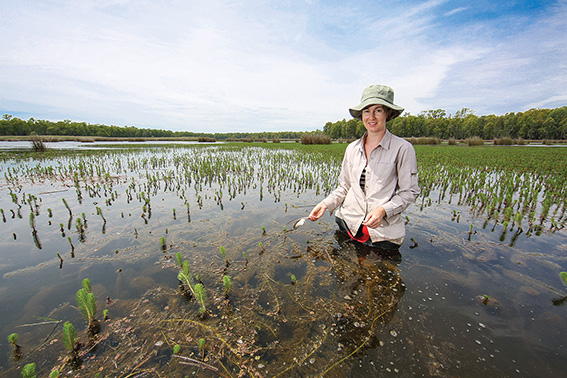
The feather holds secrets about the bird’s diet and environmental conditions it’s been living in, like a “memory chip of where the bird’s been” that can be revealed through nuclear testing techniques: “The more feathers we have from diverse geographic areas, the more complete our feather map, and the clearer the picture of Australian waterbird health will be,” Dr Brandis says.
Inland wetlands are a big deal for waterbirds, providing their habitat for breeding, roosting and feeding, and if there aren’t flooded wetlands around the birds just won’t breed.
Along with giving an idea of what the birds are eating and the health of their wetlands, this research could answer whether birds practice “natal site fidelity”, meaning they go back to their birthplace to breed like salmon.
Head to www.feathermap.ansto.gov.au if you want to get your hands dirty and be a feather collector (although guidelines suggest you should probably wear gloves, and another tip is you shouldn’t take feathers from living birds, just to be crystal clear).
by DAVID BELL

 Perth Voice Interactive
Leave a comment