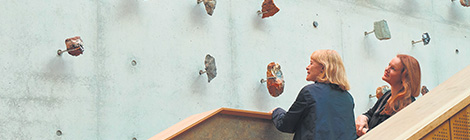
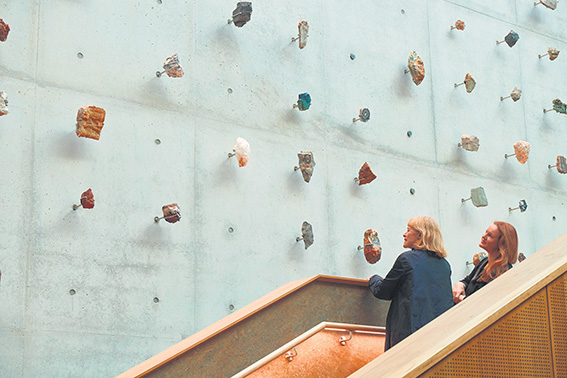
PUBLIC art advocate Helen Curtis has called on Stirling council not to halt its ‘percent for art’ provision that requires developers to contribute to public artworks.
Stirling council’s policy came into effect in January 2023. It applies to big developments worth more than $2 million and requires developers set aside 1 per cent of the overall cost for public art to beautify the site, similar to policies from many other councils.
At the August 1 council meeting mayor Mark Irwin proposed they halt the policy for one year and review whether to keep it at all (‘Not a pretty picture’, Voice, August 12, 2023). Other developer contribution requirements like cash to improve adjacent rights-of-way or for public open space may also be paused for review.
Market conditions
Mr Irwin’s written reasons stated: “The current market conditions have resulted in a number of developments being placed on hold or cancelled as they are no longer feasible to construct.
“This is making the delivery of housing and other development in the City increasingly difficult.”
Ms Curtis is director of Apparatus, a public art project management company that’s consulted on many public art projects and policies including at Stirling.
Based on projects around the rest of Perth, Ms Curtis doesn’t think art contributions are standing in the way of development.
“It is unclear where the concern is,” Ms Curtis says. “Is it the market conditions that are holding up the development or is it the percent for art policy?
“My understanding is that the City of Stirling’s percent for art policy was adopted in January this year and they have not yet had the opportunity to test the policy. I don’t think it’s possible their policy is holding up any developments from proceeding.
“The City of Stirling is not an island; it’s operating in the same market as the rest of Perth metro and the development market in Perth is robust and healthy. I can cite numerous developments that are happening right now in areas where planning authorities have public art conditions – I can’t see any evidence that percent for art is hindering development.
“Percent for art policies in local government have been operating successfully for decades; it’s not a new thing for anyone working in the building and construction sector.”
Ms Curtis says “percent for art may feel like an unfair tax on developers on commencement, but when it is done well it’s beneficial to developers,” helping build a recognisable brand and promote the project.
That’s on top of the secondary benefits to the broader economy: “An investment in public art employs WA artists, which is awesome and there’s deep research about that benefit.
“Then there’s spend that goes towards specialist documenters, fabricators, installers, photographers and often between the artists and the fabricators they’re finding new ways to use materials, new fabrication techniques. They’re innovating, and so [the benefit] goes on.”
Ms Curtis says from what she’s seen Stirling has everything it needs to get good quality artworks out of their policy: “The staff at Stirling who work in the arts area are excellent. They’re experienced specialists who know what they’re doing.
“I think this motion is potentially obstructing what could be incredibly beneficial for developers, and the community.
“Maybe give the policy 24 months run and then evaluate how beneficial or not it is.”
For their part, Stirling’s staff have suggested a “review” of developer contribution requirements.
by DAVID BELL

 Perth Voice Interactive
Leave a comment