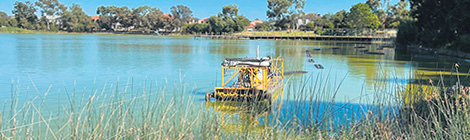
“PRISONERS in our home” – a midge plague around the Maylands peninsula lakes has residents unable to step outside without being swarmed by countless insects.
Some are refusing to pay their rates in full until Bayswater council deals with the pests.
Several residents grew emotional at the December 5 council briefing as they described the millions of midges impacting life around the Brearley, Bungana and Brickworks Lakes.
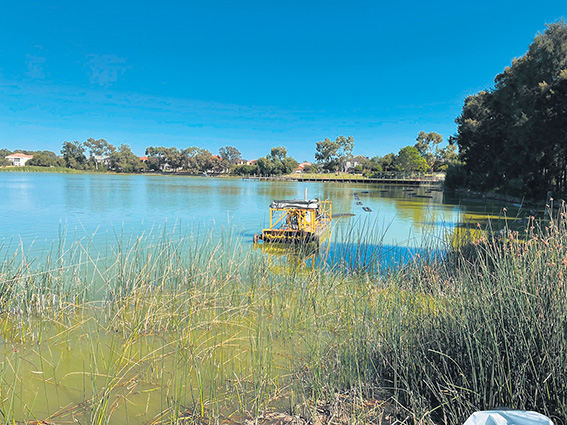
The three artificial ponds have been hotspots for algae, bacteria, and insects since they were created out of old brickworks claypits in the late 1990s as part of the Satterley Peninsula Estate Development.
Resident Nick Lange said his wife walks the dogs and comes back “covered in midges… through her hair, on her face, on her clothes; she’s breathing in midges”.
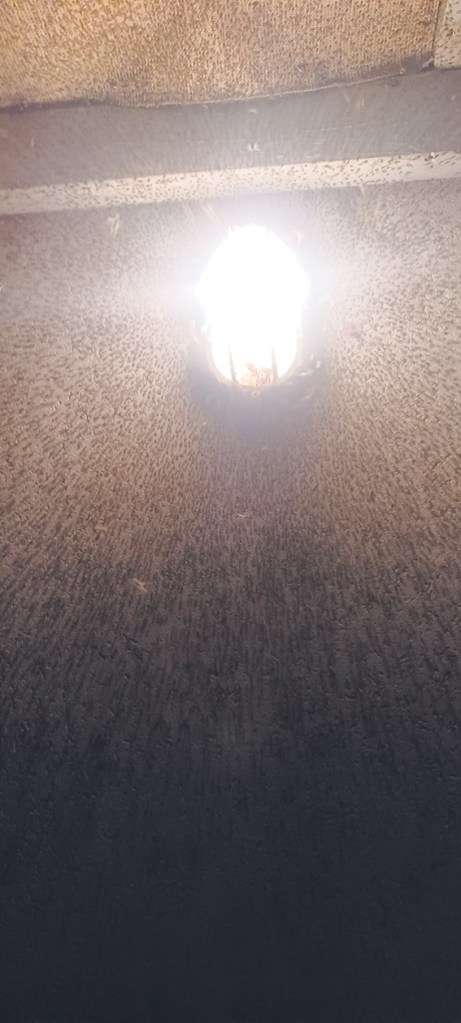
Unusable swimming pools are covered in a thick “blanket” of insects, while Mr Lange’s says his garage is so infested that the usually inaudible bugs can be heard swarming.
“We’re still expected to be paying our rates. We keep receiving overdue rates bills; there’s a few of us who have refused to pay 50 per cent of our rates… I think it’s extremely unfair that we should be paying our rates when we cannot use our amenities throughout the year.”
Resident Steven Cloughley said he’d sent “hundreds” of emails to Bayswater council over the 12 years he’s lived near the lakes.
“We’ve spent at least $13,000 just replacing pool filters” clogged by midges, he said, “replacing blinds, replacing outdoor furniture. Having friends over, we have to lock ourselves in the house because we just can’t go outside and enjoy it.”
Mr Cloughley acknowledged Bayswater council had tried various strategies, but nothing had worked and he proposed they needed to bring in upper levels of government to assist.
“When you can’t sell your family home and realise its value, and your kids can’t use their backyard, there is a serious problem,” Mr Cloughley said.
On top of the joy-ruining impact of the midges, residents are growing increasingly concerned about the health impacts of the toxic cyanobacteria infesting the lakes.
Bacteria
Resident Craig Ashton said “most of the community are unaware of the significant hazard as cyanobacteria levels in the lake are between 140 and 240 times greater than the Department of Health’s guidelines”.
Those guidelines are for “active” uses of water like swimming, and Bayswater staff point out the lakes are passive use only. But residents argue that in high winds people close to the lake are exposed to foam spray just the same, and the fountains have to be turned off during the worst outbreaks to avoid spreading it across the surrounding area.
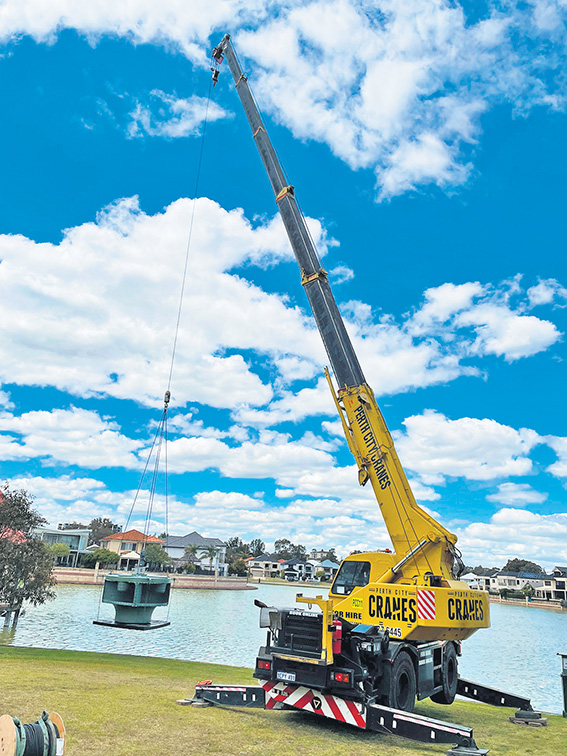
So far Bayswater’s spent nine years and some $2 million trying to fix the lakes, from planting more sedges, throwing in blocks of clay to soak up excess phosphorous, to partially dredging Lake Bungana’s bottom to scrape up some of the nutrients that feed algae.
Mayor Filomena Piffaretti said at the December 12 meeting: “This is an issue that keeps me up at night. I really, really want to find a solution for the residents and improve your way of life.”
Ms Piffaretti said she’d had emails, phone calls, and even residents stopping her in the street about the lakes. “This is a very high priority for me… this is one of the top priorities that we need to work on as a council team.”
With no solution so far, the council has now endorsed putting together a scientific advisory panel to come up with a masterplan, the first concerted effort to fix the problem rather than the piecemeal attempts of the past.
Councillors Elli Petersen-Pik and Nat Latter, who represent the south ward area covering the lakes, prepared a joint amendment for the December 12 meeting calling for the masterplan to be a matter of urgency and to be back in front of council by April 2024.
by DAVID BELL
 Perth Voice Interactive
Leave a comment