
THE dreaded polyphagous shot-hole borer has been found in Kings Park, dangerously close to rare and endangered flora in the WA Botanic Garden collection.
The beetles ravage the insides of trees by boring a network of tunnels that they use to grow fungi for food. This can eventually kill the tree as the fungus blocks the flow of water and nutrients.
They attack a wide range of trees but are especially prone to go after many of the introduced ornamental species planted around Perth like the London Plane, Moreton Bay fig and Port Jackson fig.

The common box elder maple has also been identified as a “highly susceptible reproductive host”, dying within two years of infestation and leading to the borer’s population exploding into surrounding areas.
They were spotted in Dalgety Street in East Fremantle in 2021 by an inquisitive gardener, wondering why her mature trees were dying (‘Deadly borer found in East Fremantle’, Fremantle Herald).
The infected Kings Park trees are located in Mounts Bay Gardens beneath the Mount Eliza Escarpment.
The Botanic Gardens and Parks Authority announced a score of Moreton Bay figs, Port Jackon Figs and Coral Trees have “significant signs of PSHB infestation” since confirmed with molecular testing.

They have to be removed to prevent them becoming a new launching pad for the beetles to spread.
It’s a particularly crucial culling given “the Mounts Bay Road location of the trees is in close proximity to the Western Australian Botanic Garden and the many rare and endangered flora protected in its collection,” according to the BGPA.
The Mounts Bay Garden area is known to Noongars as Goonininup, and it’s a significant site of a freshwater spring and considered a home to the Rainbow Serpent, the Waugal.
The BGPA announced it’ll consult with Noongar elders on healing the area, with a focus on planting local flora species both to reflect the cultural history and because “local flora species are much more resilient to threats as well as vital habitat and food for our native animals and birds”.
There are no effective chemical treatments for stopping the borer, and the race to find a cure has been marked by disappointment so far.
South Africa, which also has many Plane and fig trees, has been dealing with an invasion of the borers for six years and has tried many remedies.
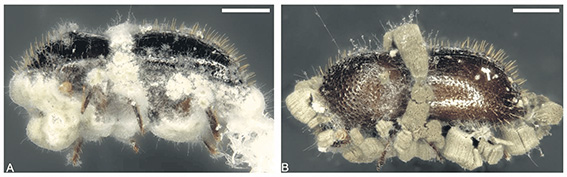
They recently hoped that a borer-killing fungus might help control the beetles: A study showed they could be infected by a fungal strain that would overtake their bodies and kill them within a week of infection.
But it didn’t work out in the field: They just bore too deep to be effectively targeted, and the predator strain of fungus is too fragile to survive for long outside a lab.
by DAVID BELL
 Perth Voice Interactive
Leave a comment