
A $925 MILLION domestic violence package in last week’s federal Budget is “weak” and “tokenistic” says one of the organisers of last month’s rally in Perth.
The Albanese government’s five-year Leaving Violence Programme, is designed to help people leave abusive relationships and to provide support for up to 12 weeks, including $5000 in cash and pre-paid goods and services.
Anguish
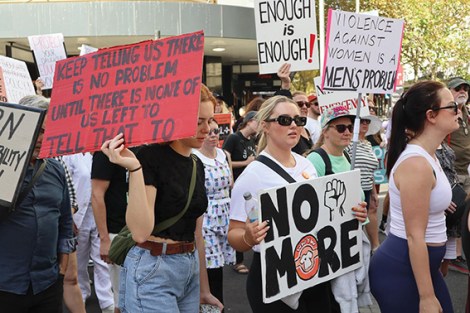
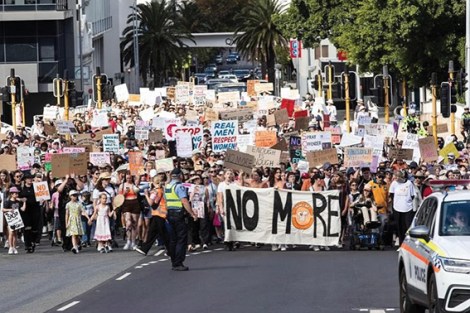
Frances Cheffins was one of the organisers of the What You Were Wearing protest, which attracted thousands to Forrest Place on April 28 as part of a national movement sparked by a dramatic increase in the number of women killed by men known to them.
Ms Cheffins, says the crowd was filled with “anguish, hurt, and desperation”, alongside a sense of “unity and strength in numbers”.
“Emotions were high, people were hurt, and a collective desperation was ever-present.” Cheffins says.
Demonstors called for authorities to acknowledge gender violence as a national emergency.
But Ms Cheffins says the Budget measures fall way short.
“$925 million doesn’t even meet half of the national requirement for funding,” she said.
“The government just throwing money at these concepts is sot close to enough.”
Ms Cheffins says providing immediate services for domestic violence survivors is crucial, but how gender-based violence is viewed and responded to has to be rethought.
“Acknowledgement and legitimisation of all kinds of gender-based violence must occur in the justice system, education curricula, and service accessibility,” she said.
Domestic violence had claimed the lives of 28 women in Australia this year to April.
The Australian Institute of Criminology reports a rise of almost 30 per cent in the number of women killed by intimate partners in Australia between 2022 and 2023.
Former assessor of criminal injuries compensation Robert Guthrie says a “growing claims consciousness” had led to an increase in domestic violence applications.
Additionally, he noted a rise in the severity of injuries among the increasing number of women seeking compensation.
Dr Guthrie describes it as an “iceberg situation”.
“Those women that have been killed [are] the growing group at the top who’ve suffered the worst kinds of domestic violence, but there is this huge mountain of violence which is occurring, and a lot of it that we don’t see so much in the courts is around coercive control issues, which are very, very difficult to uncover.”
Compensation for victims of domestic violence is one of the last steps in a long process, and survivors of domestic violence require financial assistance much sooner, Dr Guthrie says.
“The women have been to the police, have been through court, and they’ve come to us to get compensation for their injuries, but [it was a] long time before that their troubles are beginning.”
Education
Dr Guthrie says funding towards education in schools, men’s groups for behavioural change, and the prevention of violence against women being shown on the internet and in pornography is the right direction.
Ms Cheffins agrees: “Effective investment into behavioural change programs, early intervention strategies, affirmative consent education, and avenues alike must occur.”
by AIMEE HAFFORD
 Perth Voice Interactive
Leave a comment