
A PSYCHIATRIST who has worked with people aged 13-25 for over 35 years says if a proposed social media ban is going to adequately protect young people, it should be extended to when they are 25 years old.
Prime minister Anthony Albanese has indicated he’ll have the legislation up by the end of the year, yet Sandy Seton-Browne says it doesn’t go far enough.
“There is a theory of change that we should deny anyone access to social media before they are 16,” Dr Seton-Browne said.
“If you really want to do something about it you should not let anyone under the age of 25 use it as they haven’t got developed brains.”
Dr Seton-Brown said his position was reflected in the negative impacts social media has on people with low self-esteem, pre-existing trauma and mental illness.
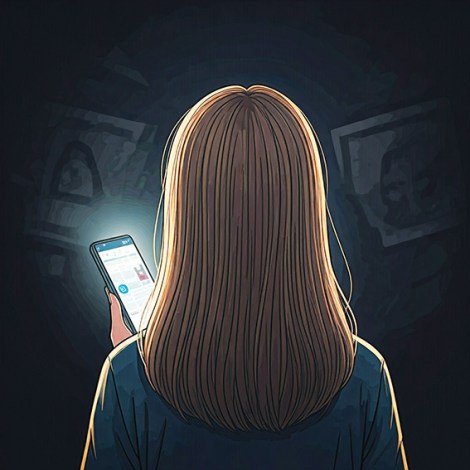
Impulse
“The evidence is starting to add up that social media affects our emotional learning, impulse control and regulation of our emotional behaviours. Your brain gets confused by the fact that you are being social but there’s none of the positive effects.
“You’ve got a brain that is supposed to be developing, a brain that is designed to develop in a social context, and what it’s getting exposed to is all sorts of stuff on social media rather than sitting around being bored with your mates.”
Dr Seton-Browne acknowledged the unlikelihood of banning social media for those under the age of 25, yet he believes there are other steps society can take to reduce social media’s potential to harm.
The first is to have “uncomfortable conversations” about the nature of these platforms and their operators.
“Elon Musk has a fortune and he’s just let this monster loose,” he warns.
“The simplest solution that we increase the age you’re allowed to access stuff is not going to do it, you actually have to look not at the user end but at the production end,” Dr Seton-Browne said.
He says not all social media is negative, citing its ability to foster necessary communities for marginalised groups as one of the major benefits of these platforms.
“If you’ve got a good network of friends who meet up regularly and you’re using social media to keep in touch and plan what you’re going to do then you’ve not got a problem,” Dr Seton-Browne said.
Yet the growing presence of AI on these platforms is a factor that does concern Dr Seton-Browne.
“If you are a young person who is not sure of their identity and is on social media, one of the problems if you say have anorexia and you go looking on there, you’ll get fed by the AI algorithms lots of stuff on eating disorders.”
Dr Seton-Browne primarily focused on content posted on the platform X, which uses AI algorithms to circulate misinformation and adult content.
This adult content consists of racism, hate speech and violence, which Dr Seton-Browne says, “is more pornographic to me than most porn”.
He attributes this to the difference between what is acceptable online and what is acceptable in the real world.
“Something that you do in public that would get you locked up, it’s alright to do just because you’re hiding behind anonymity.
“You need to educate parents to do a proper job with it, to reserve the right to look at their kids’ phones,” he said.
Swanbourne Primary School principal David Knox agrees.
“Young minds aren’t equipped to deal with the level of toxicity that pervades these sites and allowing your child to be exposed to this environment is damaging to their social and emotional development,” Mr Knox said in a newsletter to the parents of children attending Swanbourne Primary.
“Despite the politicians now jumping on board, it will all be for nothing if parents don’t do their job, hold their line, and disallow their children from social media sites.
“It’s not a bad thing to tell your children ‘No’ – it’s a word they need to hear, to understand and adhere to.”
by TOBY CANN
 Perth Voice Interactive
Leave a comment