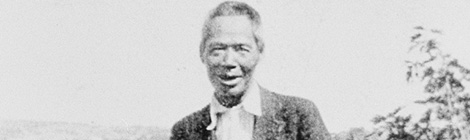
THE rich and rarely heard history of Chinese people in WA is being uncovered as part of a massive research project being run at UWA.
Community members are being called on to come forward with their own stories, photos, and recordings for the collection.
The Two Centuries of Chinese Heritage in WA project was funded by the National Foundation for Australia-China Relations with an aim to better tell these oft-forgotten stories.
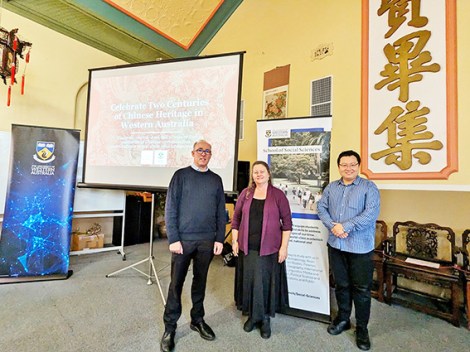
It’s based on foundational research conducted by historian Anne Atkinson, who collected nearly 10,000 pages of notes, photos, and articles during the 1980s and 1990s. They’ve now been digitised and are publicly available for perusal, and the researchers hope more stories and documents keep coming in to continue building the archive, and a podcast is soon to launch to highlight individual lives.
Project officer Lucy Hair says the history of Chinese people in WA goes back far further than most people realise. A Chinese man named Chow Moon (sometimes recorded as Moon Chow, Johnny Chow, or “Chau”) arrived in Fremantle in 1830, and as a carpenter he likely worked on some of the foundational buildings of the early colony.
Ms Hair says there’s many common misconceptions about the role Chinese people played in WA in the 1800s and 1900s.
“Many people think of Chinese people [working] in the goldfields,” she says. “But that’s typically the eastern states, not the goldfields here, because we had all the horrible restrictions keeping them out of the goldfields here.”
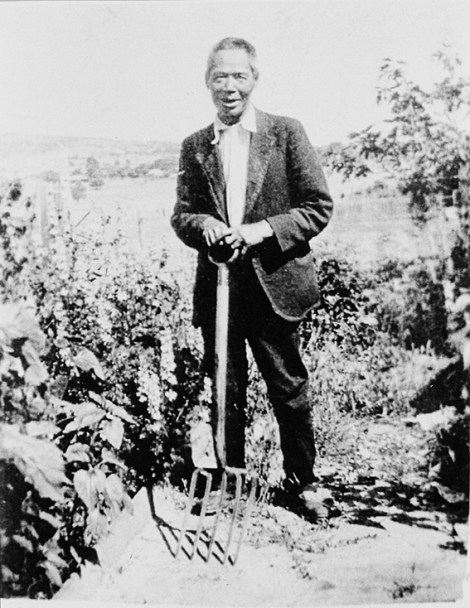
Many of the prominent professions worked by Chinese people were not due to choice or affinity, but government restrictions. Xenophobia and fear of competition led to Chinese people being banned from working in certain industries, at times leaving them few options aside from working in market gardens, laundries, domestic service, agriculture, or furniture-building.
“There’s more than a dozen pieces of legislation that were enacted in the 1800s and 1900s that specifically restricted Chinese people,” Ms Hair says.
Despite the restrictions, many thrived. “The stories are really unique.” Ms Hair says. “I think there’s a lot of tales of resilience.”
One effect of the strict government policies on entering Australia at the time is the large number of records that were left: Entry documents, photographs both frontal view and profile, and ink handprints on documents remain to tell their stories.
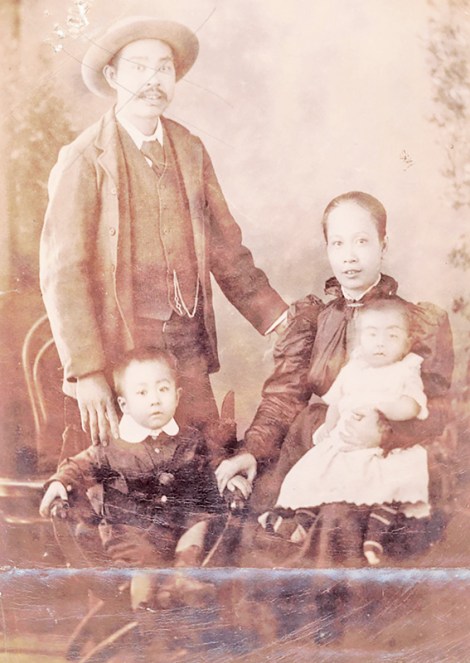
“It’s bittersweet,” Ms Hair says. “While it’s harrowing, the level of detail that these people were examined in, it’s a really rich set of records to work from.”
While the database has many official records, the next step is to gather more personal tales. “A lot of our research is done from records,” Ms Hair says. “I’m very much hoping for family contributions.”
The podcast series starts December 5, keep an http://www.chinesewa.net for episodes, and the collection of images and documents is at collected.uwa.edu.au/nodes/view/36653 for public viewing. If you have any stories to contribute, contact the researchers at ChineseWA@uwa.edu.au
by DAVID BELL
 Perth Voice Interactive
Leave a comment