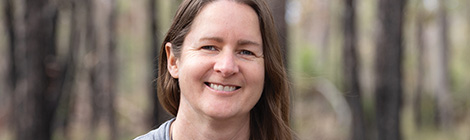
UNIVERSITY of WA adjunct research fellow Christine Groom is calling on everyone from urban planners to home gardeners to make the suburbs more friendly for under-threat Carnaby’s Cockatoos.
Historical clearing of native vegetation has decimated their natural habitat, so the suburbs are now a vital lifeline for the endemic WA species.
Dr Groom says any planning, landscaping and gardening should consider their key needs – foraging, drinking, roosting, breeding and commuting.

“Planting species that Carnaby’s cockatoos use for food is the easiest way to attract them to your garden,” she says.
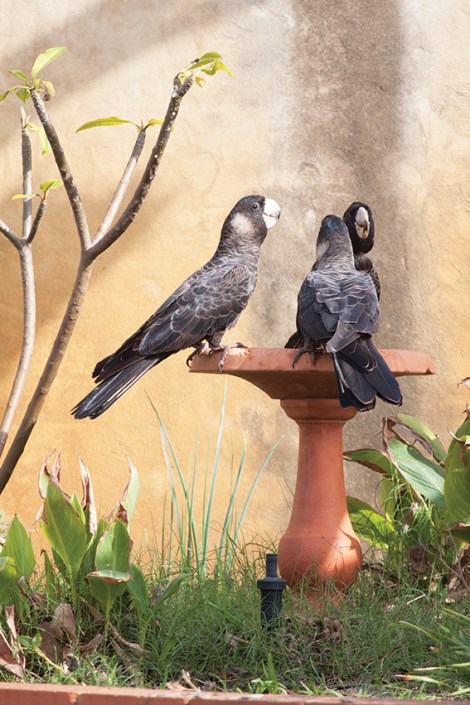
“Native banksias and hakeas are great food sources. You can also plants shrubs like grevilleas and bottlebrushes that have colourful flowers that produce nectar that Carnaby’s cockatoos enjoy as well as attracting a lot of smaller birds too. Installing a bird bath is another great way to attract Carnaby’s cockatoos, especially if you live near a night roost.
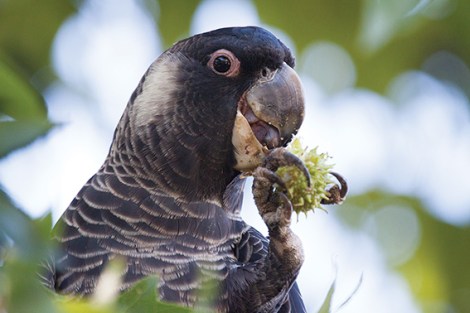
“They like to drink in the evening before roosting communally at night. There’s an important night roost site at Manning Lake which may be familiar to readers.”
Dr Groom says planning, landscaping and gardening with black cockatoos in mind will also create greener, cooler suburbs.
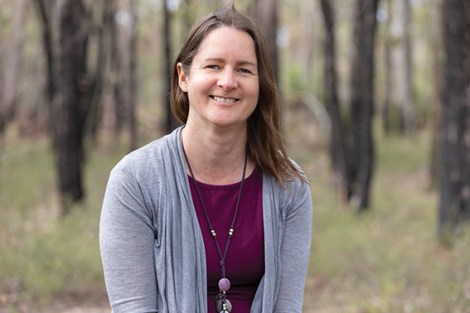
An adjunct research fellow at UWA, she lives in the Perth hills and Carnaby’s cockatoos regularly visit her garden to feed on the banksias and hakeas she planted.
She’s a bit of a cockatoo buff – in 2015 she completed a PhD on Carnaby’s in urban Perth using satellite tracking to follow their daily movements.
“I was surprised at just how many exotic plants that Carnaby’s cockatoo has learnt to feed on,” she says.
“A third of the species I observed them feeding on were species not native to WA. Like many parrots they have curious personalities and will often chew on things around them. I think this has helped them try new foods.
“They are a very adaptable bird and would certainly be even more endangered if they hadn’t learnt to feed on plants found in gardens of urban areas. Their favourite exotic foods include the seeds of liquid amber and tipuana, and also the nuts from macadamia and pecan trees.”
In recent years, infill and sub-dividing have further reduced the habitat available for Carnaby’s Cockatoo.
Dr Groom says urban planners need to ensure green spaces are part of their designs.
“Infill housing results in less space for gardens and mature trees that provide food for Carnaby’s cockatoos,” she says.
“Infill is preferred to continuing urban sprawl but we have to get better at ensuring there is also space for trees and gardens.
“Green spaces are nice places for people too and there are a lot of studies that have shown the value of trees for improved wellbeing, cooling effects and more.”
Dr Groom has combined her two passions – Carnaby’s cockatoos and landscape design – in her new book Creating Black Cockatoo Friendly Suburbs, published by UWA Publishing.
It’s an accessible, easy read that will appeal to the casual nature fan as well as planners, policy makers, scientists, home gardeners and naturalists.
The advice can also be used for other varieties of black cockatoos.
Dr Groom hopes her book will promote urban biodiversity and help ensure the survival of Carnaby’s cockatoos.
For more info see uwap.uwa.edu.au.
 Perth Voice Interactive
Leave a comment