• This has got to be a sick joke

    CAROLYN ORR is a neurologist and clinical researcher who was arrested in 2021 as part of a protest calling for urgent action on climate change. Dr Orr, a Mount Lawley resident, was back protesting on April 17 as part of the “Perth Stops for Climate” protest where she compared fossil fuel companies to the tobacco industry, and she’s offered up her speech for this week’s Speaker’s Corner.

    WELL, here we are at Woodside, Australia’s biggest oil and gas company. 

    It’s a bit like standing at the entrance to Mordor, isn’t it? They really need a big fiery Eye of Sauron on top of the building. 

    They could certainly afford it: They made nearly $8 billion in profit last year destroying our health and our future. 

    And unfortunately that’s no joke. 

    Fossil fuels are the biggest preventable cause of air pollution. 

    We know that 1 in 5 premature deaths worldwide occur because of air pollution, which has been linked to cancer, heart disease, diabetes, osteoporosis, asthma, emphysema, kidney and liver disease, stroke, dementia, low IQ, infertility and miscarriage. 

    When the last coal, oil and gas plant closes down, the average human will gain a year of life. 

    The ill health that comes from fossil fuels is comparable to the ill health that comes from cigarettes, but at least there’s a degree of personal choice when it comes to smoking. 

    Tobacco companies con people into poisoning themselves, but none of us has any choice but to breathe the air that fossil fuel companies like Woodside are poisoning.

    And yet, sickness and death is only a fraction of the harm when it comes to fossil fuels. 

    Fossil fuels are the main source of greenhouse gas emissions, and hence the main cause of climate change, which is driving the unprecedented and unnatural heatwaves, bushfires, floods, droughts and cyclones Australia has been experiencing, and which we know are going to continue to get worse until we end the threat from fossil fuels. 

    World scientists tell us the world has to slash greenhouse gas emissions by half by the end of this decade to avoid the worst of climate impacts. 

    Yet we’re nearly a third of the way though that decade, and worldwide greenhouse gas emissions are still rising.

    Yet fossil fuel companies are behaving just like the tobacco industry. 

    The tobacco industry pretended for decades that cigarettes weren’t harmful, despite knowing that cigarettes kill more than half the people who smoke them. 

    They funded junk science and misinformation about the health harms of smoking, and put ineffective filters on their cigarettes to pretend to people that this would somehow protect them from smoking harm – it didn’t.

    And fossil fuel companies are behaving the same way – they’ve spent decades promoting misinformation that climate change wasn’t real, or that it wasn’t caused by humans. 

    These days, with the evidence all around us of a changing climate and unnatural weather, they can’t get away with denial any more.

    So they’ve switched to delusion – that technologies like carbon capture and storage can allow them to continue business as usual.

    Carbon capture is like filters on cigarettes. 

    It has been around for 50 years and simply doesn’t work at scale. It is however an excuse to keep taking public money, with the annual subsidy to fossil fuel companies like Woodside being about $12 billion a year from Australia.

    Their other fossil fuel company strategy is delay.

    Largely because of their outsize political influence at both state and federal level; although we are finally committed to decarbonisation, we’re going way too slow, and our targets are too low and too weak. Worst of all, we continue to open new gas and oil projects.

    Why? Because each day the fossil fuel industry as a whole makes close to US$3 billion profit. 

    That’s their 30 pieces of silver for selling out the human race. 

    The profit motive has allowed them to ignore six increasingly frantic IPCC reports, the statement from the International Energy Agency that no more fossil fuel projects can be built after 2021 if we hope to keep the world safe, and reports from all over the world of record breaking temperatures and unprecedented weather events. 

    And right now nearly 200 carbon bombs – oil and gas projects so polluting that each will result in at least a billion tonnes of GHG emissions, are being built around the world, including Woodside’s Burrup Hub/Scarborough facility.

    The fossil fuel industry is showing reckless indifference to human suffering in the name of profit. They know that fossil fuels must end; but in pursuit of profit they’re not going to stop until we force them to do so. 

    This industry corrodes our environment, our health, our politics and our society. 

    But we don’t have to give up a safe future to profit these companies, who know they are on the wrong side of both morality and the future. 

    And it will down come to us, the people.  

    If we allow the climate emergency to unfold as it is doing, then as a species everything we have ever done, everything we are, and everything we might yet become will be lost. Our hopes and dreams, our stories, our healing, our arts and our science, our successes and our failures, our aspirations.

    Humanity’s future now depends on the people like us all who cannot close their eyes and will not turn away. 

    So here we are, the people who understand that for evil to triumph, all that is needed is for good people to stay quiet and do nothing. 

    So to Woodside and Chevron, and Santos, and Inpex, and AGL, to Origin, to all the fossil fuel industries, understand that we will never give up, we will never go away, and we will not allow you to destroy our health, our environment, and our future.

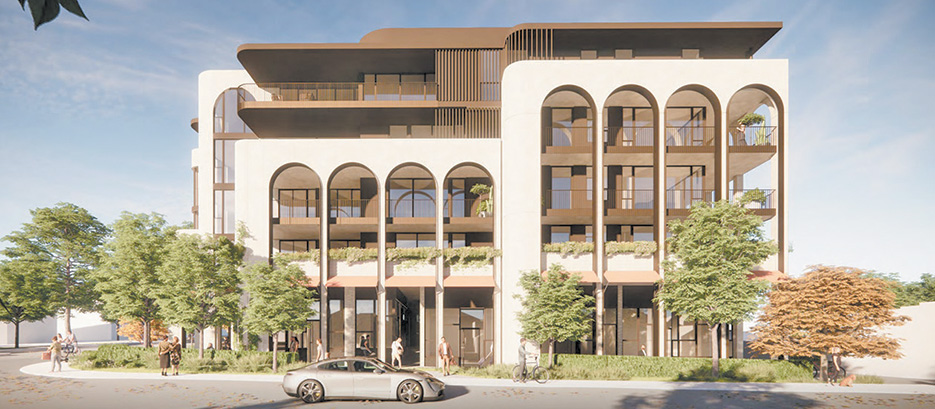
  • Time to see the density light(s)

    AFTER reading our opinion piece by Jan Ravet on “The hidden cost” of infill development (Voice, April 15, 2023), reader Bruce Taylor pens this counterpoint he titles “The hidden cost of low density”. He points to a 2020 study in the Journal of Urban Design by lead author Julian Bolleter about Perth’s “missing” medium-density housing stock, which is argued to bring more services and public amenities to suburbs. 

    AS a long-term resident on Walcott Street I hope the Adair and Walcott Street development gets approved. This area needs it.

    If we want more walkable and active/safe streets we need more developments like this to increase foot traffic and bring more eyes on the street. 

    This will benefit the whole community.

    I agree with Jan about the issues pedestrians and other users have with vehicles along Walcott and other streets; I see this also on my morning walks with the dog (maybe Jan and I have said hi to each other on our walks!). 

    The reasons we have these issues, though, is because the area is mainly low density and there’s nothing nearby, so why would you bother walking when you can drive and get there quicker! 

    The street will service whatever the dominant use is and at the moment it’s vehicles, not pedestrians. It can be changed. 

    Although, the businesses that are nearby, like Zambellis, Cariola and Full Moon Thai are staples of our community. 

    The more places like this and other types of businesses, the more people will walk and the more demand to improve the walkability and public transport of our area will occur.

    My household sold our second car a few years ago (after a few neighbours encouraged us to) and we have saved thousands of dollars over the years; this is a huge cost saving benefit that living in this area allows. 

    Yes, sometimes the kids have competing after-school activities that can’t be accessed by the bus, but a $15 taxi is cheaper than buying a second car for $30,000 and paying for insurance, registration and petrol every year. 

    People will be willing to go down to one car if there is access to core services and public transport nearby.

    Core services and public transport won’t come if there isn’t density. 

    It’s chicken and egg. Developments like this will help.

    I’m not asking for giant 14-storey apartments, just medium density apartments like the proposed development.

    Another benefit of increasing the density is the sense of community that it can bring. 

    As I said before, when you make it viable, this will encourage the creation local businesses. This is a huge social benefit.

    Think of North Perth Bowls Club; what a great community, everyone there knows each other because they all live in the surrounding streets. 

    Communities like this bring many mental health benefits. If this development could bring 

    in a cafe, a small bar, or a corner deli shop with half of the sense of community that the bowls club has created, I would ecstatic. 

    I ask that people think about the bigger picture when looking at developments like this, think of the overall benefits it could bring to our community. 

    Fitzgerald Street wasn’t always a 40kmh zone, the increase in density and local businesses made it a 40kmh zone.

    Maybe this development will get us the pedestrian traffic lights on Walcott Street we’ve all be asking for.

  • Tasty fiesta

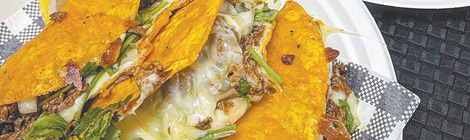
    DON Birria may sound like a Mexican villain from a 1970s cartoon, but it’s actually a new taco joint in the heart of Mt Lawley.

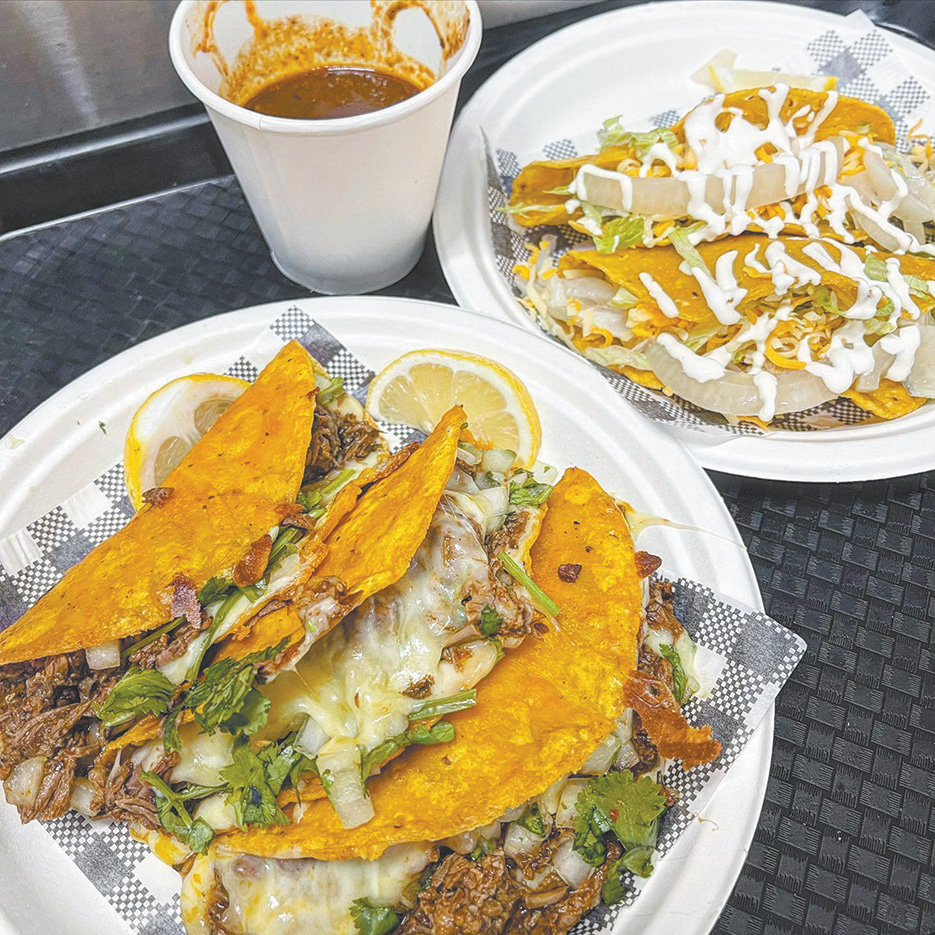
    Just around the corner from The Astor Theatre, the small eatery specialises in “birria” tacos which are stuffed with slow-cooked meat, then dipped in a stew and fried (mmm, get your cardiologist on speed dial).

    Traditionally they used goat meat, but Don Birria have updated things with more mainstream fillings like beef and chicken.

    Over the past three years the soul food has gone down a treat with folk at the Scarborough Sunset Markets, so the owners decided to take the next step and open an outlet on Walcott Street in July 2022.

    The eatery is small and casual with a few tables inside, a pavement alfresco and some more seating under a pop-up marquee in the car park, similar to a parklet.

    At the fag end of the Easter holidays, the joint was busy and there was a lively buzz as young folk and families came down for their taco fix and ordered at the counter.

    The menu on the wall had a nice range of tacos – soft, keto (with melted cheese) and dorados (deep-fried corn tortillas with potato and cheese) – as well as the signature quesabirria, quesadilla and loaded fries.

    Most of the dishes came with a choice of fillings including beef birria, chicken al pastor and lengua (beef tongue).

    My family kicked off with some beef birria quesadilla ($16) a hearty flour tortilla stuffed with cheese, onion and coriander.

    It had been grilled open and then folded in half, a bit like a spicy omelette.

    Conveniently it had been scored so you could rip sections off with your hands.

    It was a gooey, indulgent affair, crammed with tasty cheese and tender beef.

    Rich and comforting, it was the perfect remedy for a hangover.

    The signature beef quesabirrias (two for $15) had a nice crispy texture and tasted amazing when dipped in the consommé ($1) a murky, meaty affair that provided a nice antidote to the bright onion and coriander.

    The beef, cheese and consommé combined in a sort of a heavenly slop and it was a rustic and slightly primal treat.

    I wouldn’t eat this bad boy on a first date as your face would resemble a piñata dipped in goulash, but it was delicious.

    The chicken al pastor and beef birria soft tacos (both $13 for two) didn’t hit the same heights.

    I’ve had softer tacos elsewhere and they didn’t have the flavour punch of the other dishes.

    I liked the chicken al pastor, which was topped with juicy pineapple, but I was expecting more depth of flavour from the beef ones.

    I was actually going to order the lengua (beef tongue) taco, but they were sold out.

    In general, you’re better sticking to the harder shell and fried tacos, which are designed to be dipped in the rich consommé.

    I liked how the menu had the option for two or three tacos per serve, making it more kid-friendly and versatile for sharing.

    Don Birria is a fun, messy, tactile affair and a welcome twist to the Mexican dining scene in Perth.

    Don Birria
    3/80 Walcott St, Mount Lawley
    facebook.com/donbirria.aus
    instagram.com/donbirria.aus

    by STEPHEN POLLOCK

  • Strikes again 
    • The cast of Rolling Thunder Vietnam belt out a classic rock song. Photo by Lachlan Douglas

    THE 2023 production of Rolling Thunder Vietnam could be the most poignant yet as it joins forces with Soldier On to support Aussie veterans and their families.

    Since its world premiere in Brisbane in 2014, the hit homegrown show has struck a chord with its moving mix of laughter, tears and rousing rock songs from the era like We’ve Gotta Get Out of This Place and All Along The Watchtower.

    The latest production is raising awareness of Soldier On, an independent not-for-profit supporting current and former Australian Defence Force personnel and their families.

    Rolling Thunder Vietnam writer Bryce Hallett says the show was originally inspired by face-to-face interviews with Vietnam vets.

    Rolling Thunder Vietnam continues to strike a chord with Vietnam veterans as well as contemporary veterans,” Hallett says.

    “This is borne out in the often-emotional responses in meet-and-greet gatherings with veteran communities across Australia, be it in Perth, Newcastle, Wollongong or Caloundra. 

    “The show has served as something of a healing force, each performance working its magic to help enable Vietnam veterans to open up about their experiences, usually with tears welling up in their eyes. Many times they share photographs. Sometimes they show their scars and talk about their injuries.”

    During the show’s encore, actors thank Vietnam vets in the audience; a special moment that is met with loud applause and cheers.

    Over the years, some young cast members have formed special friendships with veterans, exchanging letters and phone calls long after the tour has finished.

    “At the opening of the tour at the Star Gold Coast, Christian Charisiou, who plays the role of the conscripted digger Andy, met a veteran named Viv from Stanthorpe, Queensland,” Hallett says.

    “His experiences of the war mirrored aspects of the storytelling on stage – ‘Pretty much everything you said up there was spot on,’ he told Christian. ‘I was conscripted to Vietnam when I was 19.’

    “Photographs taken when he was at Nui Dat, including one with him handling a rifle in a red-earthed pit lined with sandbags, and those where he’s shoulder-to-shoulder with fellow combat troops. The images are startling. 

    “Viv looks impossibly young and angelic with his blond locks and shy smile – a sobering and stark reminder of innocent lives disrupted and upturned by war.”

    The stirring production includes four giant video screens, classic rock music and a heartfelt story inspired by interviews with Vietnam vets and letters they wrote to family back home.

    Adding to the authenticity is the use of actual uniforms worn in the Vietnam war, loaned to the show by Vietnam vet Brian Tateson, curator of memorabilia and vice president of Box Hill RSL.

    The show also features the great photography of John Fairley and the late Peter Ward, who worked as photographers in the army’s PR unit and did their national service in Vietnam.

    “The storytelling – wry, blunt, deprecating, forceful, anxious, funny and sad – is a distillation of hundreds of stories and anecdotes about the fragility and resilience of young soldiers caught up in the world’s first televised war,” Hallett says.

    “The character and pulse of the narrative is at once intimate and authentic as it weaves in and around potent and poetic songs penned in the ‘60s and early ‘70s.”

    Rolling Thunder Vietnam is at The Perth Concert Hall on May 19 7.30pm and May 20 2pm and 7.30pm. Tix at perthconcerthall.com.au

    by STEPHEN POLLOCK

  • Great subject for a film

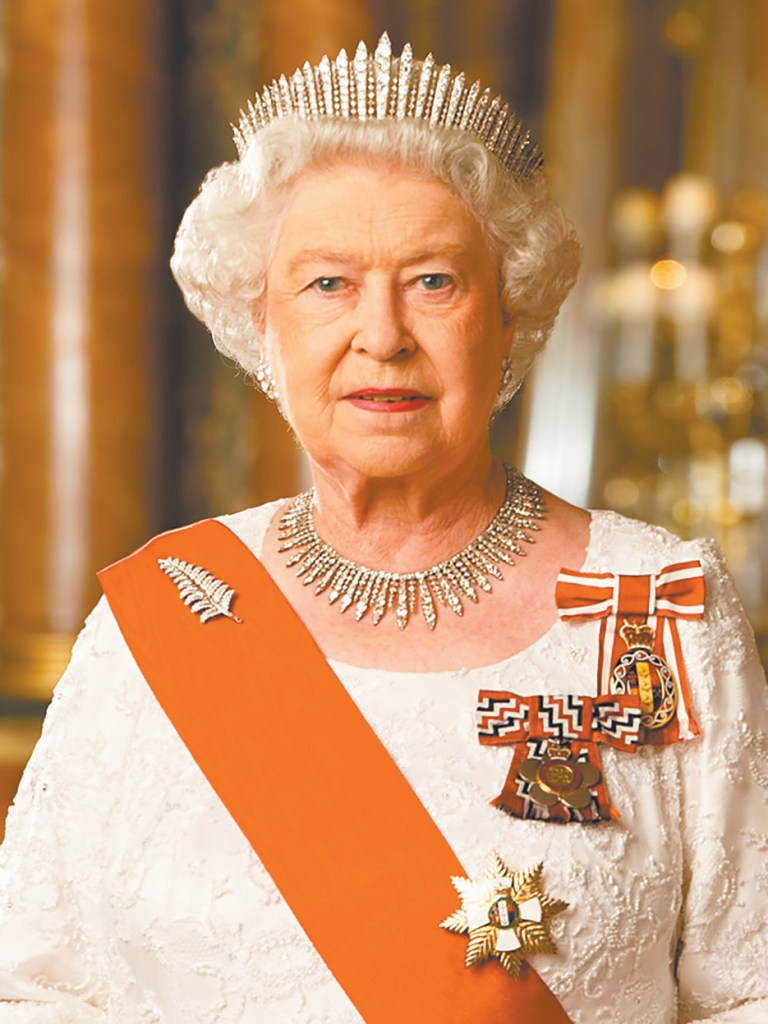
    PORTRAIT of the Queen is a captivating documentary seen through the eyes of the photographers and lighting artists lucky enough to photograph Elizabeth Windsor throughout her reign. 

    The film is a celebration of her life and legacy through the lens of portrait and photography.

    Cleverly filmed with only the face seen against a black background, the documentary is narrated by talented actor and beautifully spoken Charles Dance, who quotes the photographer Yousuf Karsh when talking about that special moment “when the revelation if it comes at all, comes in a fraction of a second with an unconscious gesture, a gleam of the eye or brief lifting of the mask that all human beings wear to conceal their most inner selves. That fleeting interval of opportunity, the photographer must act or lose his prize”.

    One of the strengths of this documentary is that it gives an insight into some private moments the public have never seen. 

    Sharing their stories, photographers who were fortunate enough to capture some of the memorable and private moments during the Queen’s reign describe the quick shot taken in a moment when the Queen was unaware, filtered through the proper portraits which she had to endure.

    It seems she was always having to pose which could be a strain, but Her Majesty in true form seemed to take this in her stride as part of her duty. 

    The photographers tell us how they set up a particular shot against a landscape; it looks natural, but the ploys they use to get the perfect shot are highly calculated, which is why only the best are invited to show the mosaic of her life.

    Actresses Isabella Rossellini and Susan Sarandon talk about meeting the Queen and the relationship between the subject and a good photographer. 

    Scattered throughout, members of the public spoke about their feelings for her which adds the human touch.

    Some of the photos discussed, which a photographer might consider one of their best, were not shown and that was disappointing. 

    My favourites were the few shown with the family by the river and on the bridge, captured by the Queen’s brother-in-law, Lord Snowdon or Anthony Armstrong-Jones. I wanted to see more from him. 

    Emma Blau takes us through the third generation, family owned, Camera Press archive where row after row of files are dedicated to the Monarch, a true treasure trove you’d want to browse. 

    Accompanied by the music score which compliments the visuals perfectly, this film will be appreciated by Queen Elizabeth II devotees. 

    3.5 chickens

    by Paula Holland

  • Cool townhouse 


    THE outside of this Mt Lawley home has a distinctly English air and reminds me of a townhouse in deepest Hampstead.

    It’s probably the red brickwork and overhanging roof coupled with the lush trees and bushes flanking the driveway. 

    But the inside of this three bedroom two bathroom home is decidedly modern Australian with a hint of Bali.

    If this all sounds like a stylistic muddle, it’s not, and everything blends into a pleasant whole.

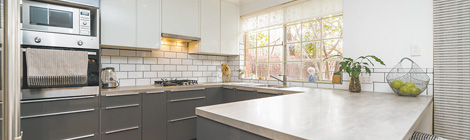
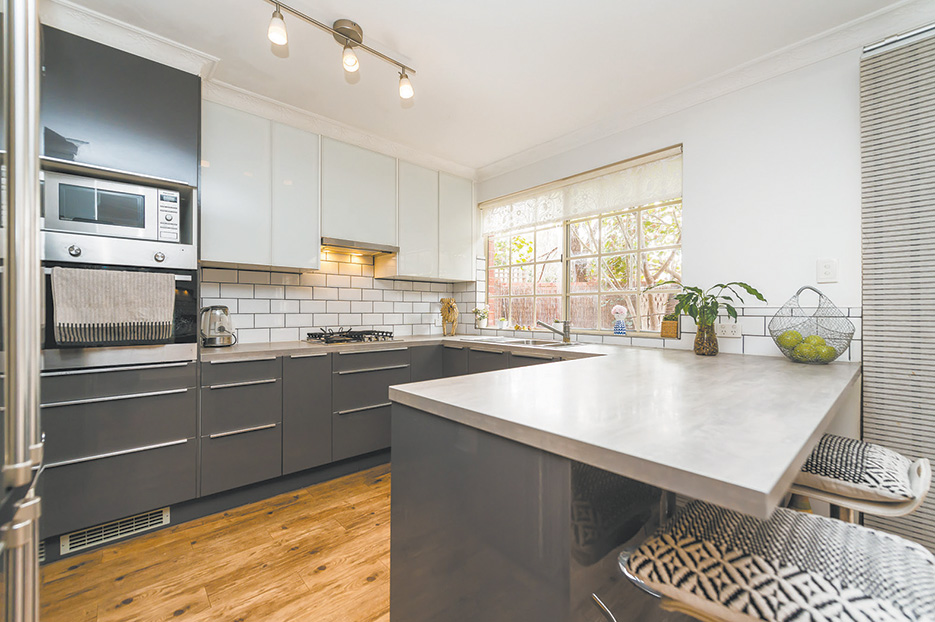
    The Voice really likes the kitchen, which has some nice subway tiles and a mix of light and earthy tones.

    Above the sink, the quaint windows let in plenty of natural light and conjure up relaxing views of the back garden, meaning you’ll never be stressed doing the dishes.

    As well as breakfast bar in the kitchen, there’s a lovely natural wood dining table off to the side, giving you a choice of locations for meals.

    The open plan lounge/dining/kitchen area is light and airy with timber-style floors and a bright red TV storage cabinet adding a splash of colour.

    There’s two seperate living areas and a study nook downstairs, so while it’s a 3×2 there’s plenty of living space for a family of four.

    I like the occasional use of exposed brickwork inside, adding some individuality to the property.

    Things get a bit tropical in the rear paved courtyard, which has a shade sail, manicured trees and bamboo panels.

    The green leaves really pop against the red brick walls and it’s a lovely arbour to have an alfresco meal or drinkypoos at night. Upstairs the main renovated ensuite bedroom has a bay window, two double wardrobes, split AC and a ceiling fan.

    The other two bedrooms are carpeted and also have split AC, ceiling fans and double wardrobes.

    The home has no strata fees and includes a spacious renovated kitchen and laundry, three toilets (two upstairs), alarm system, huge storage under the stairs, and undercover remote control garage with space for two small cars.

    Situated on Whatley Crescent, you’re not far from Perth College, the Mount Lawley cafe strip and Mt Lawley Primary and High Schools, with the train station about 300m away. Or why not go for a lovely walk at the nearby Bardon Park beside the river.

    This is a funky townhouse in a top suburb.

    From $599,000
    1/78 Whatley Crescent, Mount Lawley
    Home open today (Saturday April 29) and tomorrow 10:30am-11:30am
    Beaucott Property 9272 2488
    Agent Aaron Storey 0417 931 604

  • U-turn on Leak and Alma?

    AN unpopular traffic diversion trial that divided a North Perth neighbourhood has been called in for review early.

    In February Vincent council installed a concrete barrier to diagonally block off Leak Street and Alma Road for a six-month trial. 

    It was intended as a traffic calming measure that was only supported by a slim number of nearby residents, and a far larger majority wanted it gone (“Diversion disaster,” Voice, March 11, 2023).

    The barrier’s made getting around that patch of North Perth so circuitous that some residents don’t even go to the North Perth Plaza shops anymore, instead just opting to get out of the tangled maze and drive up a straight road to Dog Swamp shopping centre.

    Cars have been seen whizzing down laneways instead, or driving on the footpath to get through the diversion.

    So far 470 have signed an online petition calling for the barrier’s removal, along with a 96-signature written petition.

    Safety

    Lead petitioner Leon Firios told the April council meeting: 

    “There is some urgency to get the diversion resolved sooner, rather than later… there are safety issues at the site itself, and there are issues in the surrounding streets including around a primary school. 

    “So standing here today, the risk of something going wrong is reasonably foreseeable and the longer the delay in sorting out the diversion, the more acute that risk becomes.”

    The council was split 6-3 last August when it voted go ahead with the trial, estimated to cost $35,000 – $60,000. 

    But last week they were unanimous in voting to call for an early review of the trial.

    A motion from Cr Susan Gontaszewski requested the council staff present an early report on the trial at the next meeting to look at traffic data and consider addressing resident concerns about safety issues stemming from the diversion. 

    Council staff had been against the diagonal diversion in the first place, recommending against it due to the likelihood that it’d just send traffic into smaller surrounding streets. 

    A preliminary report says traffic data confirms nearby roads and laneways “have been negatively impacted upon”, and smaller roads are getting heavy vehicles that previously used Alma. 

    The report will be back at the May meeting for councillors to decide whether to end the trial three months early. 

    A lot of residents criticised the permanent-seeming nature of the trial barrier, being a whole concrete kerbing setup instead of something more temporary like planter boxes or water-filled barriers. It’ll probably cost about $15,000 to pull it all up.

    by DAVID BELL

  • Mother’s choice  
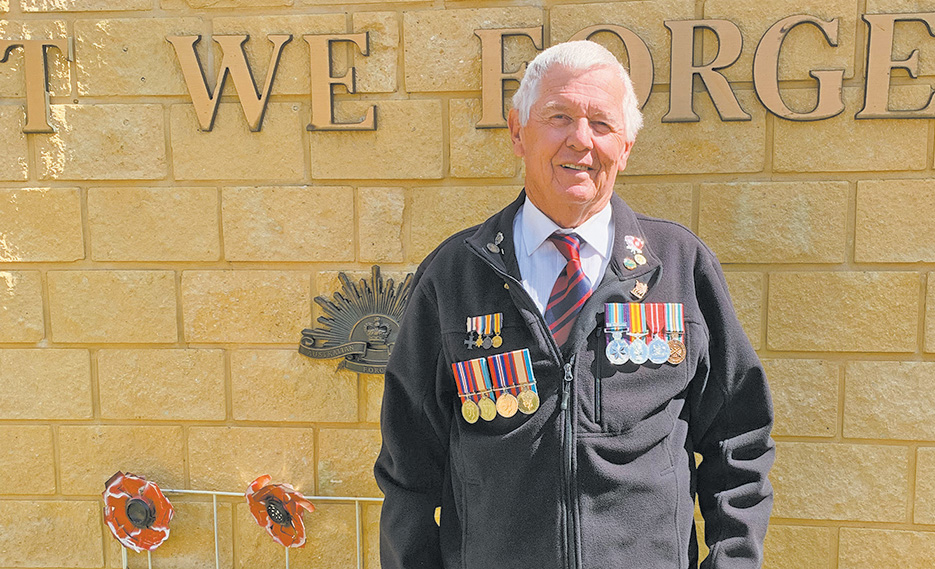
    Bruce Wiltshire’s number came up at the same time as his brother’s.

    NUMBERED marbles, each representing a day of the year, placed in a barrel. 

    A number randomly picked by hand corresponded to the days of the year, and if you were a 20-year-old man and your birthday came up, you’d be required to present yourself for national service.

    For Bruce Wiltshire, marbles were drawn out for both he and his brother, which was almost unheard of. They faced being conscripted to join the fight in the Vietnam War.

    “They weren’t allowed to pick on a family, take two,” Mr Wiltshire says. 

    When his mother questioned the army about what to do, the response was every family’s nightmare. 

    His parents were informed they had to choose which son would go to war. 

    Bruce, describing himself as the “rough and tumble one”, was chosen. 

    “Because I’m here I suppose, I’m definitely pleased that they did,” he says.

    As Anzac Day approaches, Australia and New Zealand remember the sacrifice made by veterans and those in active duty, helping to continuing their legacy.

    Mr Wiltshire grew up in Geraldton and recalls a wonderful childhood revolving around sports, in particular sailing and hockey. 

    Conscripted

    Once he was conscripted, however, he had to grow up quickly. Approaching his 21st birthday he had nearly completed an apprenticeship as a fitter and turner, which the army allowed him to complete. 

    He was then sent for a 10-week training course at Puckapunyal in Victoria, describing it as “quite intense”.

    “We changed from boys to men,” he says. 

    His next destination was Sydney, to the School of Military Engineering where volunteers were requested for water transport. 

    Mr Wiltshire, an avid sailor, shot his hand straight up and nudged his mate next to him to do the same. 

    He thought the water would have to be better than crawling through tunnels and coming across mines.

    His mate was not as convinced: “I get seasick,” he told him. 

    Eighteen months later that same friend thanked Bruce as he ended up landing a job as a stevedore, organising and loading the ships. 

    Once in Vietnam, Mr Wiltshire was assigned as an engineer on the ships, taking tanks and fuel trucks out and around a fight up the coast, instead of risking transportation on land. 

    Based in Vũng Tàu, he and his comrades would also rebuild villages that had been bombed. 

    Around the same time, he started studying the weather, and has done so ever since: “So now they call me the weatherman in our family,” he says. 

    Mr Wiltshire said the Anzacs got along with the Americans.

    The US Navy had bigger vessels, and often they’d get into mischief with each other in Saigon.

    “We would quite often raid their sea containers and gear that we couldn’t get,” he adds. 

    In Vũng Tàu they made friends on the US Navy’s food supply vessels.

    “They use to swap food with us for beer because we had the large Fosters cans and they reckon the only thing they’d seen in cans like that was their automobile oil,” he says.

    Christmas

    “We would get real food, a real chicken or a turkey on Christmas.

    “We had a lot of fun there, other times it wasn’t as fun when you were getting shot at.” 

    By the end of his tour, Bruce had vowed never to return to Vietnam as he felt he’d had enough, but one particular building, he can still picture in his mind: “the Grand Hotel, which was a massive French building,” he marvels. 

    Mr Wiltshire will be staying in the Grand with his wife  when they return to Vietnam in November for the Water Transport Association’s 50-year reunion.

    A rough journey through the South China Sea allowed the soldiers to return home, eager to live normal lives. 

    Mr Wiltshire, decided to enlist in the army permanently because there was no guarantee he wouldn’t be put back in the firing line.

    Instead, he earnt his engineer’s ticket and began a career on ships of all sorts. 

    Now retired, he continues his loves of boats, attends the gym, supports the West Coast Eagles and is proud of the family he has created. 

    Anzac Day is about “remembering and supporting those who went before us,” Mr Wiltshire says. 

    A day full of tradition, his grandfather, father, mother and now son have all been involved with the armed forces, a fact that makes him proud and helps him to remember why Anzac Day is celebrated.

    by KEELIE PAATSCH

  • Living reminder of the ultimate sacrifice
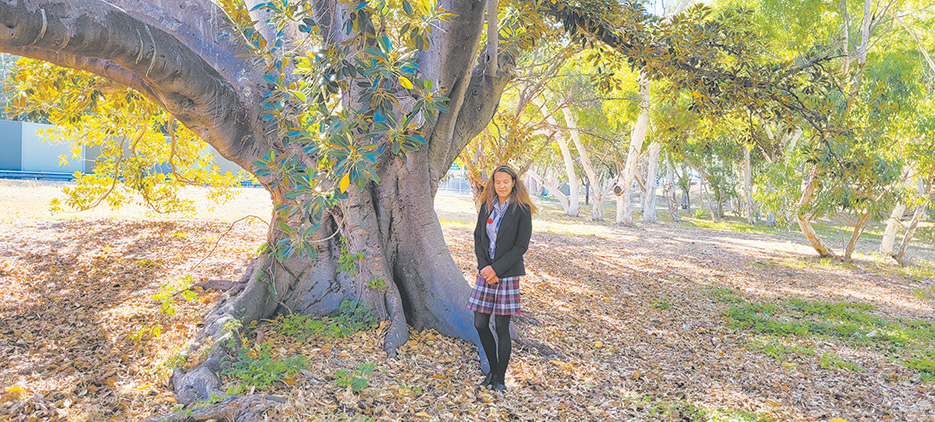
    Mt Hawthorn student Elizaveta Fedotova contemplates Horry’s Tree.

    TODAY’S tale from Vincent’s local history librarians is about Horry’s Tree, planted as thousands of Aussies and New Zealanders left WA for the battlefields of Europe, and the young girl it inspired who’s off on the learning experience of a lifetime.

    MT HAWTHORN student Elizaveta Fedotova is one of 10 student ambassadors selected to take part in the Premier’s Anzac Student Tour in 2023.  

    The Bob Hawke College student has just departed for a historical study tour of Sydney and New Zealand with her co-ambassadors to explore key sites related to World War II.   

    Since 2004, more than 200 WA students have been selected for tours to commemorate the service and sacrifice of service men and women. 

    Students are selected from written submissions and interviews where they demonstrate their interest in Australian history and an understanding of the Anzac legacy.

    For her application, Elizaveta was inspired by the local story of Horry’s Tree, a large Moreton Bay Fig tree which stands near the Mitchell Freeway entrance off Vincent Street.   

    Promise

    The tree was planted in 1915 by former Leederville resident and dairyman Horace ‘Horry’ Thompson. 

    Mr Thompson planted the tree beside his home in Melrose Street as an arboreal promise to his family that he would return from the war. 

    He never saw the sapling become a tree as he was killed on a French battlefield in 1917.

    He left behind his three children and widow Lily, who died shortly after in 1921. 

    The Thompson children were raised by their grandmother and helped by neighbours.  

    Over the years, neighbour Dorothy Jenkins stood vigil over Horry’s Tree, staving off attempts to cut it down during construction of the Mitchell Freeway.  

    Mr Thompson’s grandniece Fay Maughan compiled a history piece about the tree in 2014: 

    “Dorothy was the keeper of that tree…Dorothy used to go down there every day and make sure they didn’t bulldoze it,” she wrote. 

    Dorothy died in 2014 aged 94, just before Ms Maughan’s history was completed and received a City of Vincent local history award. 

    The tree was heritage listed by Vincent in 2016 in recognition of its contribution to the community’s sense of place. 

    It sits beside the freeway and has inspired a new generation of locals like Elizaveta to understand and appreciate the impacts of war on families and communities.

    “The story of Horry’s Tree offers an opportunity to reflect not only on the sacrifices of the Anzac heroes, but also on the generosity, compassion and a true patriotic spirit of all Australians who helped during the Great War on the home front,” she said.

    “Horry died defending our country, but his tree even today serves as a reminder of the terrible cost of war and, at the same time, of the love and compassion that existed between Australian families and our communities.  

    Not forgotten

    “I hope that none of these people are ever forgotten, and that Horry’s Tree lives on to tell the story for many generations to come.”

    Ms Maughan’s story of Horry’s Tree is available at the Vincent Local History Centre.  

    To commemorate Anzac Day, local history legend Anne Chapple OAM and filmmaker and writer Dawn Farnham will be holding a behind-the-scenes talk on the making of 

    a documentary film about the women of Anzac Cottage at the centre. 

    Budding filmmakers and local history enthusiasts are welcome to attend the talk on 26 April, 10am. To book a place, email local.history@vincent.wa.gov.au or call 9273 6090.  

  • Prime hype fades like a fix of sugar

    LIKE the sugar hits nutritionists warned were being encouraged, the huge hype that saw Perth supermarkets mobbed by teens trying to get their hands on Prime drinks seems to have disappeared. “Parents back ban on Prime,” Voice, Saturday April 1, 2023).

    Launched as a collaboration between popular media figures Logan Paul and KSI, Prime caused a frenzy when it was released in Woolworths stores across Perth on March 26. 

    “We sold out in the first three hours,” one Woolies staffer told the Voice, describing the teens’ desire as “insane”. 

    “We were ravaged with people asking for Prime … at least 10 people per shift.”

    But health experts were quick to raise concerns about the energy and hydration varieties of the drink. While Prime Energy’s 56mg of caffeine per 100ml far exceeds Australian food standards regulation and it’s banned from sale, it is readily accessible for purchase on eBay and similar platforms.

    Prime Hydration’s use of preservatives and synthetic sweeteners such as sucralose also concerned health experts, who warned it could push kids towards a habit of sipping on sweet drinks.

    This triggered widespread bans by WA schools including Mt Hawthorn Primary. 

    But by last week sales of Prime seemed to have slumped, with a Woolies staffer telling the Voice they’d only managed to move one crate of the drink from their store in over a week.

    And despite the hyper-inflated price people were prepared to pay to get their hands on one at the end of March, the store was unable to sell more Prime despite offering it on discount.

    The Root Cause founder Belinda Smith says it’s possible parents were responding to the health concerns and school bans and stopping their kids buying Prime, while kids might have also been getting the message.

    “The media and schools are part of our surroundings, so… what they’re role modelling influences not just parents, but also children.”

    “Having no added sugar does not make any drink healthier,” Ms Smith said.

    Instead Prime Hydration relied on “sweeteners which are yet to be proven to be safe over the long term”.

    The Root Cause recently released an article supporting the schools which banned Prime, but also partnered with the Obesity Policy Coalition’s Jane Martin.

    “The government needs to take a more proactive role when it comes to advertising foods and drinks to children,” Dr Martin said, noting the use of social media celebrities such as Paul and KSI had fuelled Prime’s initial frenzy.

    by LAUREN CAMPBELL