THE FIFA Women’s World Cup 2023 takes place in cities across Australia and New Zealand in July and August 2023, and the Perth matches will be played at HBF Park in Vincent. Inspired by the upcoming competition, the Vincent Local History Centre has delved into the history of ‘the beautiful game’ in the area.
The Vincent connection to soccer in Western Australia goes right back to its roots.
While soccer was played in Victoria and New South Wales from the 1880s, its popularity in Western Australia dated back to the gold rushes of the 1890s.
In 1896, Perth’s first official organised game of soccer (then called British Football or Association Football) took place in Hyde Park.
While there were no photos of the game, the results were recorded in the local papers and documented by soccer historian Richard Kreider in his comprehensive history of the game in Western Australia called Paddocks to Pitches.
Early soccer games were played all over Perth including at Weld Square, Loton Paddock – which is now known as Perth Rectangular Stadium (HBF Park), the Esplanade Reserve, Wellington Square, Russell Square, the WACA grounds, as well as further afield in Fremantle and Cottesloe.
The most prestigious prize in early WA soccer was the Charity Cup first played at Loton Paddock in East Perth in September 1903.
By 1910, the popularity of Association Football had grown with leagues on the Goldfields and other country areas.
In Perth, new teams such as Caledonians and Thistle United were established. These teams reflected the British or Scottish origins of their players.
The influential Burt family were among the early administrators and players of what was then known as the WA British Football Association.
By 1914, there were about 80 senior, junior and school clubs affiliated with the association.
World War I delivered a shattering blow to the sport which, like many amateur sports, suffered heavy losses of players, administrators and supporters.
Soccer rebounded in the 1920s as it was boosted by visiting international teams including a Chinese soccer team which played Western Australia in June 1927.
The team won two of the three games with local newspapers reporting that the visit had been a “sporting and diplomatic success and a great boost to the local game” (The Western Mail, 23 June 1927).
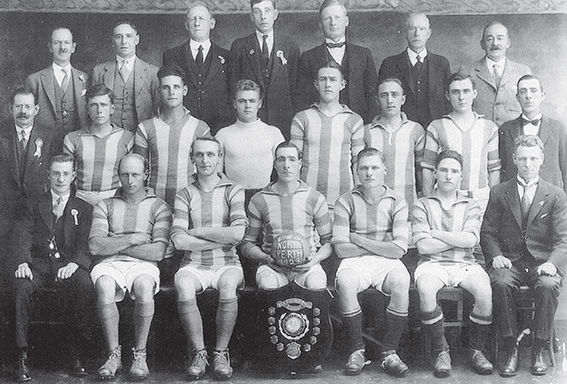
New teams sprang up including the North Perth Soccer Club, which was established in 1924 and used Woodville Reserve as its home turf.
While the club had some success in the 1920s, it was not until the post-war period when it became a dominant force in local soccer producing a slew of state players.
Another early soccer team connected to the Vincent area were the Maccabeans, which were based at Menzies Park, Mt Hawthorn.
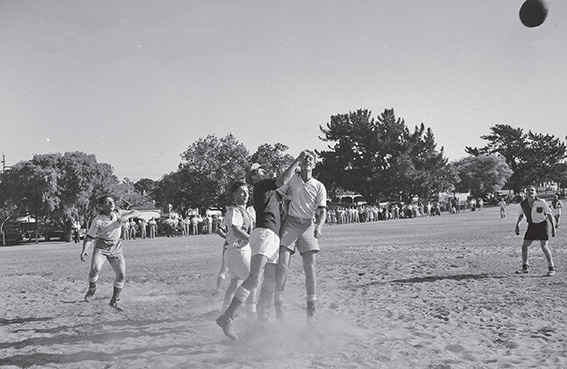
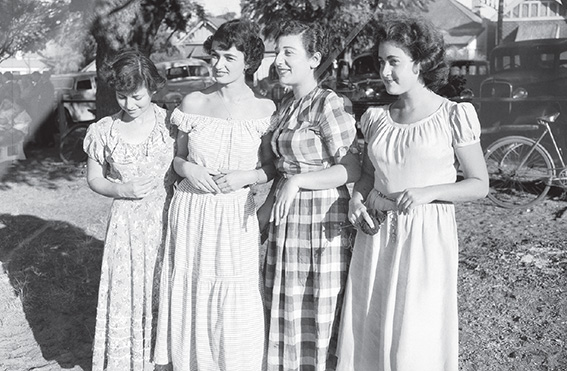
Formed in the 1930s, many of the team’s players came from Highgate and North Perth’s strong Jewish community.
Early players included Jack and Leon Segal, and Menahem Mirimowitch who came to Perth in 1939 with a touring Palestinian soccer team which became stranded in Australia at the outbreak of World War II.
This early history of soccer laid the foundations for rapid growth of teams and popularity of the sport spurred by the post-war influx of European migrants.


Leave a comment