
PERTH Children’s Hospital anaesthetist Britta Regli-von Ungern-Sternberg has been awarded the Frank Fenner Prize for Life Scientist of the Year in the Prime Minister’s Prizes for Science.
Prof Regli-von Ungern-Sternberg, who is also chair of paediatric anaesthesia at the University of WA, received the award for her life-changing research into reducing the risks for children under anaesthesia.
Her research showed a link between family history, modifications in anaesthesia management and the one-in-seven kids who experienced breathing problems during surgery.
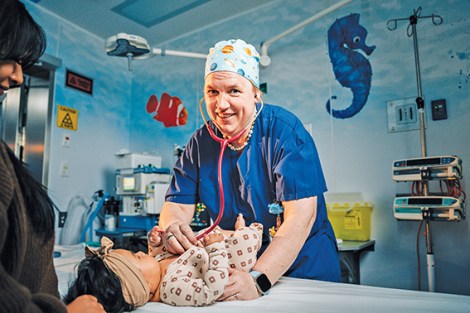
This meant kids at high risk could be identified early and their anaesthesia management tweaked to make their operations as safe and pain-free as possible.
Her work has been incorporated into international guidelines.
“Receiving the Frank Fenner Prize for Life Scientist of the Year is a very humbling experience,” Prof Regli-von Ungern-Sternberg said.
“I truly feel this prize is not just for me – it’s for my whole clinical] and non-clinical team and all the work they do to care for our patients.
“The reason we can translate our work so easily into clinical practice is because we work together as a group, including with our patients and their families.
“Our research is not just about children and for children, but is co-designed with and by children and families.
“We know that the experiences we have as a child in healthcare and particularly surgery, can shape not only the now but also the future and long-term health as an adult.
Comfortable
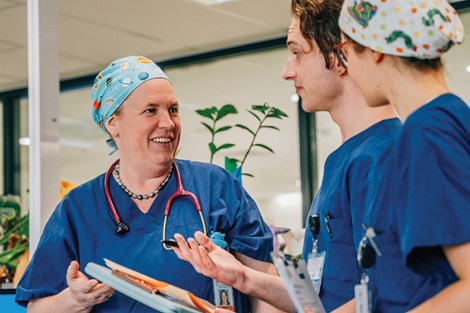
“If a child needs a vital operation, my aim is for this surgery to be as safe and comfortable for the child as possible.
“I started out as the only female paramedic in my town in Germany and I’m now one of a small number of female academics in my specialty.
“I feel very passionate about mentoring people from all walks of life and all genders, and giving them opportunities in our field.
“We look after some of the most vulnerable patients in Australia, so it’s fantastic for people to hear about all we do in paediatric perioperative care.
“I hope it will encourage more people to become interested in the specialty,” she said.


Leave a comment