• Lord mayor livid as WACA let off rates

    ANOTHER spat has broken out between the City of Perth and the McGowan government after local government minister John Carey approved a rates exemption for the WACA.

    Last year premier Mark McGowan said the council had “failed the local community” after it backed out of an agreement to fund a public swimming pool as part of a redevelopment of the sporting ground.

    At Tuesday’s council meeting, a visibly agitated lord mayor Basil Zempilas hit back, saying ratepayers were being asked to wear the costs of subsidising the WACA when it was the McGowan government’s decision to close the state’s borders which prevented it from holding international cricket matches for two years.

    “All the decisions that led to the financial impact on the WACA were decisions that were made by state government, not decisions that were made by the City of Perth,” Mr Zempilas said.

    “If there were any concessions to be afforded the WACA … those concessions should have come from state government charges, not from charges of the City of Perth.

    In his letter to council CEO Michelle Reynolds, Mr Carey also cited the impact on the WACA from nearby construction in his decision to approve the exemption, but Mr Zemilas wasn’t buying that argument.

    “It would be impossible for us not to highlight that a great number of City of Perth businesses have had exactly the same impact from that one-two combination; Covid and construction,” he said.

    “I wonder now will there be a stampede of ratepayers writing to the minister requesting the same concession that the WACA has been afforded.”

    The council voted to write to the minister expressing disappointment he’d overturned a 2018 decision by former local government minister David Templeman that the WACA would no longer get a 100 per cent rate exemption and that another arrangement needed to be negotiated.

    Councillor Clyde Bevan said the rates exemption was hard to justify given the public accounts of the WACA showed a $2.3 million profit last year and a $500,000 profit the year before during the Covid epi-centre.

    “I have looked up on the membership of the WACA; the 1885 membership is sold out and there is a waiting list for it, and I can’t see why ratepayers should be subsidising the WACA,” Cr Bevan said.

    “Secondly they have a Champions Club, and it states on their website: ‘Experience cricket in first class and the highest level of luxury by adding a Champions Club card to your membership’.

    “And then it says: “Enjoy exceptional food, beverage and in-seat service while relaxing in leather reclining armchairs’.

    “I can’t see these people can’t afford to pay their rates and taxes when that membership is $3850.”

    Councillor Sandy Anghie was the only one to vote against the letter: “I think it’s all outlined here that the minister has the right to do this and I can see that the city isn’t necessarily very happy, but the minister is the minister.”

    A report to councillors said between 2018/19 and 2021/22, $736,000 rates were levied against the WACA, but a concession meant they only had to pay $49,000.

    This year the WACA was sent a $199,000 rates bill after the council approved the annual budget, but chief financial officer Michael Kent said there was no point making an adjustment to fill the hole until the minister’s decision had been gazetted.

    by STEVE GRANT

  • Galup wins
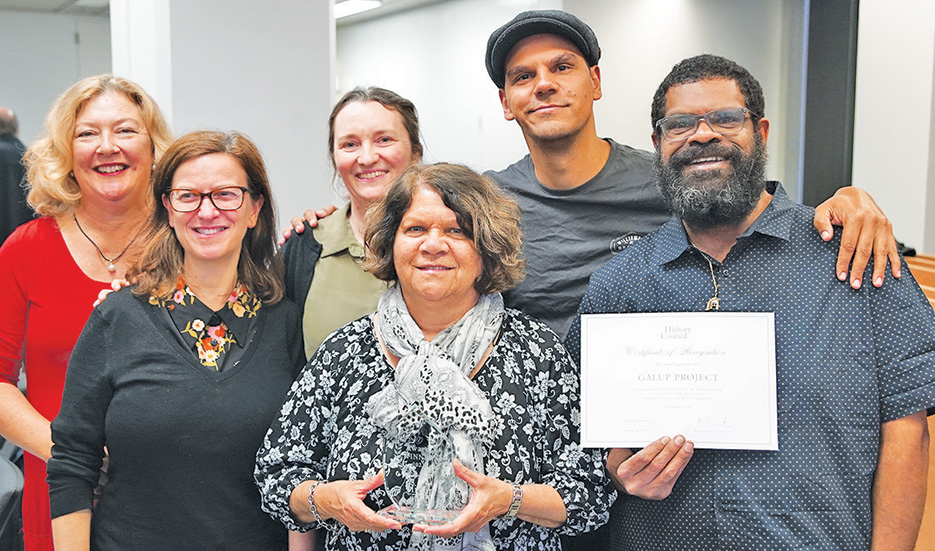
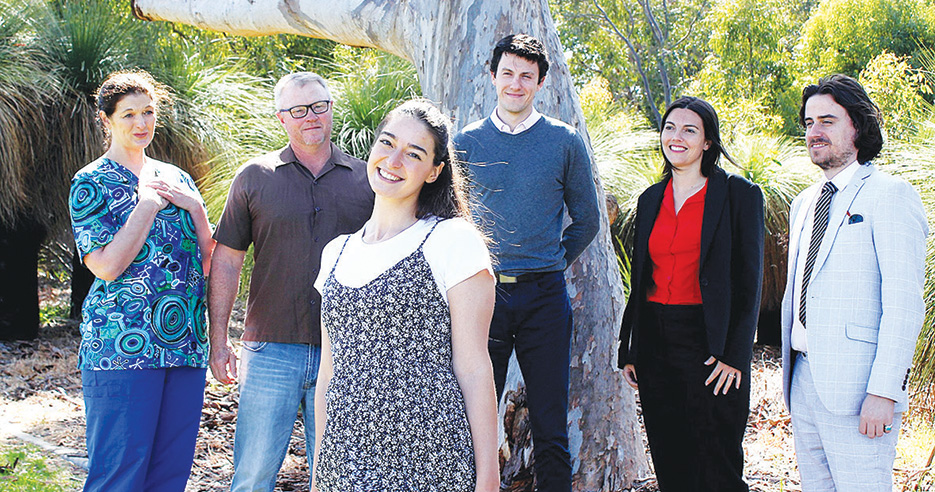
    Sandra Daws (Town of Cambridge), Susanna Iuliano (City of Vincent), Poppy van Oorde-Grainger, Glenda Kickett, Ian Wilkes and Samuel Yombich Pilot-Kickett after receiving the history council award. Photo by Martin Pujol.

    AN arts project about Lake Monger’s buried colonial history has won a prestigious award for its outstanding contribution truth-telling in Western Australia.

    The Galup art project picked up the History Council of WA award at the state library on Tuesday.

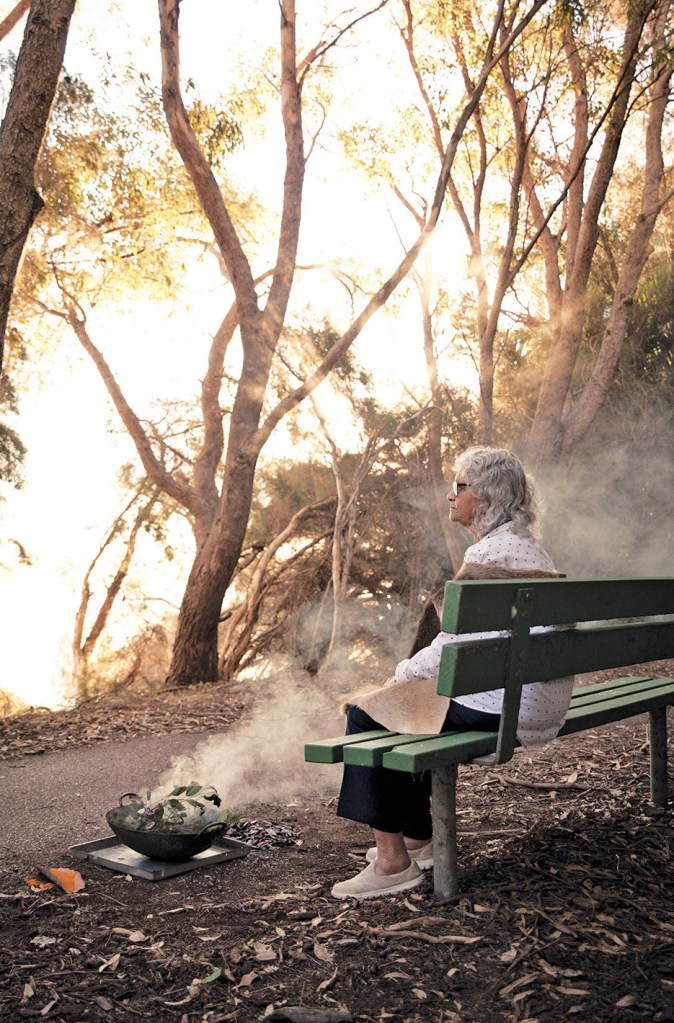
    Lake Monger was a traditional Noongar camping and meeting place known as Galup (Kaarlup) – a place of fires – and site of one of the first colonial massacres of Noongar people in 1830.

    The Galup arts project included a live performance and virtual reality experience created by Noongar theatre-maker Ian Wilkes and Poppy van Oorde-Grainger with an oral history from Noongar elder Doolann-Leisha Eatts. 

    Photo by Poppy van Oorde-Grainger.

    Ms Eatts’ daughter Aunty Glenda Kickett and grandson Samuel Yombich Pilot-Kickett were alongside Mr Wilkes and Ms Oorde-Grainger to accept the award on her behalf. 

    “Mum always dreamed that this story would be told and seeing it come to life was a very proud moment for us. She would be so proud of the team for this award,” Ms Kickett said.

    Mr Wilkes and Ms Oorde-Grainger said in a statement the Galup arts project was designed to increase awareness of Galup/Lake Monger’s history while bringing people together for connection and healing. 

    “We thank the history council for their recognition of the significance of this important story in the history of WA and the truth it tells about the impacts of settler colonisation which continue to this day,” they said. 

    The team is taking the virtual reality film into schools and libraries and advocating for a memorial at the lake to raise awareness of its history. 

  • Cowan statue gets the vote
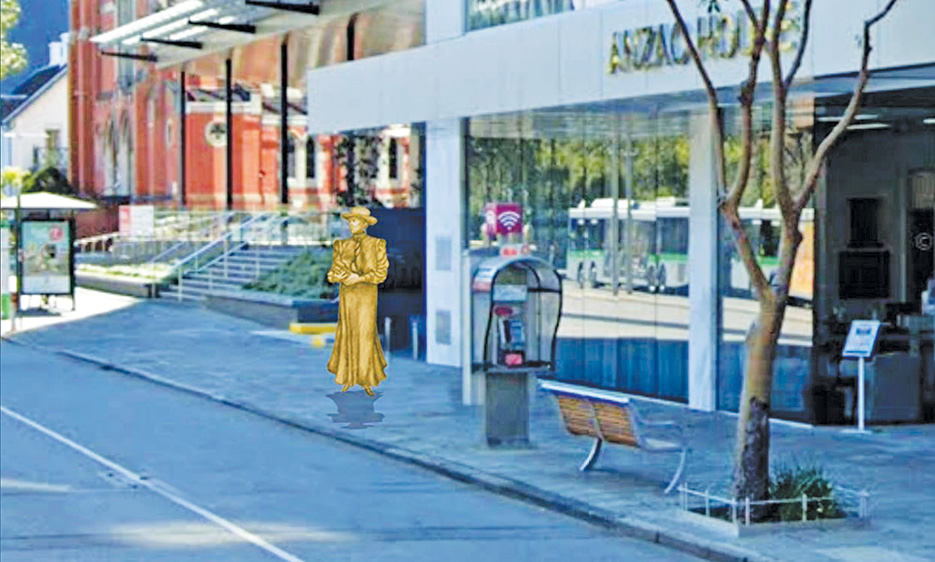
    • The Edith Cowan statue will look across the road to contemporary activist Fanny Balbak from Anzac House.

    A STATUE of pioneering politician Edith Cowan, gifted to the City of Perth, has been approved for the front of Anzac House on St George’s Terrace.

    The $245,000 commemoration of Australia’s first female parliamentarian was paid for by councillor Sandy Anghie and her husband Michael, a CEO at APM Group and former director of the Art Gallery of WA, and approved by the council at Tuesday’s ordinary meeting.

    The proposal has been kicked around for a while, with Cr Anghie’s original motion to have the city fund a statue to women getting knocked back in 2021. Even her gifted offer took some negotiating when some argued the proposed Edith Cowan University campus in the city might be a better location.

    But lord mayor Basil Zempilas noted the large contingent of statue supporters in the public gallery on Tuesday, saying their passion had helped secure the location.

    “The contribution of Edith Cowan can absolutely not be considered with anything other than the highest acclaim and regard, and if a councillor and any other person in our city wishes to provide us with a gift to honour somebody and it meets with the proper and necessary council approval to go in the site that those benefactors have identified, then who would this lord mayor be to stand in the way of that happening,” Mr Zempilas said.

    His preference was for a recognition such as the Keys to the City he championed for athlete Sam Kerr earlier this year, but still put his hand up to support the Cowan statue.

    Councillor Rebecca Gordon last year spoke against Cr Anghie’s motion.

    Artistry

    “I thought there were better ways to be celebrating women and their achievements in our city, but primarily I thought this was not the best use of ratepayers’ funds,” Cr Gordon said.

    “However, we have the opportunity now to be gifted with a sculpture of that nature, and therefore I’m supportive.

    “It’s apparent the artistry of the Smith sculptors – their pieces are elsewhere in the city – so I’m glad to be receiving another one.

    “What was apparent from last week’s deputations is that individuals that frequent the area are going to be very grateful to receive such an installation.”

    The motion to approve the statue was amended slightly by new deputy mayor Liam Gobbert to include a maintenance and replacement schedule.

    “We know from past experience the city inheriting public artworks can be potentially be fraught with the ongoing maintenance and then the ongoing renewal; potentially impacting on the amenity of the area,” he said.

    Councillor Di Bain thanked the Anghies for their gift: “A quarter of a million; you don’t get one of those gifts every day of the week, so I’d like to congratulate them for their generosity and thank them on behalf of me, for the city,” Cr Bain said.

    Suzanne John coordinated the various groups behind the sculpture, including the Karrakatta Club, the Returned Services League and the architect of Anzac House and welcomed Tuesday’s decision.

    “After over two years of working towards this and 90 years since Edith Cowan’s death, she will stand looking toward Fanny Balback, the indigenous civil rights advocate; two powerful women living and working towards their related aims in the same era,” Ms John said.

    “Prior to this, the only female on the city’s main thoroughfare, St George’s Terrace, was a kangaroo, so this represents a small but important step forward in balancing history’s ledger.”

    by STEVE GRANT

  • Sell-off raises fears
    The state government spent years slowly buying up land for an intersection upgrade. Now it’ll sell them again.

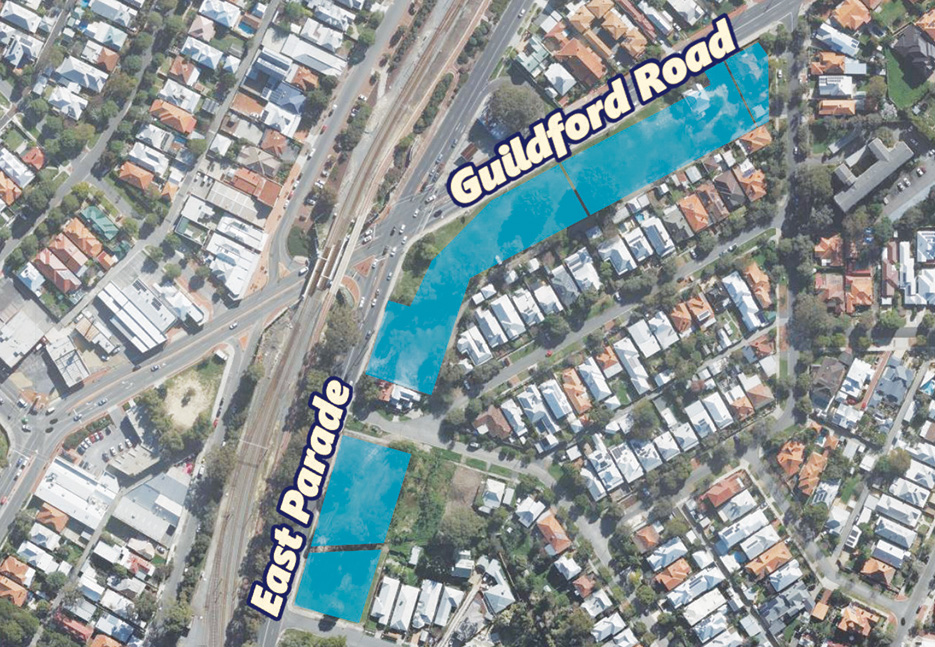
    A WA government plan to sell off a strip of land along East Parade and Guildford Road in Mount Lawley has prompted fears a long-awaited fix for the dangerous intersection could be in jeopardy.

    There are 32 lots running either side of the intersection that are mostly grass and trees. The state government is selling them via tender, calling for proposals for mixed residential development including more social housing.

    But those two streets cross each other at a poor intersection. It’s currently operating over-capacity for its design, with hundred-metre queues at peak hour. 

    Circuitous

    Right turns are banned on all four approaches, but that sends people needing to turn on a circuitous trip and through the intersection twice. 

    Main Roads has a “long term” concept design to add extra right turn lanes, keeping motorists out of the residential side streets. 

    The department spent years buying up land to make room for the upgrades, part of which will now be sold off.

    Bayswater councillor Elli Petersen-Pik is concerned the land sale will leave no room for the intersection upgrades.

    He said fixing the intersection should be addressed before any land is sold, and suggested at least some of the land with existing trees could be kept for an urban forest. Cr Petersen-Pik said that would help compensate for the mature trees being lost to state government projects like freeway upgrades and the Bayswater train station makeover. 

    Resident Sarah Bright told the October 18 Bayswater council briefing she’s lived nearby on First Avenue for 13 years, a road bearing the brunt of cars taking to side streets to get around the right-turn ban.

    “We were disappointed to learn that the entire plan for the intersection had been seemingly abandoned,” Ms Bright said.

    “However, we were horrified to learn that the plan seemed now to sell off the land needed for any future efforts to improve the intersection. 

    “My concern is primarily about safety,” with the current right turn ban forcing cars through her street. 

    “We have had more than three cars crash into our house and even more crash into the street outside.

    “Luckily no one was walking past or in the house at the time.”

    Neighbour Cameron Brewster said: “I have seen so many close calls … I cannot fathom why [the land] would be sold again, losing the opportunity to fix this major black spot intersection.”

    Cr Petersen-Pik moved a motion at the October 25 meeting calling on the council to write to planning minister Rita Saffioti and local MPs raising concerns over tree loss.

    He wants them to “urge the state government, before it sells the publicly-owned land on the corner of Guildford Road and East Parade, to provide a commitment [and timeframes to] implement the long-awaited reconfiguration of that intersection, aimed at addressing current and future traffic issues/needs”.

    by DAVID BELL

  • Gobbert voted deputy
    • New deputy lord mayor Liam Gobbert.

    LIAM GOBBERT has been voted in as depty lord mayor of the City of Perth.

    At Tuesday night’s council meeting Cr Gobbert secured five of the nine votes to take over the position from Cr Di Bain, who had completed her prescribed 12 months.

    Cr Gobbert had been nominted by Cr Rebecca Gordon, a manager at miner Fortesque Metals Group.

    Lord mayor Basil Zempilas noted that Cr Gobbert had previously been the deputy mayor at the City of Joondalup; in fact at 24-years-old he was the city’s youngest deputy.

    “I think that takes you straight to the local government hall of fame, councillor, so my congratulations and  well done,” Mr Zempilas said.

  • Charge to the future
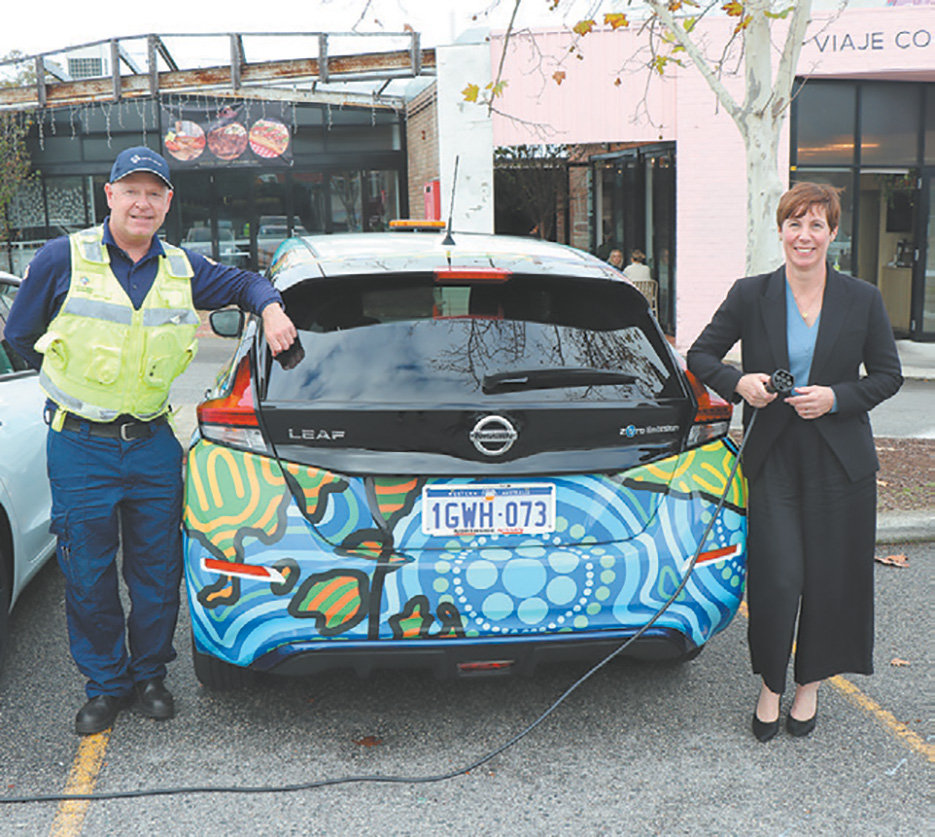
    City of Vincent ranger Russell Hallberg and mayor Emma Cole with an EV charger – soon they could be available on verges throughout the city. File photo.

    VINCENT council is hoping to work with state government agencies to install charging points for electric vehicles on roadside verges when Vincent’s power goes underground.

    While council CEO David MacLennan says the response from Western Power and Synergy to a proposed trial has so far been a “blanket ‘no’”, the city hadn’t given up and was making some progress.

    Responding to a question from the public gallery from Highgate resident Dudley Maier, Mr MacLennan said the idea had already been kicked around by councillors and raised by other residents.

    “We want to future proof the new infrastructure during the underground power program to accommodate the current demand for on-street EV charging and prepare for the EV future,” Mr MacLennan said.

    “This is more applicable for the City of Vincent given the number of older houses without onsite parking and the large number of apartment buildings we have.

    “The rest of the worl is moving ahead to accommodate an EV future and we would like to ensure our residents are not left behind,” he said.

    Mr Maier pointed out that timing the installation with sending the power underground could have significant cost advantages.

  • Standing the test of time
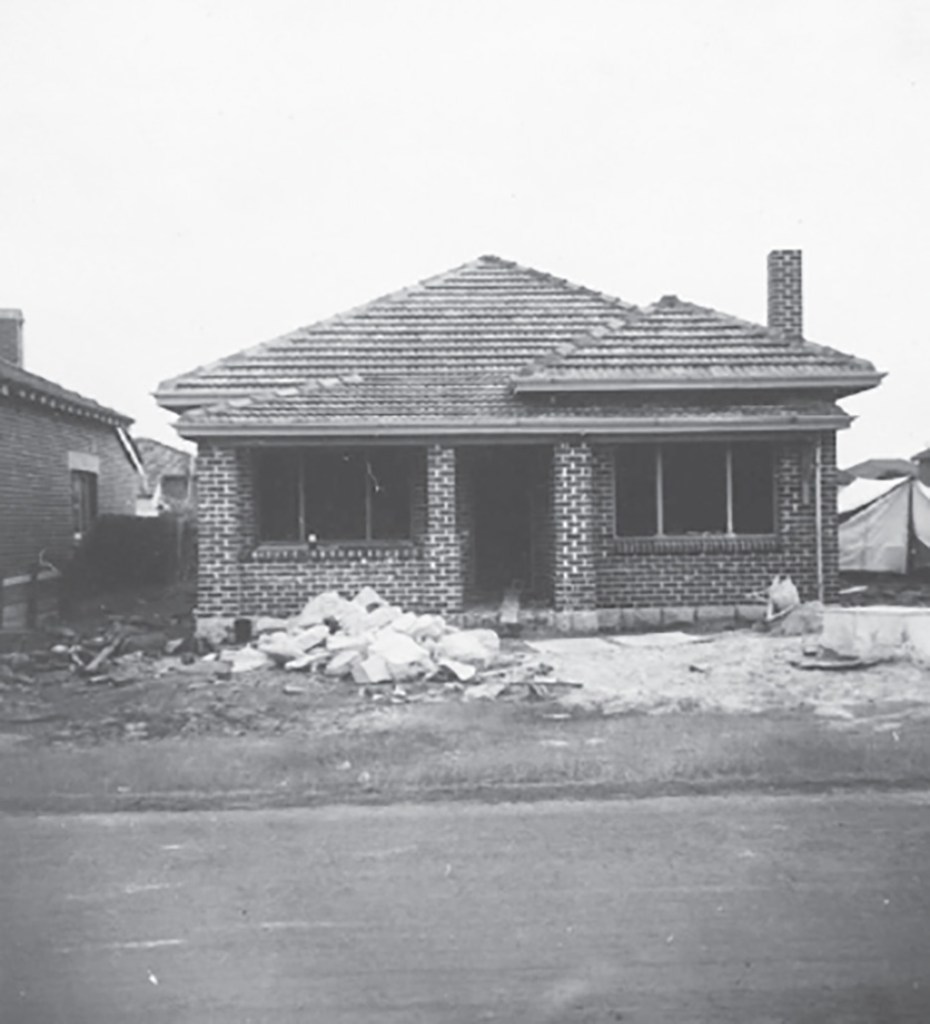
    • Peake family home at 91 East Street Mount Hawthorn, under construction by Plunkett builders, 1949. Photo from the Vincent Local History Centre archives (COV PH0928)

    IN this week’s tales from the past we have a collaboration with the folks from Vincent Local History Centre, telling of the Plunkett family’s long history in building the housing stock through Highgate and surrounds. It offers a snapshot of how people made do in tents waiting for their house to be built, a flow-on effect of the housing shortage from the construction ban during World War II as all materials were put towards the war effort. Plunkett Homes prepares to mark 120 years in business next year and they’re hoping to hear from people who live in their houses today. 

    THOMAS PLUNKETT started Plunkett’s Joinery in Smith Street, Highgate in 1903. 

    The family business branched out into home building in the 1920s and 1930s and the company played a key role in the residential development of Mount Hawthorn, North Perth, Mount Lawley and Highgate, as well as suburbs outside of Vincent including Claremont, Nedlands, Melville and Woodlands.  

    A couple of decades into Plunkett’s housebuilding venture, Australia was in the midst of a housing shortage crisis during and after World War II. Housing construction ceased as all resources were put towards the war effort. 

    In 1944 the federal government proposed a policy allowing a limited amount of construction, and Mr C.H. Plunkett welcomed the announcement in an interview with The Daily News: 

    “Commenting on the present housing shortage, and the proposal for quite extensive building programmes for certain public facilities, Mr Plunkett said that fundamentals, such as food, clothing and shelter must come before non-fundamentals.

    “He considered housing to be every bit as essential as food and clothing. Mr Plunkett praised the first report of the Commonwealth Housing Commission. 

    “For the first time, he said, the lower income group had really been catered for, and the first thought seemed to have been given to them.”

    By the 1950s, Plunkett’s opened their own timber mills, joinery and brickworks and were building over a 1000 homes per year.

    The Peake family of Mount Hawthorn were among the many Mount Hawthorn families who chose to build their family home with Plunkett. 

    Harold and Mary Peake lived in a tent next door to the construction site on East Street for six months while their home was being built in 1949.  

    Harold Peake who was interviewed by the Vincent Local History Centre in 2002 recalls: “Our house commenced being built by Plunketts in February 1949 and was completed in August 1949 at a cost of £1,700 for the house. In those days we paid £38 for the block… it took almost six months.”

    If you live in a home built by Plunkett, the company would love to connect with you as part of their anniversary celebrations.

    Either contact the Vincent Local History Centre or directly contact Lisa Marie from Plunketts on 9202 9090 or history@plunkettgroup.com.au

  • Charlie says
    • Charlie Tricoli (above) and his wife Rose started out with a humble lunch bar in Morley in 1967, before going on to open a huge 1700sqm fresh food market in 2005 (above).

    IS one of the best delis in Perth hiding in plain sight in Morley?

    It may not be in the trendiest location, but for nearly 60 years Charlie’s Fresh Food Market has been a firm favourite with locals.

    It all started back in 1967 when Charlie and Rose Tricoli bought a no-frills 65sqm store surrounded by bushland on the then quiet two-way Walter Road.

    Packed with fruit and veg, imported cold meats and cheeses, frozen foods and confectionary and cold drinks, the store was a big hit with migrants, who enjoyed the couple’s friendly chat as much as their Italian produce.

    In 1981 they opened a larger store and the second generation came onboard, expanding the range of goods with freshly sliced gourmet and traditional meats.

    But the family weren’t done yet and in 2005 opened a massive new 1700sqm store on the corner of Walter and Beechboro Roads.

    What makes Charlie’s Fresh Food Market unique? Well, it not only has an enormous deli with a fantastic range of meat, cheese and olives, but also sells everyday goods you need for the home.

    It’s a bold and very clever move – we all love shopping at the deli but it’s an extra trip on top of the supermarket for our regular day-to-day stuff, so why not kill two birds with one stone?

    Before I ventured into the food market, I visited Charlie’s Cafe at the edge of the store for one of their legendary continental rolls.

    On a Tuesday lunchtime, the cafe was buzzing with a mix of mums, pensioners, families, and tradies working on the nearby roadworks.

    There was a steady stream of people getting takeaway coffees and rolls, sandwiches and focaccia with mouthwatering fillings like Black Forest ham, mild sopressa, pastrami and Tasmanian camembert.

    But there was only one thing on my mind – Charlie’s continental roll ($7.80) The continental is a true test of any deli’s mettle and I was keen to get my choppers around Charlie’s, which was very reasonably priced.

    I could see why so many tradies were queuing up for one, as it was a hearty offering crammed with fresh veg, meat and cheese.

    It had that trademark continental taste with the mild salami, mortadella and chicken combining with the slices of thick creamy cheese.

    The chicken was a nice touch as normally you don’t get that in a continental, providing a light flavour twist.

    There was plenty of shredded carrot, tomato and lettuce, and the fresh roll was nice and soft.

    Next time I’d probably get some black olives and sun-dried tomatoes to take it to the next level, but it was a very enjoyable roll and the core produce was top notch.

    From the food market, I decided to get a beef cannelloni ($19.95) and beef tortellini carbonara ($16.95) to take home for the family dinner.

    After 40 minutes in the oven, both were ready to go, making it a no-fuss dinner for the family. The cannelloni was the standout with an intense and rich tomato sauce that kept you coming back for more.

    The soft beef filling was spot on and the pasta incredibly light and moreish. A top cannelloni.

    There was a lovely aroma of white wine, cream and garlic as I took the tortellini carbonara out the oven.

    “Lovely fresh pasta parcels with a delicious filling and plenty of flavour in that creamy sauce,” noted my wife.

    There was lots of “mmms” from my young kids, Bamm-Bamm and Pebbles, so it went down well with all and sundry.

    Next time you’re up Morley way, Charlie’s Fresh Food Market is definitely worth checking out, both for lunch in the cafe and goods from the deli.

    By STEPHEN POLLOCK

    Charlie’s Fresh Food Market
    Corner of Beechboro and Walter Roads, Morley
    charlies.com.au

  • Slick play 
    • Hayley McElhinney stars as May in the epic play Oil showing at the Heath Ledger Theatre.

    WTH the supply and cost of energy becoming a political pawn in Russia’s ongoing invasion of Ukraine, the play Oil has never been so relevant and topical.

    First released in London in 2016 where it wowed audiences and critics, the epic and ambitious play spans 160 years and examines the fall and rise of a crude oil dynasty, drawing comparisons with the collapse of the Roman empire.

    At the heart of the story is May (Hayley McElhinney) who we first meet in the depths of a cold Cornish winter in 1889, when the age of oil is just beginning.

    “A travelling salesman comes to the door and show her this new invention – the kerosene lamp,” says Oil director Adam Mitchell.

    “And then we are in Persia in the turn of the 19th century, then we are in modern-day Iraq, and from there we head off into the future.

    “As the popularity of oil spreads around our planet we chase May through time more than 160 years and it is really compelling.

    “It is a story of energy of our environment and of empire.”

    The play was written by Ella Hickson, a young British playwright, and premiered at London’s Almedia Theatre, a hotbed of new writing talent in the UK.

    “Almedia’s mission statement was to launch the next generation of British artists onto the world stage, and this is what happened with this play,” Mitchell says.

    The Australian production features 10 actors, 17 characters and more than 35 costumes, with the script updated to reflect changes in society and politics since its debut six years ago.

    “According to the playwright Ella Hickson, she had always wanted to write a play and to set it on an oil rig, looking at gender politics,” Mitchell says.

    “Her father was involved in the oil industry and so as a kid she was fascinated by it. 

    “As an adult she became increasingly interested in global warming and what was going to happen to the world as finite resources came to their end?

    “Would the market solve the problem? Would governments? Would humans have to react pre-emptively?” 

    “This thinking led to a play that asks ‘whether we ever really act selflessly – can we ever act beyond our own person interests in order to save our species or our planet?’, Mitchell said”

    As the decades pass in Oil, May successfully grows her petroleum empire, but difficulties with her daughter Amy (Abbey Morgan) intensify and become problematic as they head into a dystopian future. 

    Will family triumph over greed and money?

    Oil set and costume designer Zoë Atkinson says the play is deep and complex, but May and Amy humanise the story and provide an emotional anchor for the audience.

    “It charts the history of our relationship with oil in the west, and at the same time follows the journey of May and her daughter Amy over an impossibly long time span,” she says.

    “ It maps societal change and the way the character of May navigates the patriarchy; with issues that are thrown up around consumption, the capitalist economy and models of power and how these have shifted.”

    Mitchell says the epic play has something for everyone and covers everything from motherhood to geopolitics.

    Oil is everything great theatre should be; ambitious, exciting and brimming with heart,” he says.

    “Spanning empires and centuries, it takes us on a journey of big ideas in the search for light. It’s the kind of play that comes about once in a decade.”

    Oil is at The Heath Ledger Theatre in Northbridge from November 5 – 27. Tix at blackswantheatre.com.au

    by STEPHEN POLLOCK

  • Back in the know
    •Thomas McCracken (leaning on tree) and the cast of Things I Know to be True.

    STIRLING resident and WAAPA graduate Thomas McCracken is back on stage, this time in Melville Theatre’s production Things I Know to be True.

    Written by Andrew Bovell, the play is set in suburban Adelaide and follows the Price family over the course of a year.

    McCracken stars as Mark, whose parents Fran (Natalie Burbage) and Bob (Phil Barnett) see their four adult children move on with the own lives during that time, often making decisions the couple groan about.

    McCracken earned a diploma of Acting from WAAPA as well as studying at the Australian Film and and Television Academy under luminaries such as Cop Shop veteran John Orcsik. 

    His resume, which lists sword fighting as one of his talents, includes roles in productions and films such as Surfing the Web (2019) as Charlie, in The Importance of Being Earnest (September 2017, WAAPA) and the lead Jack in Between Wind & Water (May 2018, Agelink Theatre).  

    Director Vanessa Jensen first appeared on stage as an 8-year-old and directed her first show at 14. 

    “Things I Know To Be True examines family, and love, and moving on and looking back,” Jensen said. 

    “It has all the chaos and cohesion, loyalty and loneliness of a close-knit family. 

    “A friend recommended the play to me and, upon reading it, I immediately knew that, without a doubt, I just had to direct it. 

    “It truly is a beautiful play by an excellent playwright with honestly written characters who are easily recognisable. 

    “They are all loveable and yet flawed; strong and yet lost. I love a good, contemporary Australian drama and this one is outstanding.”

    Kalgoorlie-born Bovell reckons theatre has had a shake-up in the last decade to keep up with audiences.

    In his 2017 paper, Putting Words in Their Mouths: The Playwright and Screenwriter at Work, Bovell noted: “Australian audiences are not satisfied with a repertoire only of Coward, Chekhov, Ibsen and Shakespeare. They want new plays that tell their stories and reflect their lives. 

    “Box office results continue to prove that audiences favour contemporary work over the classics. 

    “There will always be room for both but contemporary Australian writing and the Australian canon need to remain the central purpose of our theatre.”

    Things I Know To Be True plays at: • 8pm October 28, 29, November 3, 4, 10, 11 and 12;

    • 5pm October 30; and,

    • 2pm November 6.

    Tickets are $23, $18 concession at http://www.taztix.com.au/event/melvilletheatre 

    Melville Theatre is at 393A Canning Highway (corner of Stock Road), Palmyra.