• Our heartfelt thanks

    A HEARTFELT thanks to all our Perth Voice readers who have responded to our campaign to Feed the Chook. It has been so encouraging.

    One of them was Andrew of Voiceland, a keen walker, who has reliably delivered The Voice right through the pandemic. He donated the whole of one week’s pay to help feed the Chook and for that we are very grateful. 

    In his email to us Andrew expressed his own gratitude to the Chook for not cutting his weekly wages when the Covid disaster struck and decimated so many of the advertisers the  relied on. See Andrew’s email below.

    To keep the Voice healthy and crowing we are asking readers to follow the lead of the British Guardian media outlet and a host of other news media and websites and make a contribution to keep responsible journalism alive and kicking, to governments accountable and fairness and social justice in the spotlight.

    To make your contribution simply send it to Herald Reserve, nab, BSB 086 217, Account 63-951-0124. Or you can mail it to Perth Voice, PO Box 85, North Fremantle, WA, 6158. We love getting letters.

    And we’d love to know who you are. Please send a remittance advice or any enquiries to accounts@fremantleherald. com or text 0438 933 300. And keep an eye out each week as we report on the success of this plan to get the Rooster crowing again.

    Let me help

    I READ your recent front page story “Help keep this Rooster laying”, calling for contributions to help keep the presses printing.

    I well remember the events of Black Friday, March 13, 2020 when hospitality, allied health, plus beauty and other businesses were made to close their doors. 

    This led to long queues outside Centrelink which prompted the federal government to put JobKeeper in place and to double Job Seeker unemployment benefits.

    Obviously you know better than me the effect on your small business advertising base with so many forced to close, resulting in a sharp decline in your advertising revenue.

    From my point of view I remember you kept my pay the same as it was prior to the pandemic lockdown.

    With this in mind the very least I can do is to donate what I earn today. I hope I can do this again in the future.

    Thank you to you and other owners, as well as to the journalist David Bell, Stephanie Campbell and Liz Parnov in Distribution as well as other staff for keeping the Rooster crowing.

    I hope there are others like me who would want to keep the presses turning. 

    I imagine one of many increases is the cost of newsprint. 

    A couple of years ago I was told by a business worker/owner who had been involved in printing that The Voice is printed on a high quality paper. 

    Best wishes.
    Andrew of Voiceland
  • Spring skating
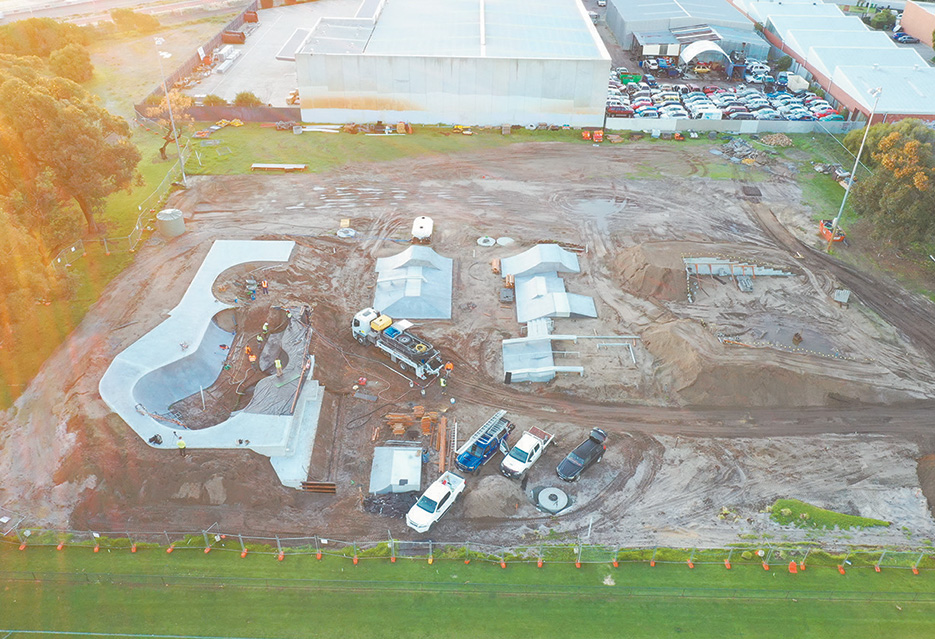
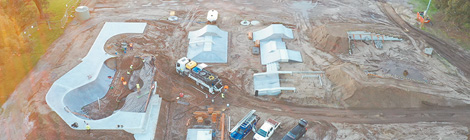
    • A drone’s-eye-view of the progress so far

    THE new skate and BMX park in Bayswater is on track for an opening in mid-spring, with construction going pretty smoothly so far.

    The original Wotton Reserve skate park had to be demolished to make way for the state government’s Metronet upgrades and the state’s paying $2.5 million to build a new one in the other part of the reserve, hauling over some of the old park’s ramps for the new one.

    Works started in April and before the rains came down this week workers were able to finish the earthworks, complete the quarter pipe and get most of the work on the skate bowls done, and now works start on the BMX jumps and horseshoe bowl.  

    Skaters and BMXers were originally concerned they might be left without a local skatepark if this project took too long to complete.

    Unless there’s more prolonged crappy weather it should be open in September, which is on the shorter side of the original five to eight months scheduled for construction. 

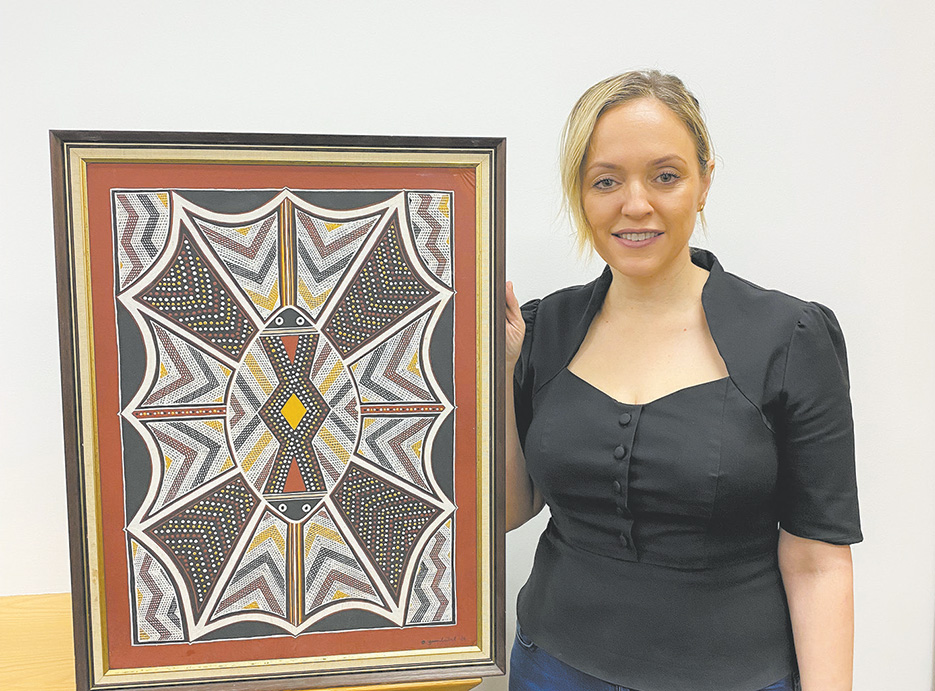
  • Lift for Noongar art
    Bayswater mayor Filomena Piffaretti wants to see more Whadjuk works in the annual art awards.

    WHADJUK Noongar artists are in demand as Bayswater seeks to diversify its art holdings with more local Aboriginal art.

    Bayswater council opens entries for its annual Community Arts Awards in September and to encourage more works telling Whadjuk stories there’ll be a new $5,000 acquisitive award for a work by a local Aboriginal artist.

    It’ll be the equal richest prize among the 10 award categories, matching the existing acquisitive $5,000 open award.

    Mayor Filomena Piffaretti moved the motion to create the new award in time for the 12th annual Community Art Awards, and got unanimous backing from councillors at their last meeting. 

    “I think it’s really important we support the creation of works produced by local Aboriginal artists, and give more opportunities for people to share the unique stories of WA’s Whadjuk Noongar peoples,” Ms Piffaretti said.

    “This new category will help to encourage the visibility, expression and preservation of traditional and contemporary Aboriginal cultures, communities and identities” in line with the council’s reconciliation action plan and its cultural plan. 

    The name for the award will be decided on after consultation with local Aboriginal elders.

  • Playground grime ‘thick and repellent’

    THE grungy state of Hyde Park’s playground has prompted a call for more cleaning to shear off the “thick deposits of oily scum”.

    Voice reader Damon James wrote in saying “my kids play at Hyde Park playground every weekend. Over the last 24 months, I have watched the disgusting brown grime on the park’s play equipment grow steadily thicker, darker and more repellent.

    Grubby hands

    “Whilst mud, dirt and duck poo in playgrounds is completely natural, thick brown layers 

    of human-based grime from thousands of grubby hands all touching the same piece of metal or plastic, is not.”

    Mr James said given the council closed down the playgrounds during Covid lockdowns for fear of airborne pathogens, “it is difficult to understand why they should ignore the thick deposits of oily scum built up on play equipment, that they clearly think is fine for our little children to handle”.

    He reckoned a decent degreaser and hot high pressure washdown should do the trick.

    We put Mr James’ complaint to Vincent council, and after staff went down to have a look they’ve decided step up the cleaning frequency.

    “We’re sorry to hear of this experience and always welcome feedback from our community,” mayor Emma Cole wrote back.

    “The City of Vincent’s current playground cleaning practice is for our graffiti team to pressure clean the equipment, which last occurred at the end of June following a request from a community member. 

    “After inspecting the playground this week, the Vincent Parks team has decided the current cleaning process for our very popular and high-use playgrounds, like Hyde Park, requires review and is working on a more intensive cleaning program. 

    “In the meantime, the Hyde Park playground will have a deep clean in time for the weekend.”

    Mr James suggested the much-cleaner handrails outside Vincent council chambers could serve as a benchmark. “I expect that complaints would roll in thick and fast if they looked anything like those found at Hyde Park.”

    by DAVID BELL

  • Laneway secrets
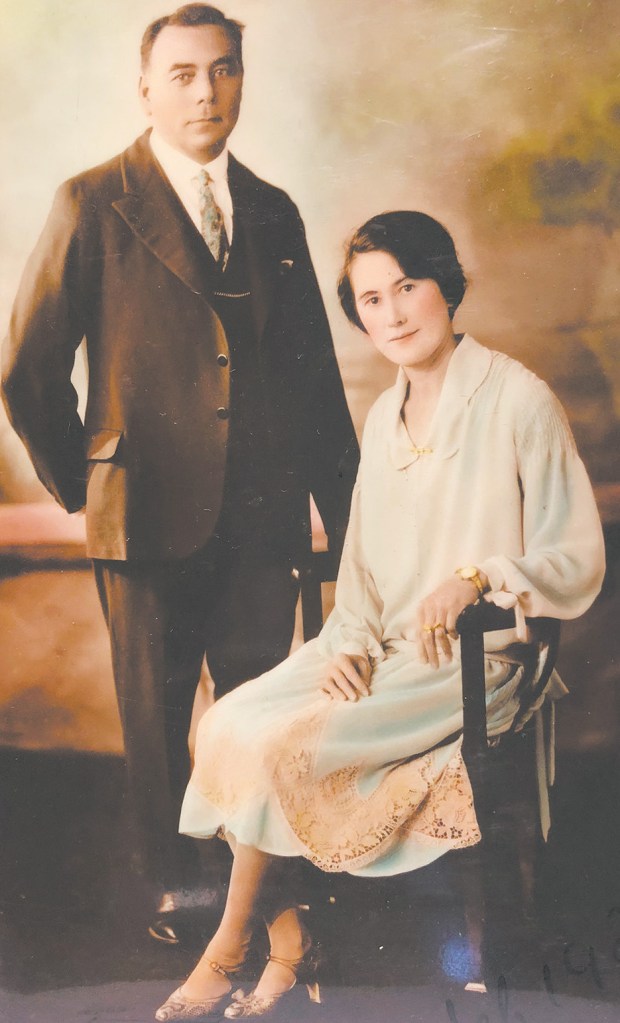
    Charles & Lillian Washing. Photo courtesy of Val Corey.

    THIS week marks the return of our regular local history page, detailing tales dug up by the historians at the Vincent Local History Centre. This week we hear the story behind David Kennedy’s book Charles Washing & Racist Furniture, a saga based on what he discovered unearthing his family’s long history in Northbridge and rediscovering his family’s forgotten Chinese heritage.

    PERTH’S laneways contain a wealth of hidden stories. 

    Washing Lane, which runs parallel to Newcastle Street between William and Lindsay streets in Northbridge, is no exception.

    The City of Vincent recently announced part of Washing Lane could be closed to traffic to make it more pedestrian friendly — a decision that renewed interest 

    in the history of the area and its namesake.

    Washing Lane was named in 2003 after Washing Bros — a family-owned furniture making business that operated in nearby Newcastle Street.

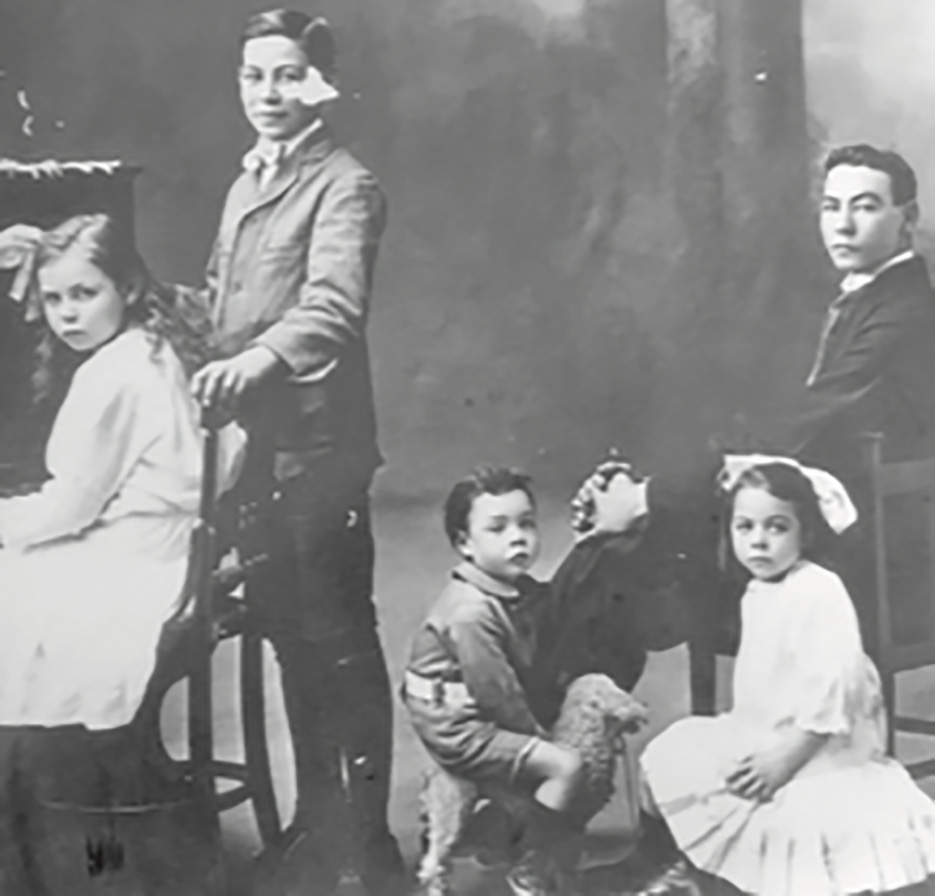
    The family business was established by brothers Alfred, Charles, Ernest, Frederick and Albert Washing, the sons of British-born Louisa Myers and Chinese-born Wah Shing, who migrated to Victoria in the 1850s.

    After working on the Victorian goldfields, many Chinese-born migrants like Wah Shing (who anglicised the family name to Washing) turned to furniture manufacturing as a new source of income.

    Charles Washing & children Geraldine, Albert, Gwendoline & Frederick. Photo courtesy of Val Corey.

    In the early 1900s, the Washing family saw fresh opportunities spurred by the Western Australian gold rush and relocated their business to Perth.

    Washing Bros operated from 1898 in a variety of locations including Lord, William and Murray streets, moving to 321-333 Newcastle Street in 1924.

    The Newcastle Street factory was destroyed by fire in 1953 and the business relocated to 35 Eton Street in North Perth until 1968.

    “The company was noted for the quality of their craftsmanship,” explains David Kennedy, the great grandson of Wah Shing and grandson of Alfred Washing.

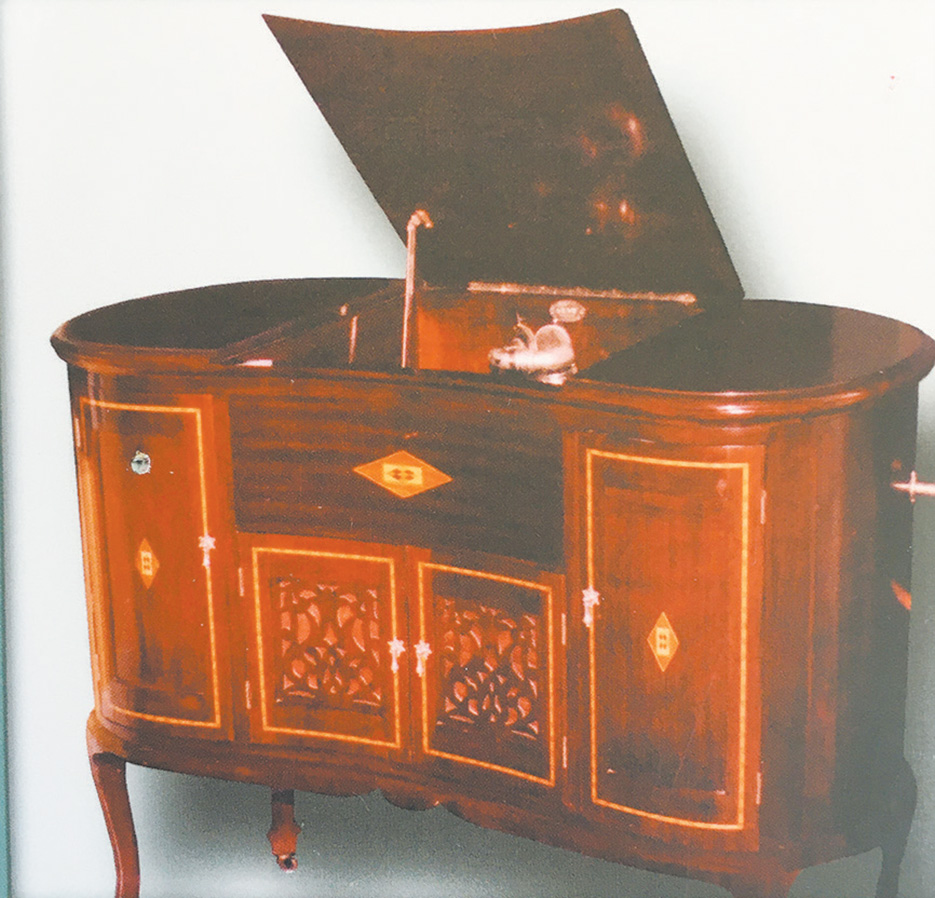
    “They made and restored all kinds of furniture and speciality products like radio cabinets, gramophones and truck beds. They even decked out the New Oxford Theatre.

    Washing Bros gramophone. Photo courtesy of David Kennedy.

    “All this at a time when, under the Factories Act 1904, furniture had to be stamped ‘European labour only’ or ‘Asiatic labour’ to encourage buyers to preference or blacklist manufacturers according to their race.

    “Washing Bros prospered in spite of the racist White Australia policies which restricted further Chinese migration and tried to stop Asian migrants from working in particular industries like furniture manufacturing.

    “Sadly, our Chinese heritage was hidden from us for most 

    of our lives. The only thing my mother was prepared to tell us was that our grandfather was half-caste Chinese who worked alongside his brothers at Washing Bros furniture factory.”

    After their mother’s death, David and his brother Michael embarked on a mammoth research project to learn more about their family’s hidden history.

    The research culminated in the publication of his captivating family saga, Charles Washing & Racist Furniture.

    David, together with historian Kaylene Poon, will be speaking about his family’s history and the difficulties facing early Chinese migrants at the City of Vincent Local History Centre at 10am on Wednesday 17 August.

    The talk is free. Limited bookings at local.history@vincent. wa.gov.au or 9273 6090.

  • A burst of Djilba
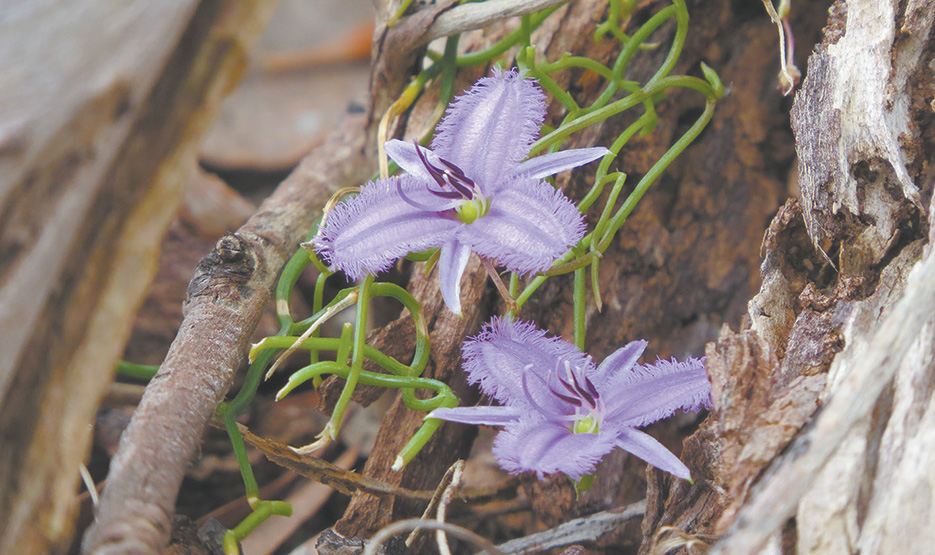
    • The delicate fringed lily.

    DJILBA’S here and the Friends of Coolbinia Bushland are inviting the public down to enjoy the wildlfowers, learn some expert Noongar knowledge, and hopefully sign on to help restore the pocket of remnant bushland. 

    Djilba is the Noongar transitional season of clear cold days mixed with warm and windy days, and it doesn’t have a set yearly start date but is marked by the explosion of flowering plants across the southwest. 

    During Djilba the Coolbinia bushland rolls out a carpet of brightly coloured wildflowers and orchids. The land is home to about 80 species of native plants and a lot of birds, reptiles and bugs, and provides a habitat for the endangered red-tailed cockatoo.

    The Friends of Coolbinia Bushland was founded many years back then revived in 2020 by a new group of volunteers who wanted to protect the Bradford Street remnant bush, and with some state and federal funding they’ve been working hard to clear out pernicious invasive weeds that’ve been giving the native plants a hard time. 

    They’re inviting folk down for their open day on Saturday August 27 from 1pm to 4pm for wildflower walks and expert talks to learn Noongar knowledge and hear from expert guides about how to spot tiny details of hidden biodiversity. 

    During June the Friends were helped out by students from the neighbouring Coolbinia Primary School (which owns the land), planting 400 native seedlings. The plan is for every student to have a tree or shrub to plant every year.

    Now they’ll need regular watering and more hands to keep the ever-expanding weeds at bay, so they’re hoping more volunteers are inspired to sign up.

    The walks and talks and an afternoon tea on August 27 are free but register a spot via www. trybooking.com/CBCXC

    by DAVID BELL

  • Staff told to make move on loos

    PERTH’S CBD toilet shortage is getting desperate and new public dunnies are in the pipeline.  

    The lack of public loos is a longstanding issue in the city, with private businesses unhappy at always having to pick up the slack, but there’s been little action taken.

    Perth council has an impressive multi-million dollar public toilet plan that’s mostly been gathering dust for a decade. 

    At last week’s council meeting the issue came to a head and Cr Brent Fleeton moved a motion saying it was time to find a spot to build a new toilet, rather than follow the council staff’s recommendation to spend another year reviewing the current toilet plan. 

    He said the council’s collected some $1.25 million from ratepayers since mid-2018 without actually delivering a new toilet.

    “We all know the CBD retail precinct needs something like this. 

    Delay

    “Given the years of delay and the money taken, I think we should at least start the process to identify a site.”

    Cr Viktor Ko seconded the motion, saying new loos would ease the burden on businesses whose bathrooms (or nearby alleyways or shopfronts) are currently being used by non-customers.

    Councillors unanimously backed the plan requesting staff find a spot for a new toilet and baby changing rooms around the city mall area, consult with nearby traders, and get building within this financial year. 

    The original public toilet plan was ratified in 2012 at a cost of $2.8m, and eventually led to a trial of a pop-up urinal in Northbridge four years later. 

    The plan got an update in 2021 as part of the council’s push to be more LGBTQI+ friendly.

    That revision included a policy direction to install more all-gender bathrooms like the auto-loos, but that hasn’t yet led to enough toilets being installed.

    by DAVID BELL

  • Putting down roots

    Researchers from the University of Western Australia have been looking at the impact trees have on making home ‘home’ after surveying . Harrison McGrath, Dr Cristina Ramalho, Professor Erik Veneklaas, Dr Tim Kurz, and Emeritus Professor Carmen Lawrence recently released the report after a survey of Perth residents. We should point out the report which has helped Mr McGrath earn his Masters.

    FEELING attached to where you live may improve your health, relationships, and life satisfaction.

    But Australians are some of the most mobile people in the world and with so much change it’s easy to feel out of place. 

    So if you’re looking to settle down and get invested in a place, consider planting a tree. 

    Why? Well it just might help you to put down roots!

    At least that’s what results from our recent study of Perth residents seem to suggest. 

    We found that residents’ attachment to their homes, streets, and neighbourhoods is influenced by the trees in each location. Higher levels of canopy cover were consistently linked with people feeling more ‘place attachment’.

    Place attachment is a term for the emotional bonds we form to places. 

    Just like we bond with people or other animals, we can also form bonds to meaningful places. 

    But how do trees influence place attachment? Well that’s where things get interesting!

    Creating a ‘sense of place’

    It’s not a direct link from trees to place attachment. 

    The important connecting piece seems to be residents’ satisfaction with the ‘sense of place’, a term closely related to place attachment that is used to describe the character or atmosphere of a location. 

    The trees seem to create a stronger sense of place, which in turn leads to higher place attachment. 

    But some authors worry that our sense of place itself may be disappearing.

    Globalisation, increased mobility, and environmental disasters can all strain our sense of place. 

    They can even threaten the very existence of these places. Authors Edward Relph and Marc Augé have both explored this disappearance of place.

    They suggest the modern era creates places that lack character, causing a ‘shallowness’ of experience. Something that new suburbs are often criticised for.

    These concerns beg the question, if there is no ‘place’ can you still feel attached to it?

    Luckily, our study suggests that urban trees may offer a solution to creating and maintaining a sense of place in our cities. 

    Building a sense of place is often a goal of cities’ urban forest plans, so it’s nice to see this reflected in our findings. 

    We also found that sense of place is influenced less strongly by tree health, maturity, number of species, and whether the trees are native to the area. 

    We have a complex relationship with trees, so you never quite know if you’ll find what you’re expecting to…

    Some unexpected results

    One surprising finding is that ‘having a say’ in the trees that exist around your home and verge is particularly important. 

    People who feel like they have agency are more attached and they feel their trees are healthier.

    We also asked people whether the trees cause problems such as dropping litter or damaging buildings. 

    But compared to the benefits the trees provided, the downsides have little impact on people’s place attachment.

    Over 600 residents voiced their opinions about trees in the online survey. 

    The survey focused on the benefits trees can provide, but many residents left additional feedback expressing their worry about losing trees to redevelopment.

    “I wish there was somewhere in the survey to comment on how I felt about the destruction of the trees in my neighbourhood (due to building over the entire block and infill). … I am increasingly less satisfied. I strongly feel 

    the councils should have a tree preservation policy.”

    Looking forward

    We hope that these results will help local governments to make informed decisions when they’re managing our urban trees. 

    Our results suggest that trees play an important role in shaping both sense of place and people’s place attachment.

    We hope these psychological and emotional benefits that the trees provide will be fully considered. 

    Decisions that authorities make today will have lasting impacts for both the environment and the people who live in these places.

    We’re now digging into whether specific tree species have more of an influence than others. 

    Hopefully these findings will lead to urban trees that provide more benefits and fewer drawbacks for residents.

    We’re hoping these findings will assist local governments, but there’s nothing to stop individuals from taking advantage of them too. 

    So if you’re putting down roots somewhere, plant a tree, because it looks like your attachment will grow with it!

  • Time to got our foot off the gas

    MARY GRAY is an environmental scientist who was awarded the OAM in this year’s Queen’s birthday honours for her service to conservation and the environment. In this piece she reminds us gas is a fossil fuel and has some thoughts on how householders and government ought get out of gas.

    WITH so much media attention focusing on the shortage of domestic gas supply in the eastern states, but which is not the case here in WA, it is poignant for us in the west to consider our domestic use of gas, especially in cities and towns. 

    It is well recognised that climate action is needed across all sectors. 

    Gas is a fossil fuel and it needs to be replaced by renewable energy.  

    As individual householders, we can each act to reduce our use of fossil fuels, and thus contribute to climate action by reducing emissions.

    Do we use gas for our kitchen cooktops, for hot water heating, or for room heating? 

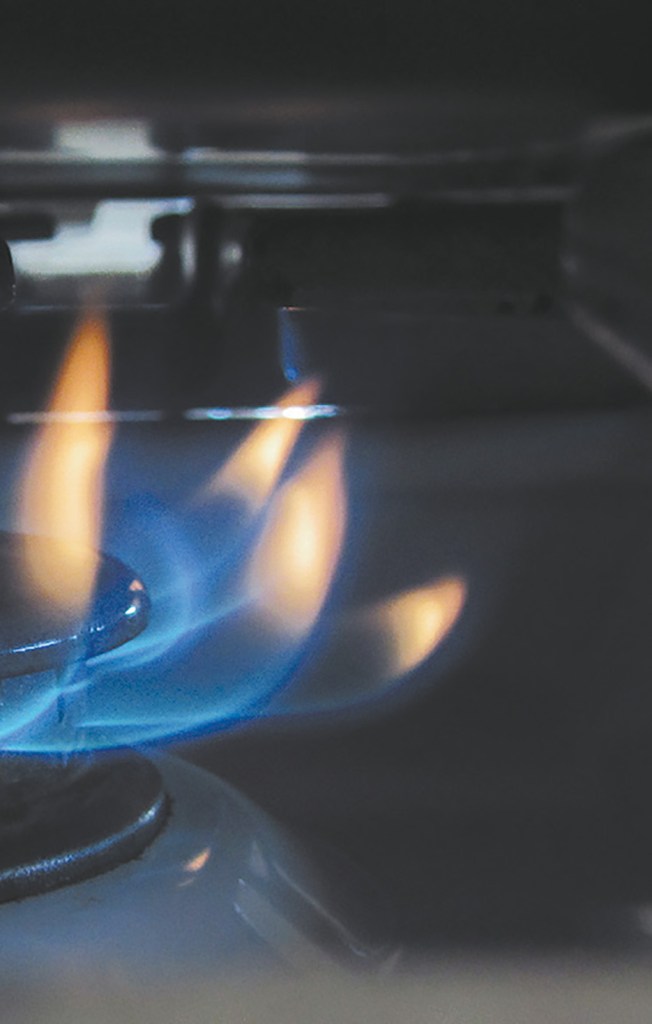
    The only use of gas for many householders is for gas cooktops. Notably gas use also produces some polluting emissions that are harmful to human health, so good extractor fans and ventilation is essential. 

    This is especially so for young children, but many parents are unaware of this.  

    It is time to change and remove gas cooktops and replace them with electric cooktops. 

    Notably the popular induction cooktops, which when in use do produce an electromagnetic field immediately around them which is not good for our human bodies. Ordinary electric cooktops do not have this problem.  

    Installing solar hot water units can replace gas hot water units.

    After the initial capital cost, they supply free hot water, and only need an electric boost sometimes in winter.

    Gas heaters seem to have gone out of fashion.

    They too produce indoor emissions that are harmful to human health, so on these grounds alone are not acceptable. Most premises now use reverse cycle air conditioners.  

    So for those householders who only have gas cooktops, ‘getting out of gas’ by switching to electric cooktops is an easy option to help reduce our collective community emissions.  

    Cafes

    Local cafes should also make this shift which will benefit air quality for their chefs and kitchen workers, as well as patrons seated nearby.  

    If each household in a suburban street collectively joins the move to ‘getting out of gas’, and shifting to all electric appliances, the whole street can be cut off from gas supply.

    Also adding solar panels and solar hot water services will help the shift to 100 per cent renewables.

    Given that the City of Vincent has declared a “climate emergency”, it would be fitting for the City to encourage and support these moves, and also to do the same on their buildings. In approving renovations to houses, commercial premises, and for new buildings, gas appliances should not be permitted and indeed be expressly prohibited. 

    Solar panels on rooftops should be required to be installed.  

  • A for plan B 

    A FREMANTLE restaurant  open and fully booked on a Monday lunchtime?

    Normally you’d file that one under unicorns or the Eagles winning a match.

    But I can confirm on Monday, Tonic and Ginger at the Old Synagogue was full and I was left astounded and red-faced for not booking.

    It’s a reasonably big venue and has been open for quite sometime, so it wasn’t just the hype of a new place in town.

    It’s great for Fremantle and hopefully a sign of things to come, assuming the Aussie economy doesn’t completely flatline. 

    Thankfully Mr Chapple, another eatery in the Old Synagogue was open, so my dining partner Jenny D’Anger and I decided to make it plan B.

    In my brain I had compartmentalised the eateries at the Old Synagogue into Tonic and Ginger (fine dining) Arbor (pub grub) and Mr Chapple (breakfast) but Mr Chapple also do bar bites.

    When I read bar bites my heart sank – usually it means overpriced, pretentious food and small portions.

    So would Mr Chapple prove me wrong?

    Compact range

    The menu was divided into land, sea and garden with a compact range of delicious sounding dishes including don bocarte white anchovies in cider vinegar, chicken satay skewers, beef and thyme sausage rolls, pumpkin and chive arancini, freshly shucked oysters and Szechuan spice pork belly bites.

    It’s slightly ironic that pork belly is being sold at a venue that was once the first synagogue in WA – I can just see furious rabbis running down the Cappuccino Strip, clutching their torahs, in disbelief.

    I liked how the menu wasn’t just dainty morsels and had some hearty items like sausage rolls and chicken wings. A nice mix that would placate the tradies and the tycoons.

    It wasn’t long before the waitress was back with our two ‘garden’ dishes.

    “The chargrilled octopus salad with salsa verde ($21) was the perfect mix of super tender chunks of melt-in-the-mouth flesh and a flavoursome blend of greens,” Jenny enthused.

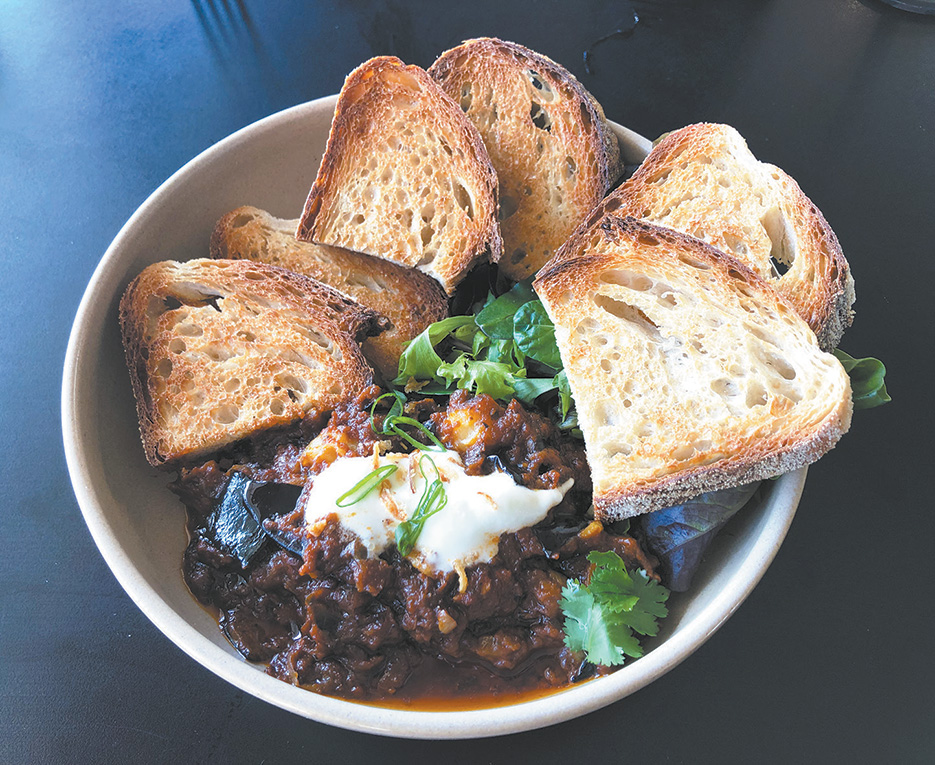
    “But the stand-out dish in an impressive luncheon lineup was the Marrakesh eggplant with tomato sugo and labne ($18)”

    “It came with salad and toasted woodfired bread, which like Goldilocks’ porridge, was just right – warm and golden with the perfect amount of crunch to soak up the decadently oily mix of aubergine and sugo.” 

    The pumpkin and chive arancini ($13) was equally as good; three big balls of gooey indulgence with a lovely crisp, light batter.

    I’ve had some arancini that were as dense as a neutron star, but these were light and packed with flavour.

    The shaved manchego cheese was a lovely touch and a sign that some culinary love had gone into the dish.

    Rounding things off were the salt and pepper squid with herb mayo and lemon ($16).

    There was nothing wrong with the squid, which had a gorgeous light coating and was melt-in-the-mouth, but after the strong flavour punch from the eggplant and the other dishes it all tasted a bit bland.

    Mr Chapple was an amazing, delicious fellow and made me reassess my prejudice towards bar bites. 

    I’ll be back to try their brekkie dishes and I’ll definitely book a table for Tonic and Ginger in the near future.

    Mr Chapple (The Old Synagogue)
    92 South Terrace, Fremantle
    theoldsynagogue.com.au/mr-chapple