• A few extra strings

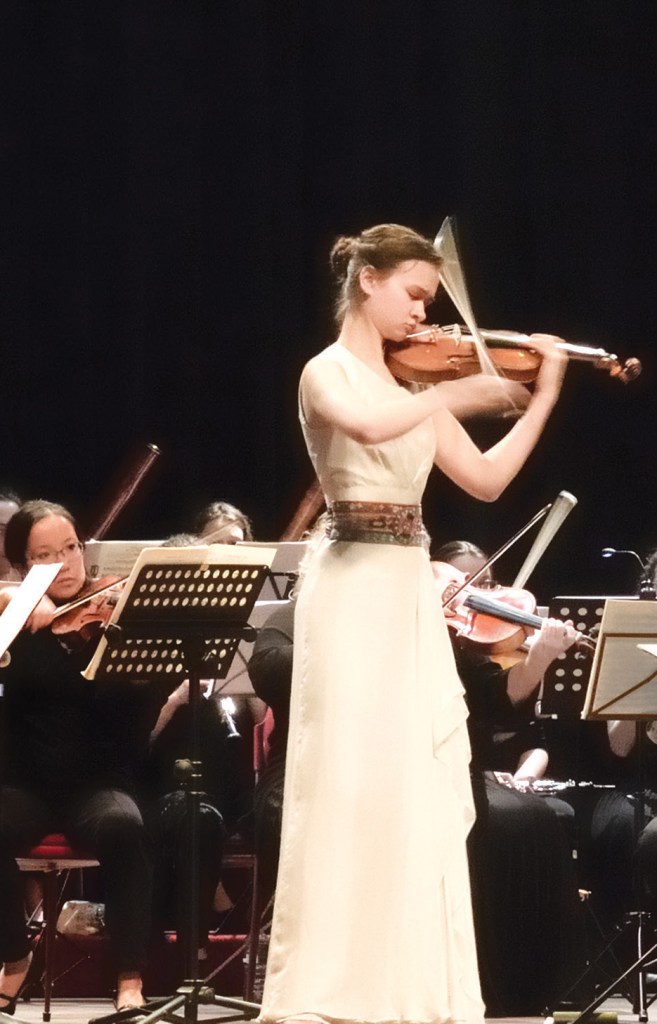
    VIOLINIST Emily Leung will bring Mozart’s Violin Concerto No 3 to life in two concerts June 25 and 26 with Fremantle Chamber Orchestra. 

    Leung made her soloist debut with FCO at 15 and has since performed to great acclaim. 

    When she was 11, Emily attended master classes with visiting Dutch violinist Rudolf Koelman who identified her prodigious talent.

    Leung was a Wells Scholarship recipient and winner of the Tingleman Award in the 2018 Melbourne International Violin Competition, while showing she’s got a few extra strings to her bow she’s currently studying medicine at UWA.

    The concerts are Saturday June 25 at Government House Ballroom on St Georges Terrace and Sunday June 26 at the Fremantle Town Hall, both at 3pm. 

    For tickets call 0438 933 250 or purchase them at the door

  • Dowding calls for bugging commission

    FORMER WA premier Peter Dowding says the “disgraceful” secret trials of a whistleblowing Australian spy and his lawyer need to be examined by a royal commission or federal corruption watchdog. 

    Known as Witness K, the former Australian Secret Intelligence Service officer and his lawyer Bernard Collaery were charged in 2018 with conspiring to reveal classified information over their alleged roles in exposing Australia’s bugging of its friendly and impoverished neighbour Timor-Leste during 2004 negotiations to divide the resource-abundant Timor Sea. 

    In an ongoing four-year saga the federal Department of Public Prosecutions has pursued a “secret trial” against the pair, on the basis the charges were too sensitive to Australia’s security to be revealed.

    “They wouldn’t give [Mr Collaery] or his lawyers documents,” Mr Dowding said.

    “After two years of repeated applications the department showed him some of the material which was the basis of prosecution but his team had to fly to special offices in Sydney to read it and they were only shown selected material.”

    Last month Mr Collaery had his latest application for access to more information knocked back; he’d argued the documents could have shown the spying against Timor-Leste was unlawful which would undermine the charges against him. The ACT supreme court disagreed, saying the Federal government’s actions were irrelevant to his case.

    But Mr Dowding, formerly a barrister himself and a self-described “civil libertarian”, says the possibility ministers or public servants were breaking the law underlined the importance of Australia having a federal corruption watchdog, currently a hot election topic given the Morrison government promised one before the last election but failed to deliver it.

    Mr Dowding believes the bugging breached international covenants which Australia was obliged to follow.

    “The covenant would be that you have no right to bug private discussions of another government,” Mr Dowding said.

    “But there was also the conspiracy … effectively to defraud East Timor … and in international law there is an offence in relation to that.”

    Mr Dowding also criticised former attorney general Michaelia Cash for continuing the prosecution which was signed off by her predecessor Christian Porter before his fall from grace.

    Senator Cash maintained she was simply following due process and any intervention would amount to political interference – a claim dismissed by Dowding as “bulldust”. 

    Mr Dowding is not alone in his views, with prominent ACT lawyer Greg Stretton last year criticising the “shameful apathy” of the Australian legal community in regards to the trial. Alongside Mr Stretton is former Victorian Labor premier Steve Bracks, who likewise labelled the prosecution “political”.

    Mr Dowding says the issue of security is a furphy: “If there are matters of high security, surely they can be kept to one side,” he said.  

    The Morrison government spent $3.7m in legal fees prosecuting Witness K and Bernard Collaery and trying to defend its right to have secret hearings. About three months ago, still not knowing what charges he faced, Witness K, now aged in his late 70s, gave up.  

    “He’d had enough, he was in a depression, he was old, he couldn’t manage it,” Mr Dowding said.

    “He just said ‘whatever it is, I plead guilty’. He got a six month suspended sentence. That was it. Like a really bad traffic offence. After all of that hoo-ha.

    Mr Dowding said there were other examples of the Howard government’s “perfidy” during East Timor’s fight for independence and subsequent negotiations with Australia that have never been explained.

    “In its negotiations for the treaty with Timor, which was a lengthy document, there was one tiny change,” Mr Dowding said. 

    “That was the definition of oil and gas. The definition included ‘inert gases’ and the Australian government removed the reference to it. As a result of that, no Australians get a benefit from the helium, an American company gets the benefit.” 

    Mr Dowding says the motives and full implications of the tweak to the document are not clear, but that “it was clearly part of a really major plot which has never been properly revealed”. 

    Mr Dowding says the Howard government under former foreign affairs minister Alexander Downer appeared to have acted in the interest of private enterprise instead of the Australian public and needed to be held to account.

    Australia’s new attorney general Mark Dreyfus has said he’s already been briefed on the issue and there are “levers” at his disposal, he stopped short of outling what action he could take or directly addressing the substance of the case against Mr Collaery. 

    But in Opposition he had spoken out strongly in support of the lawyer, saying he’d seen no evidence on how pursuing him had been in the public interest.

  • Brave run
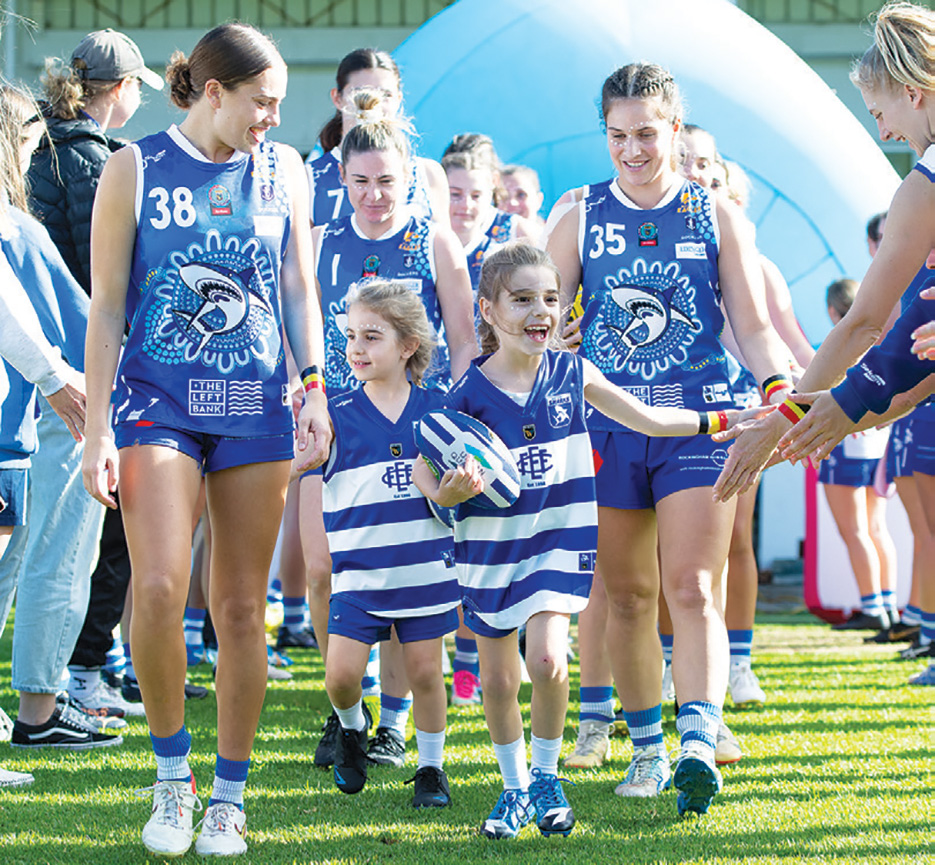
    Ariella (with the biggest smile) runs out onto the WACA with the East Fremantle Football Club women’s team.

    THE East Fremantle Football Club weren’t just kicking goals to get top of the ladder when they ran out for their first home game at the WACA last month.

    Apart from demolishing Subi 90 – 46, the Sharks helped raise awareness and topped up the coffers of a foundation supporting people with a rare genetic condition.

    Joining the women’s team’s run out onto the field was seven-year-old Ariella Italiano, who suffers from the TBC1D24 Mutation; it’s so rare only 120 or so people are diagnosed globally each year.

    According to the TBC1D24 Foundation, mutations in the gene can cause epilepsy, deafness, shortened nails, fingers, and toes. 

    It may also cause low muscle tone and developmental delays in babies and toddlers. 

    The foundation has only been running a little over two years, but fundraising efforts are starting to pick up; it’s almost hit the $50,000 mark just months after clicking over $20,000.

    A good part of that was the $9000 the Sharks added to the tally.

    Ariella’s mum Brooke Italiano was thrilled by the support from the footy club.

  • Time to tackle abortion stigma

    SARAH HULT and LILY McAULIFFE are founding members of the Fremantle-based Abortion Project, a pro-choice movement which seeks to destigmatise discussions about abortion and provide peer support for the many people who have experienced one.

    1 in 4 to 1 in 6 people with uteruses have had abortions in Australia. You may have had one, or someone you know has. It is incredibly common, yet still silenced and stigmatised in our community. 

    In Australia, all states have decriminalised abortion. However, people seeking abortion still face a number of barriers. Issues with access, stigma, silencing and compassionate aftercare permeate our abortion system. At The Abortion Project, we aim to change this. 

    We are The Abortion Project, a pro-abortion, pro-choice community-led organisation established here on stolen Whaduk Noongar land, Walyalup.  We are a collective of queer feminists and we even have hairy armpits. First and foremost, we are a peer support group for people who have had abortions. 

    At The Abortion Project, we talk about relationships, support networks, conceptualisation of the foetus and experiences with medical service providers. We talk to bodily loneliness, the power of choice, physical pain, hormonal transformation, and anything else. 

    Having a structured group to talk about these experiences has been profound in knowing we are not alone. At The Abortion Project, we have laughed, cried and supported each other through discussions we could never have had the courage to explore individually. 

    Abortion discussion is rare in mainstream Australia. It is silenced at all levels in our culture – collectively, systematically, relationally and individually. This silence is due to abortion stigmatisation. 

    The Abortion Project is here to challenge this – by breaking the silence and bringing together a community who are dispersed. 

    Abortion in an ancient medical procedure. 

    Abortion documentation in Egypt is some of the first and oldest written medical texts in the world. 

    Indigenous groups have been practicing pregnancy control and abortion for thousands of years. 

    It is ancestral, it is normal. 

    This means it is highly likely that someone you love will have an abortion in their life. 

    Yet, patriarchal influences on our bodily autonomy have a profound impact on how we express, collectivise and process our experiences of abortion in Australia. These same patriarchal influences have eroded the Roe v Wade decision in America. 

    Australia is not immune to the influence of the Roe v Wade decision. 

    Recently in Perth, there was an anti-abortion rally that drew crowds of over 1000 people. 

    We still have highly influential politicians advocating anti-abortion rhetoric. We still have religious groups lobbying for a roll-back of abortion protections. 

    The Roe v Wade erosion is the result of slow legislative change over a number of decades. 

    It did not exist in a vacuum and is backed by strong Republican ideology. 

    Although the political landscape in Australia is different, we still need to be on guard. 

    We need to be attentive in recognising any changes that are made to abortion laws. 

    We need to focus on destigmatising abortion and creating better access. 

    What is happening in the USA at the moment is not something that happened overnight. 

    In the context of Australia, it’s hard to say what exactly is going to happen, but one thing is certain: we must stay vigilant. 

    For us here in WA, we must ask ourselves, to what extent to our current laws serve those in our community seeking and having abortions? 

    At the end of the day, people will always have abortions.

    We have for thousands of years, and it will continue.  

    Laws are the difference between having a safe and legal abortion, or not.  

    If Roe v Wade is overturned, people will die, become seriously injured, and/or criminalised. Is this the kind of society we want to emulate? 

    For us, the best thing to come of Roe v Wade is that abortion is in the public discourse. 

    The Abortion Project is here to raise awareness on the issues we face here in Western Australia. 

    We need better abortion after-care. We need spaces to shout our abortions. 

    We need people to talk about abortion. 

    To know the barriers. 

    To know how to support someone going through an abortion. 

    On June 25 The Abortion Project is holding a fundraiser to continue our group, and raise funds to advocate for abortion access and care. 

    There will be music, food, drinks and a silent auction. 

    Please come and support our cause. 

    If you have had an abortion, or you are interested in learning more about how you can support abortion in Western Australia (including our fundraiser) – you can find us on instagram @the.abortionproject or on Facebook – The Abortion Project.

  • Salutary spice


    WITH covid hitting the house for six, we were in takeaway mode.

    It’s been a rough couple of weeks and as my wife remarked, the only upside of covid is that she can no longer smell our dog’s farts. 

    But, I must say, God bless technology.

    Choosing from umpteen varieties of cuisine and getting food delivered to your doorstep by pressing a few icons on your phone is like being a character in The Jetsons.

    Remember the old days when you would phone for a pizza, wait eons for a stoned drongo to answer, then have it delivered hours later by a guy on probation in a souped-up Commodore, only to find it was stone cold with the wrong toppings. Ah, the memories.

    I decided to ordered a curry from Divine Indian Restaurant in Alfred Cove, just down from KFC on the corner of North Lake Road and the Canning Highway.

    The menu was reasonably priced and had a nice range of chicken, lamb, beef, seafood and vegetarian dishes.

    I liked how they offered slightly less mainstream dishes like dhansak (a lentil-based curry) and an extensive variety of tandoori breads (aloo kulcha, keema naan) and rice (jeera pulao, chicken biryani).

    Most ruby murries were under $20 which is pretty good value these days.

    To kick off the Indian feast, we all shared a Maharaja Indian Platter ($24.90).

    Highlights included the fish pakora, which were actually fillets in a tikka batter instead of minced balls.

    I normally steer clear of fish in Indian restaurants, but this was good quality with a subtle heat; a nice light start to the meal.

    The vegetable pakora were equally impressive: very tasty with a medley of fresh vegetables.

    Things tapered off with the seekh kebab, which had fragrant spices but was a bit tough, and the malai chicken tikka had a weird smoky aftertaste.

    Rounding things off were two prodigious samosas, which were tasty and very filling.

    Overall the shared entree was good value, but a bit hit-and-miss.

    After a quick drink of water, Bamm-Bamm and Pebbles were getting tore into their chicken korma ($19.95).

    There were no cries for milk or water, so it was relatively tame and suitable for younger kids.

    I had a taste and the tender chicken was submerged in a nice thick, creamy sauce. A tasty and comforting korma.

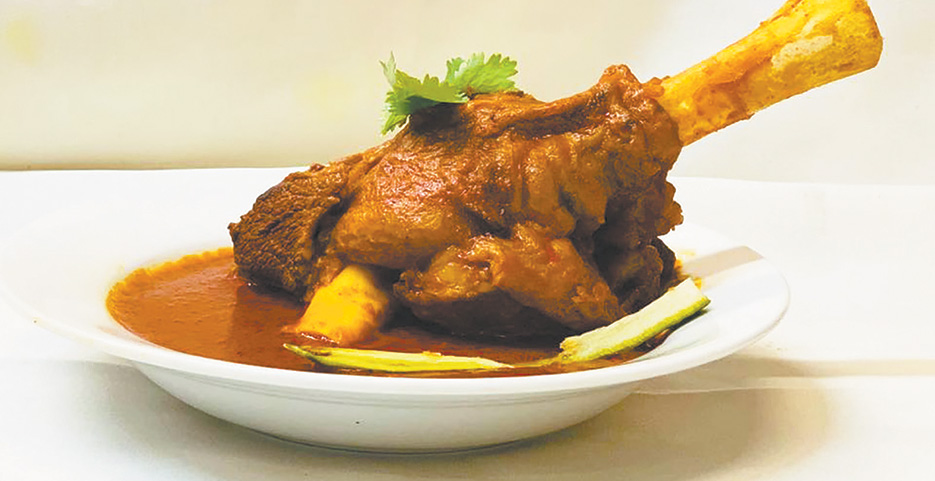
    My chicken dhansak ($19.95) tasted lovely with heaps of lentils and a rich viscous sauce. 

    Only one problem – I had ordered the lamb version. 

    Remember what I said about technology, I take it all back.

    It was so nice I just kept going and really enjoyed the accompanying peas pulao rice ($8.90 serves two) which had a fragrant blend of shiny peas and spices.

    Did Divine Indian Restaurant banish our covid blues and take us to foodie heaven?

    Not quite, but the curries were definitely great value and very tasty, and some of the starters hit the heights too.

    As I basked in my post-curry glow, I shovelled the left-over samosas into our dog’s bowl.

    Well, it’s a cheap alternative to my wife taking a RAT…

    Divine Indian Restaurant
    575 Canning Highway, Alfred Cove
    divineindian.com.au

  • Steppeing out
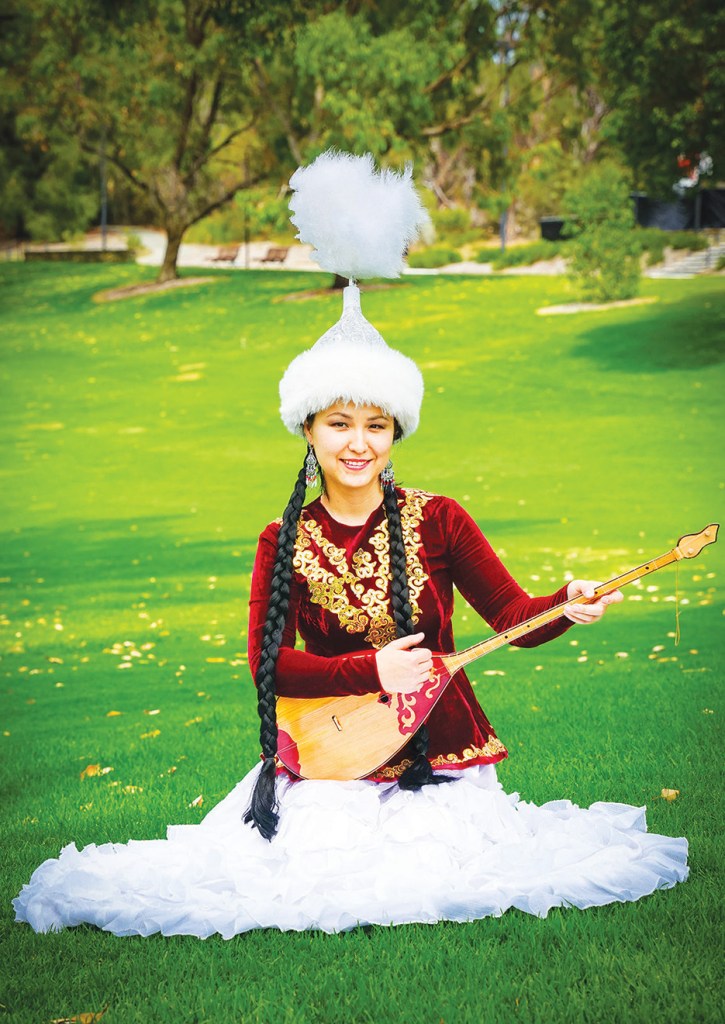
    Dana Kazhimova amd Laula are bringing the sounds of the steppes – and the dobra – to the next World Music Cafe.

    WHEN Dana Kazhimova went to watch a couple of friends perform the traditional music and dance of her native Kazakhstan, she had no idea of the impact it would have.

    “I was not a Kazakh dancing type of person,” she said.

    While she’d done the compulsory national dancing in primary school and her father had taught her Kazakhstan’s most popular instrument the dobra when she was seven, like most Kazakhs Ms Kazhimova’s gaze was on the modern sights and sounds coming through their screens. These days Kazakh teens are into hip hop, R&B and even a central Asian version of the K-Pop phenomenon.

    Ms Kazhimova left Kazakhstan in 2010, spending a couple of years working in the United Arab Emirates and another three in Egypt before moving to Australia with her husband in 2015. She hadn’t really thought about those old dances or songs.

    But there’s something about the country’s endless grassy steppes and the memories of its nomadic lifestyle which her friends’ performance awoke.

    “My eyes were teary,” she says.

    “Two years ago when I saw those two friends at an event and I saw the dance and heard the music it just lit me up.”

    She happily accepted an invitation to join the dance group Laula, and when her skills with the Dobra became apparent her friend eagerly handed over her own.

    Ms Kazhimova’s father is a bit of a musical celebrity back in Kazakhstan, being director of one of the country’s philharmonic orchestras and writing and singing regularly for them.

    “So for a long time I grew up with music all around me, and we used to go to many concerts.

    “But when you care there, you don’t really appreciate it. 

    “I was young and I used to think ‘what is the deal with Kazakhstan’, but then you get older and wiser and when you hear the songs it reminds you.”

    Ms Kazhimova says there’s something special about the dobra, particularly when big groups get together to play.

    “When an orchestra with tens and tens of people playing dombra together, it reaches your soul.”

    She says Kazakh music is very much influenced by the steppes and the nomadic lifestyle.

    One of the pieces is by Kazakh composer Seken Turisbekov called Waves of Emotions, which was written after the death of his child, while the second is a fast piece which represents the horses running through the grass of the steppes.

    The horse plays a central role in Kazakh history as a provider of transportation, food, labour and companionship, while some archaeologists believe it was where they were first domesticated.

    The costumes of the Kazakhs are also striking. “We get so many compliments about the costumes and people are always coming up to us to take photographs,” Ms Kazhimova says of the bright and long-flowing dresses and distinctive pointed hats.

    Ms Kazhimova will be playing with Laula at the next World Music Cafe, an initiative of Multicultural Futures that highlights culture from around the world.

    Laula will be joined by highly talented guzheng (traditional 21-string Chinese zither) player Shutong Liu and French-Australian singer Geraldine Rey on Friday June 24 – coinciding with refugee week.

    Although this cafe’s performers aren’t refugees themselves, Multicultural Futures also provides newcomers with opportunities to pick up skills by helping organise the event, MCing or running the catering. Mentoring the kitchen team is well-known chef Nimrod Kazoom who has built a cult following for his stunning artistic cuisine.

    Book a table at http://worldmusiccafe.com.au/

  • Cream of the crop

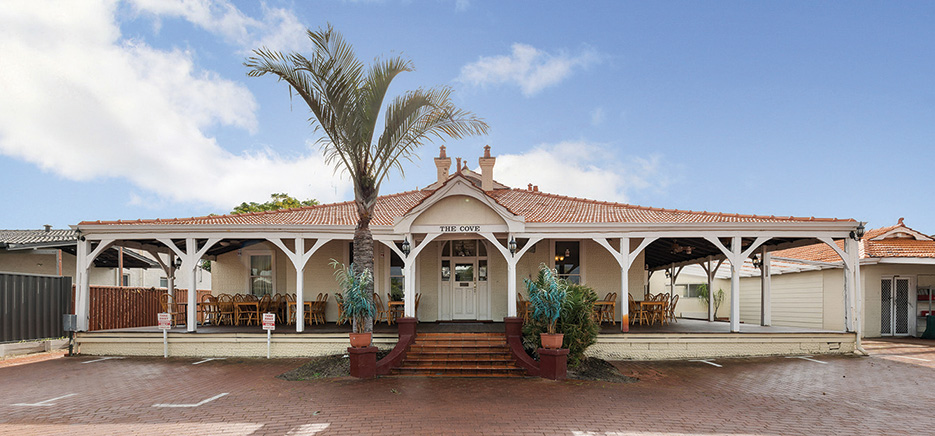
    FOR more than 20 years The Cove Indian Restaurant has established itself as an icon on Perth’s food scene, and having a landmark location has played a big part in that.

    But now The Cove is moving on and its beautiful and historic venue in Alfred Cove is awaiting a new generation of restaurateur to give it their own twist.

    The restaurant is situated at 568 Canning Highway, meaning there’s a whole lot of potential customers driving past every day. But unlike many restaurants in top locations, it’s got ample parking with 30 bays right at the front door.

    The best part, though (in our opinion), is that it gives a heritage gem a new lease on life.

    The building used to be the home of Arthur and Muriel Groves, who brought up 28 acres in 1919 and settled in to run a dairy.

    A couple of years later the resourceful Arthur built the cement brick home, making all the bricks himself from imported cement.

    The dairy flourished and the Groves’ cattle supplied milk throughout Melville and as far away as South Freo and Como; in fact, their farm became a well-known landmark on the way between Freo and Perth.

    But as Melville grew, so did its cars, and in 1939 Arthur and Muriel bowed to the inevitable (after many, many notices from the Melville Roads Board about impounded wandering cows) and moved the diary to Wagerup.

    Although we can’t imagine it as anything but a restaurant nowadays, it’s had a few uses and would also be perfect for a medical or consulting centre.

    568 Canning Hwy, Alfred Cove For lease
    Salt Leasing Team
    Andrew Shue 0402 733 140
    commercialmanager@saltproperty.com.au

  • Vincent puts rates up 7.6%

    Perth set for 1.1% rise

    A HEFTY 7.6 per cent rate increase is proposed in Vincent as the council grapples with ageing assets, rising staff costs, and sizeable debts to pay off.

    At the June 7 meeting Mayor Emma Cole said of the draft budget: “There’s no glamour projects … it’s all very much a focus on renewal, a focus on delivery of our programs and services, and projects that our community has come to expect.”

    Ms Cole acknowledged 7.6 per cent was a bit of a headline-grabbing figure but she pointed out Vincent historically had a low base rate compared to other councils: “All local governments are very different. When you look at the City of Vincent, because we have been a low-rating council what [the 7.6 per cent increase] actually equates to is … $2 a week” per property.

    Underground power contributes 2.1 per cent of the increase, with the council gathering a fund to start paying for underground power that’ll be rolled out to about one third of properties in the first wave (“Power in the pipeline,” Voice, June 4, 2022). 

    The council will also start spending more on assets to keep them in serviceable nick.

    Councillor Dan Loden described it as the most challenging budget he’d worked on.

    “If it was a popularity contest we’d probably be losing it, I suspect. But it’s also probably the best budget I’ve been involved in because it’s actually generally a reforming budget: It’s finally dealing with this issue of asset sustainability.”

    There’s also been a freeze on staff wages during the tough Covid times. 

    That’s led to some good staff leaving so an extra $1.8m will go towards a pay increase and superannuation.

    Staff wages

    Ms Cole said: “Just today I learned of another staff member who’s leaving due to salary… I see this happening and I know it to be a genuine, real issue that we are losing good people.”

    The rate increase could’ve been higher but instead the council’s proposing to halve the first hour free parking period in Vincent carparks to just 30 minutes in hopes of make back some revenue from parking fees instead of rates.

    “Vincent has had one hour free parking in our car parks for 11 years, with many car parks in high demand, especially during peak periods,” Ms Cole said in a statement.

    “The revenue from reducing the free parking period is equivalent to a 2.8 per cent rate increase and shifts the cost of providing parking services to users, for example, the 83 per cent of consumers in Leederville who are non-residents.” 

    Councillors unanimously endorsed the draft differential rating strategy.

    The strategy and the plan to halve the free parking hour is open for comment for 21 days via imagine.vincent.wa.gov.au before council votes on the final version on July 5.

    Perth council’s also met to endorse the city’s draft budget, proposing a 1.1 per cent rise in rates this year.

    by DAVID BELL

  • Farm dig turns up rare finds
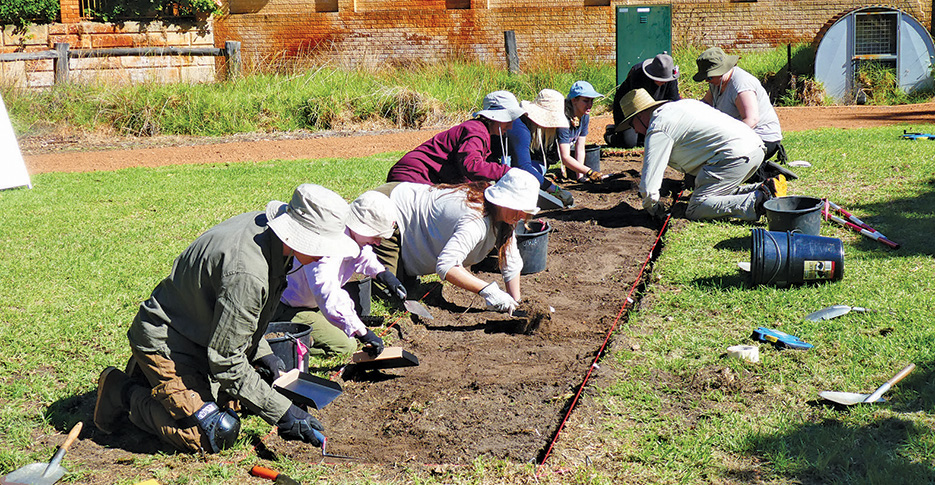
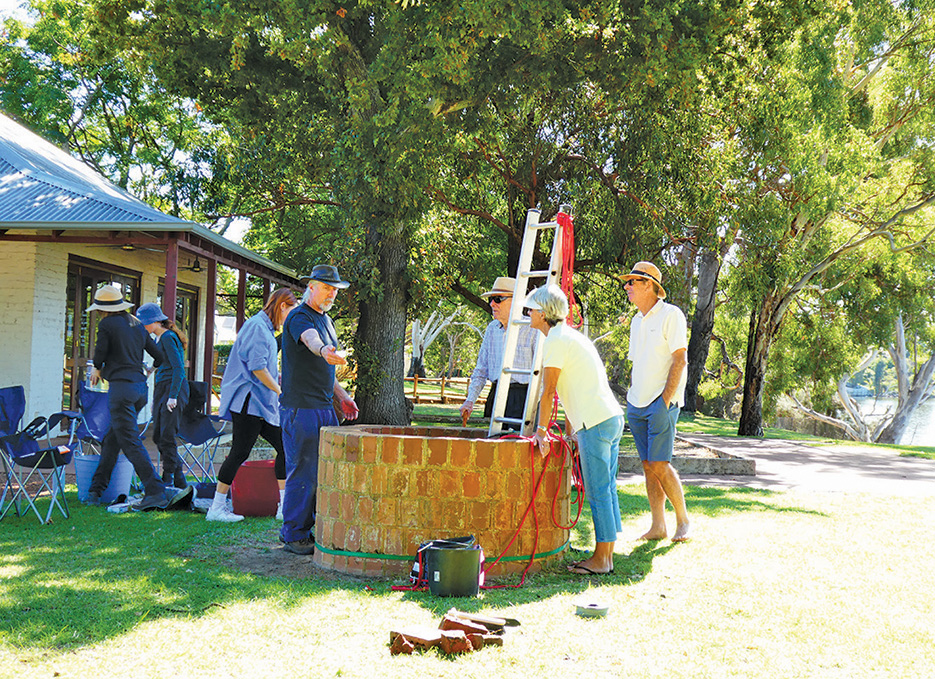
    Well, well, well … a dig by UWA archaeology students at Peninsula Farm turned up some rare and revealing articacts.
    The field dig discovered many unbroken bottles, perhaps tossed in the well in a hessian sack.
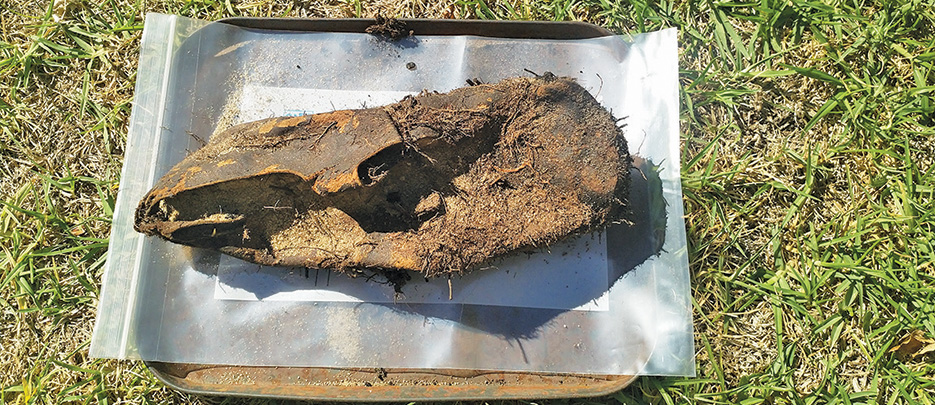
    These fancy shoes likely belonged to the landowner.
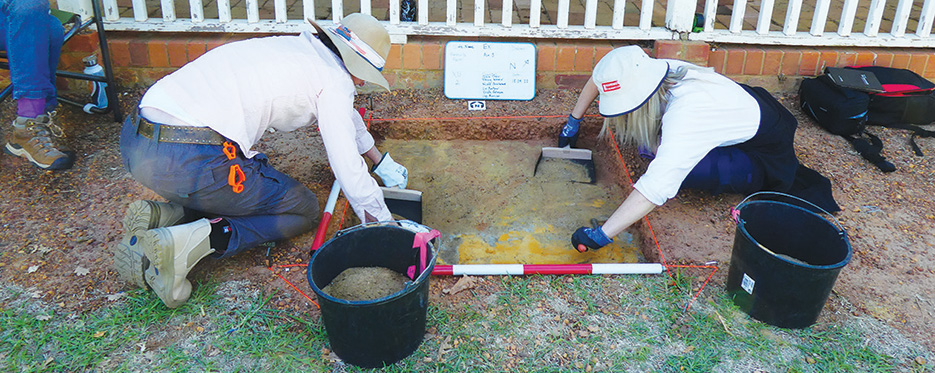
    Meticulous digging turned up some rare finds. Photos courtest UWA Archaeology.

    RARE old shoes, intact teetotaller bottles, and evidence of long-gone paperbark trees are among artefacts uncovered in an archaeological dig at Peninsula Farm in Maylands.

    The Farm’s owner the National Trust hosted archaeology students from UWA for the second year to excavate the grounds, delving into an old well and digging out trenches across the grounds.

    The well’s brought up a surprising number of intact bottles from around 1890 to 1920  – rare for being intact rather than smashed, and because there’s no alcohol bottles among them.

    The Trust reports this gels with what’s known about the Hardey family who built the farm and lived there until 1913: They were strict Wesleyan Methodists, a denomination that was long opposed to alcohol.

    The Trust brought in conservators Ian MacLeod and Rinske Car to draw up a plan to conserve the artifacts. 

    Dr MacLeod also identified paperbark among the material dug up, evidence that the trees once grew in the historically swampy area.

    The prize find was a pair of extremely rare waterlogged men’s leather shoes. They may have belonged to Richard Hardey or even the farm’s original owner, Joseph Hardey, given their formal style suggests they belonged to the landowner rather than a farm labourer. 

    The Trust is now raising funds to conserve the shoes for future display at Peninsula Farm. It will cost about $3,000 to carry out a preservation process involving polyethylene glycol to remove the water and stabilise the leather. 

  • Minister slams Ruah knockback

    WA HOMELESSNESS minister John Carey has blasted Perth councillors for voting against a homeless drop-in centre moving to a new location in Northbridge.

    Homelessness services provider Ruah runs the drop-in centre on Shenton Street opposite Russell Square, but that site’s soon to be redeveloped into a seven-storey shelter for women and children escaping domestic violence (Voice, June 4, 2022). 

    Ruah found a new home for the drop-in centre 270m away at 249 James Street and asked Perth council to approve a change in planning use to “community or cultural centre” to let them operate a drop-in there.

    After hearing more than 100 objections from James Street residents and business owners, councillors voted against the change on May 31 on the grounds the centre could wreck amenity and cause more anti-social behaviour.

    Mr Carey put out a statement on the decision saying the vote “is deeply saddening, and in effect, may shut down one of only two critical drop in centres for our city.

    Leadership

    “I respect the right of councils to make decisions but does not mean they should not be publicly scrutinised, and held to account,” Mr Carey said.

    “The decision by the City of Perth to vote against the relocation does not show good leadership from the elected members when tackling the complex issues that vulnerable people in our community face.”

    Mr Carey referenced the Safe Night Space which Perth council set up last year as a stopgap in lieu of enough state government services. 

    “Consistently spruiking City of Perth funding for a Safe Night Space for women in the city and advocating for extended outreach and drop in hours while simultaneously making decisions which block existing homelessness services simply does not cut it,” Mr Carey said.

    “I am not dismissive of local concerns and as an inner city resident I understand the complexities and potential challenges of homelessness service hubs. The reality 

    is the City of Perth elected council could have sought to navigate this difficult issue with leadership by gathering stakeholders, Ruah and City of Perth administration around the table to find a real solution.”

    Perth lord mayor Basil Zempilas has said homelessness services should be decentralised so they’re not all in CBD, arguing the services are drawing people in. Ruah’s general manager of housing and homelessness Elsie Blay had contended that the people were already in the city and services set up in response.

    Mr Carey said: “This decision confirms our worst fears about people’s attitudes to social housing and homelessness. 

    “Everyone is happy to support social housing or homeless services, so long as it is not located close to their business or home. 

    “For the record, I do practice what I preach, as I live around the corner from the state government-newly funded medical respite centre for homelessness people, with 20 beds.”

    Ruah looked at about 120 locations before settling on the James Street building. While Ruah had a pretty good case to appeal the council’s decision to the State Administrative Tribunal, it’s instead looking for a new location.

    by DAVID BELL