• Sax to the max
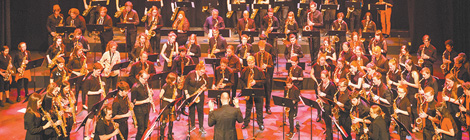
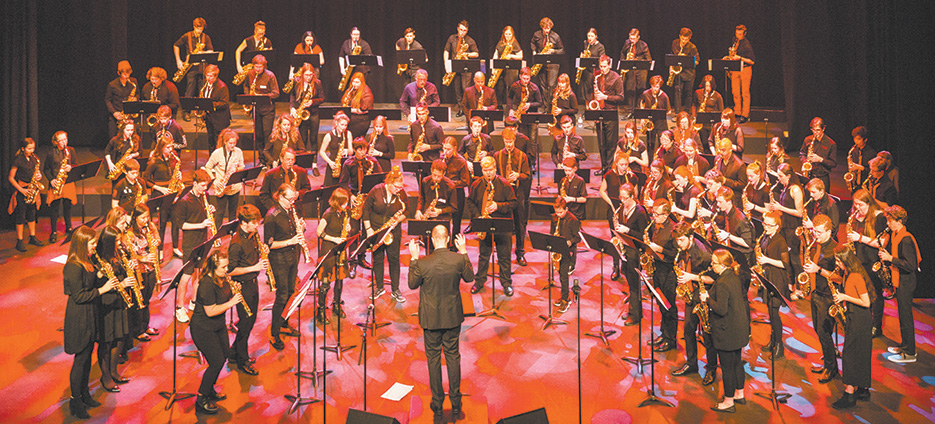
    The Massed Sax Orchestra (If they all play different songs at once it would sound exactly like John Coltrane’s Interstellar Space). Photo by Stephen Heath Photography 
www.stephenheathphotography.com

    ABOUT 100 saxophone players will belt out AC/DC’s It’s a Long way to the Top as part of the inaugural WAAPA Sax Festival in Perth this weekend.

    The two-day event culminates in a mass sax orchestra playing songs including March by Gustav Holst, the theme to Cinema Paradiso, and a fun arrangement of the aforementioned AC/DC classic with a surprise guest.

    The festival is the brainchild of Dr Matt Styles, senior lecturer in saxophone studies at WAAPA, who has been holding an annual ‘massed sax concert’ since 2013.

    “The first year we had 45 players, and a few years ago we got up to 146,” he says.

    “We’ve had players from all across WA, Queensland, New South Wales, South Australia, Japan and the US from as young as 10 right up to 86 years young.

    “This year I’m going one bigger where I’m directing a festival over two days and two nights where sax players from all across the state meet up to rehearse together then see workshops, demonstrations and performances from the WAAPA classical and jazz sax players and staff, resulting in two concerts.”

    Unfairly pigeonholed as an instrument only suited to jazz, Michael Bolton and the prelude to sex scenes in the movies, Dr Styles says the saxophone was originally a classical instrument in the mid 1800s, used in wind and symphony orchestras, and for solo performances.

    “The beginning of the 20th century saw it become an instrument that propelled jazz forward and has done so much for this genre,” Dr Styles says.

    “What people don’t always realise is that since the mid 1940s, it has been re-emerging as a classical instrument having thousands of pieces written for it in a solo and ensemble context and in a multitude of different settings.

    “It is, in my opinion, of the most versatile instruments with an expressive range which is the envy of many.”

    In recent years, many music universities have started appointing full-time classical saxophone teachers, including Michael Duke, the first full-time classical saxophone lecturer at the Sydney Conservatorium of Music.

    An internationally-acclaimed saxophonist who studied at the famous Berklee College of Music, he’s a special guest at the festival and will be playing alongside Dr Styles and fellow WAAPA lecturer Jamie Oehlers.

    “I have seen graduates from my saxophone studio go on to achieve some remarkable things in the music industry, proving to everyone the versatile of the saxophone and saxophonists,” Dr Styles says. 

    “Michael Duke ‘s work has been and continues to be an inspiration for everything I do at WAAPA.”

    So who are the best sax players of all time?

    Dr Styles says the most influential modern jazz sax album is Michael Brecker’s self-titled 1987 release, and in the classical realm he admires lots of players since the 1940s including Marcel Mule, Sigurd Rascher and Jean-Marie Londeix.

    “Any album by any of these masters shows the remarkable agility and refinement the saxophone can provide,” Dr Styles says. 

    “These artists truly showcase how the saxophone can rival any classical instrument in terms of poise, virtuosity and versatility.”

    The WAAPA Sax Festival (May 28-29) includes workshops, stalls and events, and culminates in two concerts on Saturday and Sunday night at the Richard Gill Auditorium in Mt Lawley.

    To register for the free afternoon events at WAAPA’s campus in ECU Mt Lawley, and the massed sax orchestra (you have to be playing for at least two years) go to waapa.ecu.edu.au. 

    by STEPHEN POLLOCK

  • Smashed it 
    The Australian 65+ mens tennis team: Steven Dance, Wayne Pascoe and Glenn Busby.

    THE Australian 65+ mens tennis team has won the Britannia Cup at the ITF World Teams Championships in Florida.

    Captain Glenn Busby says they turned back time to beat the Americans on their home patch, putting the hard-fought win down to team spirit.

    “Winning the world Teams was an amazing result considering we beat the USA in the final, who had two previous world singles winners,” Busby says.

    “I know the difference between all the teams was not only our playing abilities but also our ability to do anything both on and off the court to help each other.

    “We stayed in a bed-and- breakfast together, shopped for food, cooked all our meals, invited the other Aussie teams over for an Anzac BBQ…we gelled so well together as a team and had the best time. This was shown in our winning photo where we embraced each other with so much emotion.

    “This factor is just so important, we were not individuals, we were a team which bought out the best in us.”

    Australia has some of the best senior tennis players in the world, and the late Doug Corbett (pictured) was the 2013 World Champion in the 85+ age group.

    Seniors tennis competitions are played in all states and up to 1000 players compete each year for the Teams Trophy at the Australian Tennis Championships.

    In the individual championships, players compete for the honour to represent Australia at the ITF Team World Championships.

    Seniors competitions are divided into five-year age groups starting at 30 years old.

    If you ever needed inspiration to get off the couch and pick up a tennis racquet, you need go no further than Australia’s senior players.

    For info on seniors tennis in your area see play.tennis.com.au/tennisseniorswa

  • Take stock

    HAVE you ever fancied living on Wall Street?

    I’m not talking about the one with all the rapacious bankers and traders, but the other one in Maylands.

    That Wall Street is a leafy enclave situated beside the Swan River and couldn’t be any further removed from the New York version.

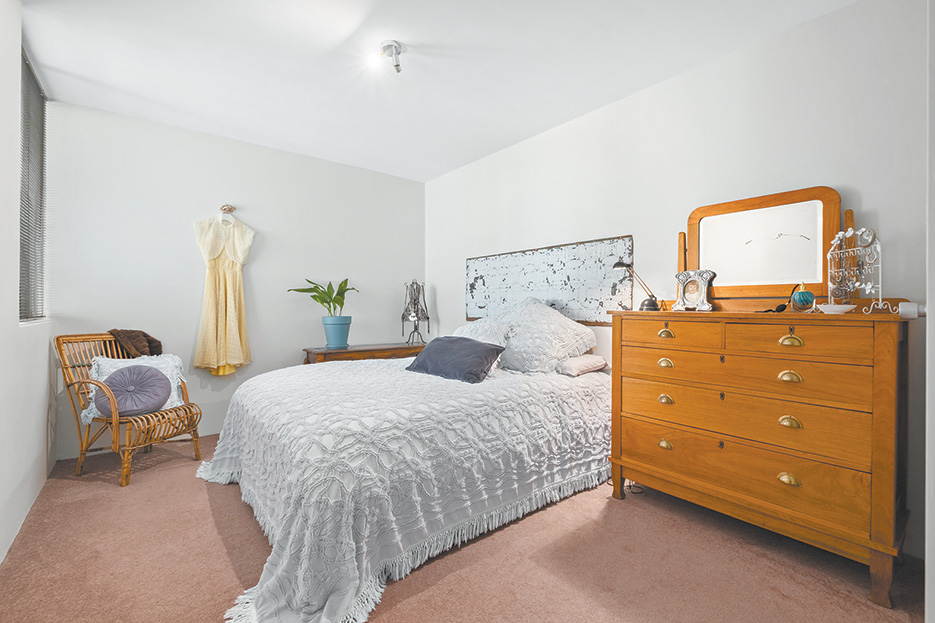
    At number 12 is a cute two bedroom one bathroom apartment with a parking bay.

    Priced from $299,000, it’s a great chance to get your foot on the property ladder in Maylands.

    Surrounded by trees, birds and verdure, it’s super peaceful and it’s hard to imagine you’re still in the inner-city.

    The Voice loves the private balcony, where you can gaze out at the treetops and nearby lake.

    It’s a great spot for a coffee in the morning or something a bit stronger at night.

    There’s plenty of light in the apartment thanks to the sliding glass doors leading to the balcony, and the white colour scheme keeps things light and airy.

    There’s enough room for a lounge and dining setting in the main living area, and off to the side is a nice kitchen with plenty of bench space and a serving hatch.

    There’s a window in here as well, so you have plenty of natual light and views of the trees outside.

    Both bedrooms are a decent size and have carpets to keep you nice and cosy in the winter.

    They share a large bathroom that looks like it’s had a recent makeover with stylish floor tiles, a large vanity and shower. There’s also a laundry area.

    Located in a scenic and peaceful riverside complex, this home is close to the Swan River, cycle paths, local cafes, Maylands golf course and bus stops, and is not far from the Perth CBD and airport.

    This is great starter pad in a relaxing locale.

    From $299,000
    186/12 Wall Street, Maylands
    ACTON Mt Lawley 9272 2488
    Paul Owen 0411 601 420

  • MP runs foul of Facebook censors
    Graphic content: A poster celebrating love in many forms.

    Too much loving for Facebook in MP’s post

    A GAY MP has been censored by Facebook after sharing an image of LGBTQI+ couples embracing.

    Maylands MP Lisa Baker was highlighting International Day Against Homophobia, Biphobia & Transphobia on May 17 with a poster which was headlined “Celebrate the power of love” and had a caption stating the day was “a worldwide celebration of sexual and gender diversities”.

    Ms Baker added a comment that: “Today we recognise and celebrate” but Facebook blurred the entire poster.

    Clicking on it yielded a warning the blur was covering “sensitive content. This photo may show violent or graphic content”. 

    A further warning said while the photo didn’t break Facebook’s rules, either its automated technology or someone on its review team had decided it counted as “graphic content” and should be covered “so people can choose whether to see it”.

    This category included “animal abuse, death, wounds, someone’s life being threatened [and] suicide and self-harm”. 

    Eventually clicking through the warnings did reveal the innocuous poster to adult users, but Facebook rendered it completely invisible to anyone under 18. 

    Lisa Baker.

    Ms Baker tells us Facebook’s censoring was “unbelievable”.

    “I can’t believe that Facebook has done that,” she said, adding the youth demographic who were completely blocked from viewing it were often most in need of support and recognition.

    “[It’s] a harmless cartoon of hugging and just being close, nothing untoward about any aspect of it… and I thought it was fantastically inclusive.”

    She said the message she’d wanted to get across was “to celebrate LGBTIQ+ people in our community and recognise the work that’s still needed to be done to stamp out discrimination”, calling on people to become a visible ally who speaks up against homophobia, biphobia, interphobia, and transphobia. 

    While the poster was deemed unacceptable, links to first-person footage filmed by a white supremacist mass shooter in Buffalo, New York, have been shared countless thousands of times on Facebook since the May 14 massacre of 10 people.

    When some users tried to report the links to Facebook, they received messages saying “the post was reviewed, and though it doesn’t go against one of our specific community standards… we understand that it may still be offensive or distasteful to you” and it suggested unfriending or blocking the person who’d posted it.

    Facebook’s since started deleting and blocking some of the links, but footage of the murders was still easily found four days later as we went to press.

    by DAVID BELL

  • Scary streets scuttle walk to school dreams
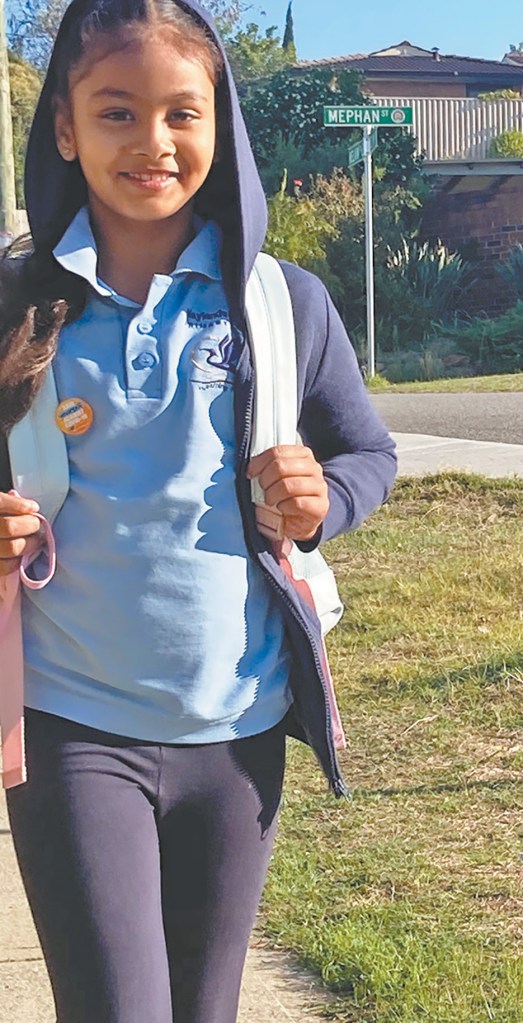
    • Dilpreet Kaur, 7, a Maylands Peninsula Primary School student who’d love a safer route to walk.

    A LACK of footpaths, fast road speeds, and super-wide intersections are preventing students from walking to school according to Transition Town Bayswater.

    The community organisation ran walk and talk events over the past two weekends to map out ways to make safer routes to Maylands Peninsula Primary school.

    TTB volunteer Charlotte Dudley says the key problems flagged included the traffic being too fast in the area, narrow or non-existent footpaths, a lack 

    of trees for shade, and wide intersections that kids found hard to cross.

    Fast drivers

    “We’ve heard loud and clear that kids in Maylands want to walk, ride and scoot to school but they told us there are too many fast drivers who are not looking out for them,” Ms Dudley says.

    “Parents told us they would love to be freed from taxi driver duties but want to feel confident that the local streets are safe enough for their kids to walk and ride.

    “Our streets belong to everyone and there’s a lot the City of Bayswater can do to make the streets safer and more inviting for children to walk or bike to school. 

    “Rolling out footpaths and planting more street trees invites people to walk more, while narrowing intersections will calm driving and make it easier and safer for children to cross the street.”

    TTB is packaging up the feedback to put to Bayswater council, which is currently consulting on the “Safe Routes to School” project until May 20 to figure out what safety upgrades to prioritise.

    The WA transport department’s 2021 report into the declining rate of walking and cycling to schools found the rate of kids walking to school dropped as low as 20 per cent in Perth. The national average is 25 per cent, down from 75 per cent in the 1970s. The drop’s been fuelled by a lack of pedestrian routes, bad traffic and more cars, safety concerns, and parents’ work constraints preventing them from walking or riding with younger kids.

    The department’s Safe Routes program is tackling suburbs one at a time to try to shift the trend, as driving makes for worse health, more costs from cars on the road and travel time, and more crashes.

    by DAVID BELL

  • Bridge bites back
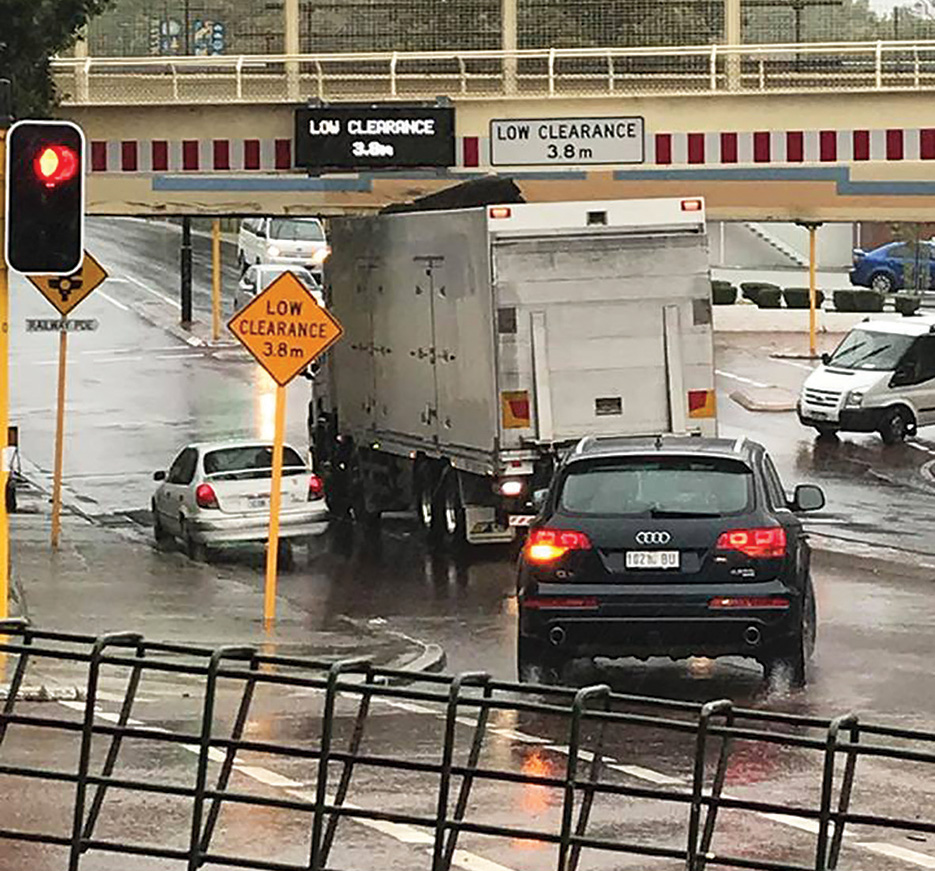
    Trucks regularly smash in Bayswater’s notorious bridge, but its replacement got one back when a panel dropped onto a car. Luckily there was nothing more serious than a case of shock for the occupants.

    THE Bayswater bridge continues to haunt motorists, but this time there was no fault by the motorist when a panel from the replacement bridge’s construction fell and hit a car on Monday. 

    Two people were in the car and one was taken to hospital suffering shock.

    The new bridge is being built above the old one and will have a clearance of 4.8m, up from the 3.8m that gets crashed into about 10 times a year when people overestimate its clearance.

    Crashes were so frequent that local techy Simon Vin set up a site howmanydayssincebayswater bridgehasbeenhit.com to keep track of all the incidents.

    He’s reported the most recent bridge-on-car incident but since it wasn’t the original bridge, the official counter remains at “15 days” as we go to print, marking the most recent May 3 occasion when a truck wedged under there.

  • Opt-in policy undermining canopy targets
    This once-shady Maylands verge is barren because the landowner can’t be found.

    BAYSWATER’S trees are dying at an alarming rate and only 20 per cent are being replaced due to a controversial policy shift. 

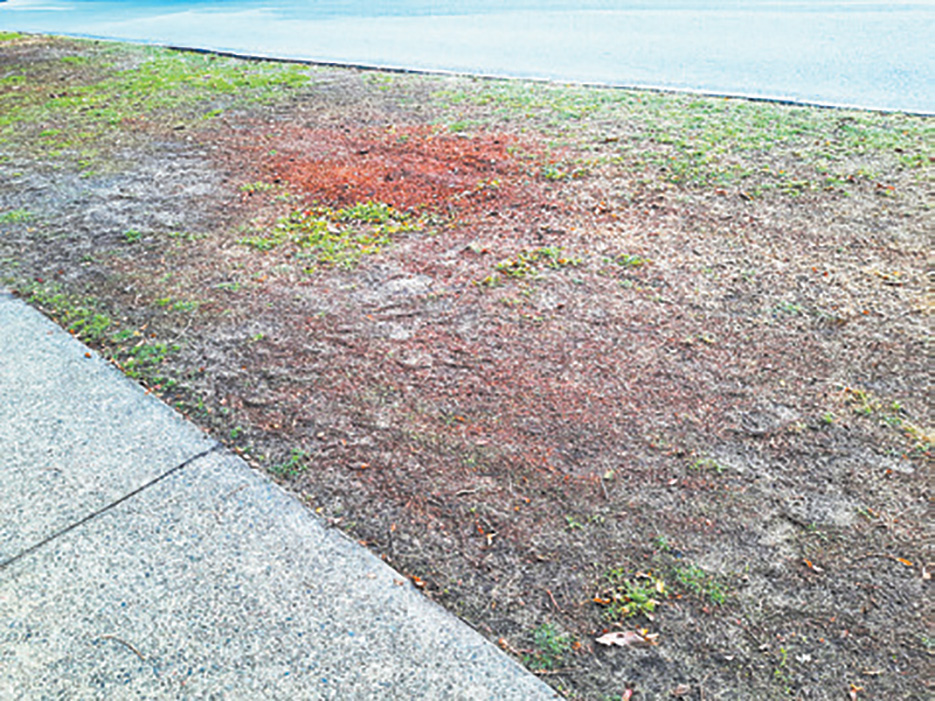
    This financial year 132 street trees died from heat, thirst, age or poor soil. Under Bayswater’s old verge tree policy, dead trees were automatically replaced unless a homeowner objected, but many verges remain bare after the council added an opt-in clause last year.

    Common-sense

    Mayor Filomena Piffaretti described getting opt-in consent from surrounding landowners as “common-sense”, saying it gave them more say over their verge.

    It was backed by councillors Catherine Ehrhardt, Josh Eveson, Assunta Meleca, Steven Ostaszewskyj and Michelle Sutherland, while Crs Dan Bull, Giorgia Johnson, Sally Palmer, and Elli Petersen-Pik dissented.

    Cr Petersen-Pik warned at the time it would make increasing Bayswater’s tree canopy impossible (“Tree protection pruned,” Voice, January 11, 2022). 

    Decades of research shows people are less likely to participate in opt-in initiatives, no matter how benign – from organ donation to superannuation. 

    A Bayswater staff report this week says the new policy “has affected the number of dead trees being replaced. Currently, only 20 per cent of removed trees in the 2021/2022 summer period have been listed for replacement this winter, which is a significant reduction from the 83 per cent of replacement trees listed for the same period in 2020/2021.”

    Cr Petersen-Pik says it’s not surprising. 

    “This is a massive and unprecedented drop” in replacement rates, he said.

    “I am now again deeply concerned about the ramifications arising from the policy changes. 

    “We will all suffer the consequences in the years to come. It takes many years and a lot of care for a tree to reach maturity, a challenge only compounded by changes to our climate.”

    He pointed to a mature Maylands verge tree which had shaded kids walking to school until being removed a few months ago.

    Failed

    Cr Petersen-Pik says staff tried contacting the landowner, but “all attempts have failed so a tree cannot be planted there”.

    Councillors will decide whether to revert to the old policy at the May 24 meeting. Council staff also suggested spending an extra $30,000 on watering.

    The tree health report was requested by Cr Petersen-Pik after he and other residents noticed a surge in tree mortality.

    by DAVID BELL

  • Specials dying off
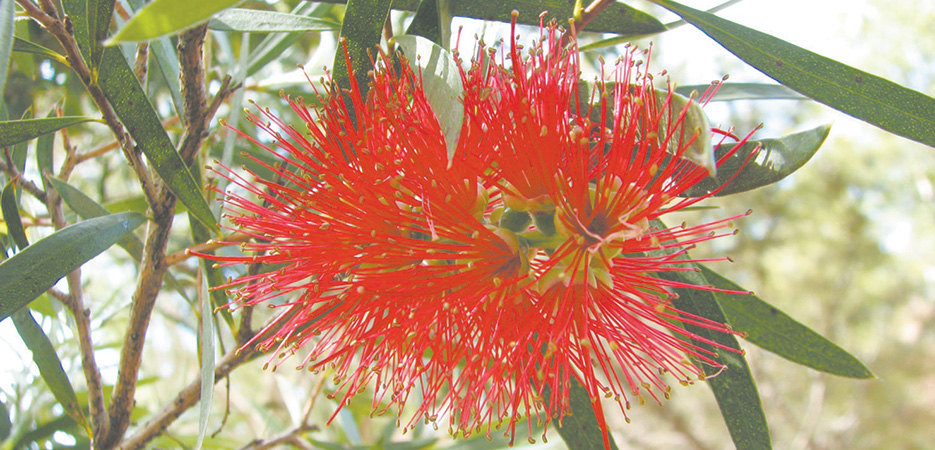
    The Kings Park Special Callistemon has been an international success story. This one (photo by wiki commons user Melburnian under Creative Commons) is flourishing in Maranoa Gardens in Victoria.

    THE first generation of Kings Park Special bottlebrushes are dying off.

    A cultivated variety of Callistemon developed through breeding, the KPS was an early success story in plant development for Kings Park and Botanic Garden. 

    The original seedling was of “unknown origin”, cultivated into its current form by the park’s first nurseryman Ernst Wittwer, a Swiss horticulturalist who’d trained at Kew Gardens.

    The species was registered in 1980, and in the following decade countless KPS Callistemons were planted across Perth’s verges and have since become popular in cities around Australia for their bright colours and attracting birds and insects. 

    But it appears the first cohort are growing too old to withstand water stress and heat.

    In 2019 and 2020 KPS Callistemons made up the vast bulk of trees that died on Vincent council’s verges. 

    They’re known to be sensitive to drops in the water table, while an arboricultural assessment couldn’t find any specific disease or bug affecting them (“Mystery ailment knocks off trees,” Voice, November 16, 2019). 

    This summer the KPS also made up the majority of trees dying off in Bayswater, with a report showing 53 of the 134 dead verge trees were Callistemons. They only make up 10 per cent of Bayswater’s verge trees, but are overrepresented with 40 per cent of this summer’s casualties.

    Bayswater’s parks and gardens staff write in the report there’s various possible causes like heat, disturbance from development, and water stress. Trees are more susceptible to these factors when newly planted or when they grow too old to tolerate harsher conditions. 

    “Callistemon Kings Park Special rarely lives beyond 40 years of age,” the report says.

    Vincent has phased out planting KPS Callistemons, mostly replacing the dead ones with melaleucas. Bayswater’s also removed them from its current tree planting guidelines in favour of species like some of the shorter eucalyptus species and some exotics like Swan Hill olives, crepe myrtles and Chinese pistachio trees. 

    by DAVID BELL

  • Labor pledges $2m for indigenous centre
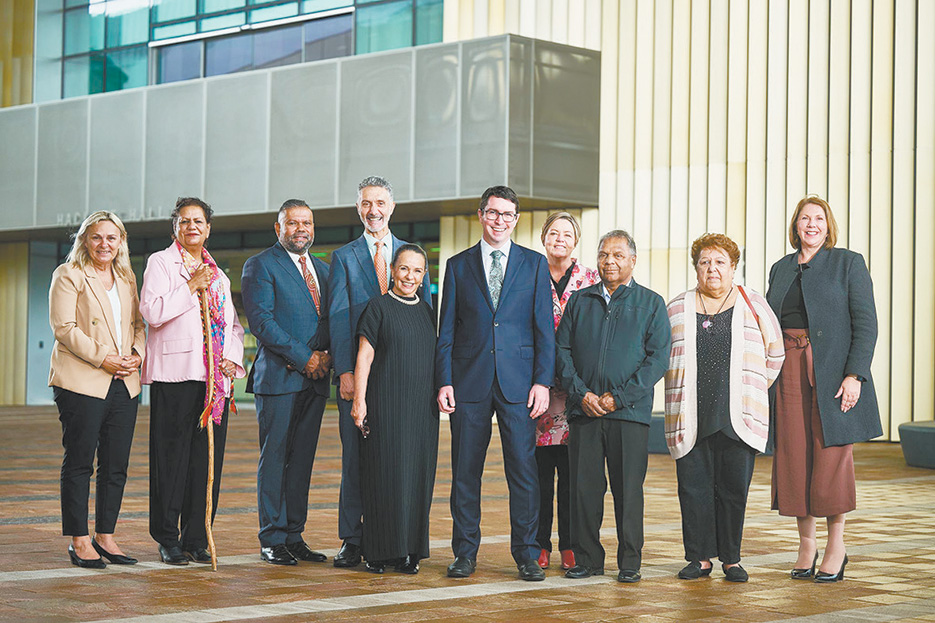
    The Whadjuk Steering Group members with federal pollies at the announcement pledging $50 million to an Aboriginal Cultural Centre: (L-R) Sabine Winton, Charne Hayden, Barry Winmar, Tony Buti, Linda Burney, Patrick Gorman, Madeleine King, Peter Hill, Beverley Port Louis and Catherine King. Photos by Daniel Carson.

    LONGSTANDING plans to build a nationally-significant Aboriginal Cultural Centre in Perth got a positive sign this week with federal Labor pledging $50 million towards it they win office.

    The Morrison government pitched in $2 million for planning the centre as part of the Perth City Deal, and the McGowan state government committed $52m towards it at the 2021 state election.

    Federal Perth MP Patrick Gorman has been advocating for an ACC in Perth and welcomed the funding pledge.

    “The Aboriginal Cultural Centre will be the Sydney Opera House of the West Coast. It will be the place everyone wants to visit when they come to Perth,” he said in the announcement.

    “For the people of Perth, the centre will be a source of pride and occupy a place of prominence on the banks of the Derbarl Yerrigan.”

    A location is yet to be decided. 

    A Whadjuk-led steering committee held its first meeting in April to tour potential sites, and the location will likely be along the foreshore as the centre aims to “commemorate the ongoing connections to the Derbarl Yerrigan” (Swan River). 

    The committee is due to meet again in June. 

  • Real deal
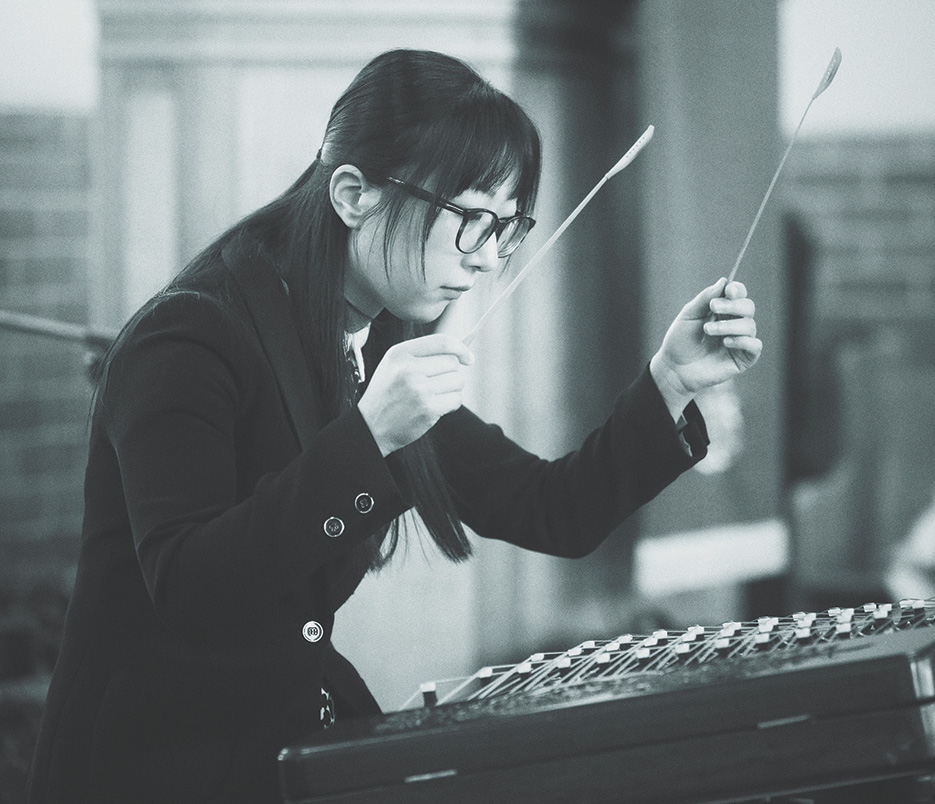
    Musician Teresa Tan

    TO make their upcoming concert truly authentic, The HIP Company is playing music transcribed by Jesuit missionaries who lived in Beijing during the 18th century.

    The ensemble specialise in Baroque music, using traditional instruments and scores to make their performance super faithful to the original, with the odd contemporary twist.

    Their latest project Chinoiserie fouses on the curious relationship between baroque European musicians and China in the 1700s.

    “A large part of the programme is traditional Chinese music that’s either been suggested by our guest artists or was transcribed by 18th century missionaries at the Beijing imperial court,” says HIP Company cellist Krista Low.

    “Most people in Australia would be unaware that Western European Jesuit missionaries lived in Beijing for over 200 years and that during the Qing Dynasty, the Emperor Kangxi was a big fan of the harpsichord and had one in every room.

    “This led to a lot of literature by missionaries about Chinese music, and even a treatise about Western music written entirely in Chinese. The Chinese melodies that were transcribed by these missionaries have been arranged for our ensemble by our very own Bonnie de la Hunty.”

    During this period, European composers jumped on the ‘Chinoiserie’ bandwagon – a  popular type of interior design that featured western interpretations of Chinese styles, often using fantastical birds and beasts. 

    Stella Huang

    Low says this western “exoticising” didn’t reflect China’s true culture and is out-dated, so they’ve brought in Teresa Tan from the Chung Wah Association orchestra and musician Stella Huang to adapt the score and make it more representative of the real China. 

    “A lot of the time, China and Japan were conflated with each other and there was no genuine interest in engaging with the cultures that were being approximated and appropriated,” Low says.

    “In music, this manifested in composers writing operas set in Eastern locations and the characters often had magic powers or suspicious, mystical customs that enhanced their foreignness and the drama of the narrative.

    “However rather than ‘cancelling’ them, we want to acknowledge their historical context and perform them in a way that is inclusive. 

    “Today, we don’t have to ‘imagine’ Chinese music because of the generosity of people like Teresa and Stella who are so willing to share their culture with us.”

    At the concert Tan will play the guzheng (a Chinese-plucked zither with up to 26 strings) and Huang will be on the yangqin (a Chinese hammered dulcimer).

    “The two traditional instruments, guzheng and yangqin, have a gorgeous, delicate quality to them, but they are also very resonant and have a fairly large pitch and dynamic range,” Low says.

    “One of the pieces that Teresa and Stella will be playing as a duet really showcases these instruments and their ability to play music that is at times slow and atmospheric, but also quite rhythmic, driving and exciting.

    “The pentatonic scale is definitely a feature of the Chinese music that we’re performing, however we were surprised to learn that both instruments are capable of Western chromatic scales.

    “The combination of Chinese traditional instruments and Western Baroque instruments is pretty unique and it’s been wonderful to explore this sound world together.”

    The concert will also include an Italian violin sonata written by Teodorico Pedrini, which Low says might be the only western Baroque music written in Beijing, and was probably a pedagogical work for the Emperor’s sons.

    The hour-long Chinoiserie concert is at the Perth Town Hall next Saturday (May 28) 7pm and includes a reception with food from Dragon Palace Chinese Restaurant and Howard Park Wines. Tix at trybooking.com/bxzwm

    by STEPHEN POLLOCK