• MPs investigate DAPs

    CONTROVERSIAL state government-appointed panels that have the power to approve multi-million dollar developments in local communities are the subject of a parliamentary inquiry.

    The uniform legislation and statutes review committee, chaired by Labor MLC Kate Doust, is leading an “inquiry into the operation and effectiveness of development assessment panels”.

    The first public inquiry meeting was held this week and attended by representatives from Broome and Mandurah councils, WA local government association, local government planners association and Nedlands mayor Max Hipkins.

    Former Stirling councillor Paul Collins, a property realtor, says the inquiry is long overdue.

    “Looking at the specialist members on many of the DAP panels, it is effectively a regime where the property industry is self-approving the property industry,” he says.

    “I have seen an instance where a specialist DAP member approved a development with over-height and over-plot ratio concerns and then later appeared at a subsequent meeting as the architect for another development further down the road with similar over-height and plot ratio concerns.

    “I have been concerned with DAPs for some time.”

    The panels consist of appointed people—the government says all offer technical expertise—and two councillor representatives from the local council. The panels preside over developments costing $7 million and more across WA, except Perth where the baseline is $15m.

    The next inquiry meeting is scheduled for May 11, where residents affected by a DAP-approved development in Kennedy Street, Bayswater can attend.

    Maylands Labor MP Lisa Baker says development has to be “smart” and work “for the community”. “The current system allows a lot of discretion…yet leaves residents feeling ignored,” she told the Voice. “I hope this inquiry will look into ways the community can be actively involved.”

    by STEPHEN POLLOCK

    880 COB 16x2

  • Our forgotten war at home

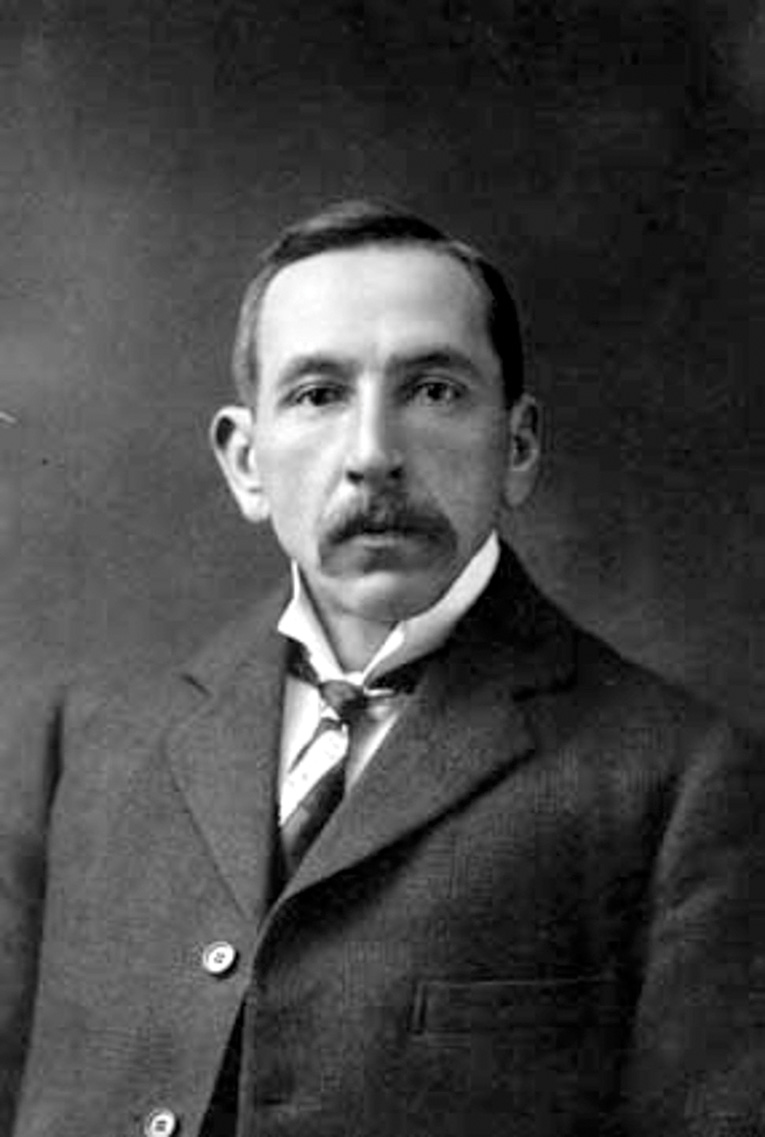
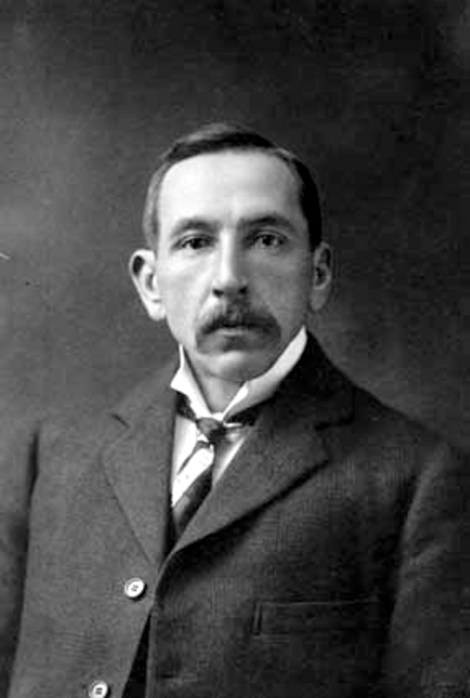
    BILLY HUGHES was prepared to sacrifice an entire generation of young Australian men to help his imperial masters in Britain win the first world war, a local historian has discovered.

    Associate professor Deborah Gare, who heads Notre Dame University’s history program, made the dramatic discovery while researching another wartime prime minister, John Curtin—an active campaigner against conscription during the Great War period.

    Prof Gare says secret correspondence by governor-general Ronald Munro Ferguson to Britain’s colonial office in 1916 makes it clear what Hughes was prepared to sacrifice in order to win the war.

    “It is not intended until the supply of single men without dependents is exhausted, to apply compulsion to married men, youths under 21, single men with dependents, or to the remaining sons of families in which one or more of the members have already volunteered,” Ferguson wrote of the PM’s conscription plans.

    Lagging behind

    Prof Gare says the governor-general had expressed concern the number of men volunteering for service was lagging far behind those being mowed down at the front.

    Hughes had visited Australian troops en-route to London in 1916 but by the time he returned home many of those had been killed. In two months of extraordinary carnage, 28,000 ANZACs were killed in battles now etched in the nation’s psyche: Fromelles, Poziéres and Mouquet Farm.

    “I think he came back shocked because they were men he had just met,” Prof Gare says.

    In his desperation to send reinforcements, says Prof Gare, Hughes became a despot and she was shocked to discover the extent of his abuse of executive power. While it’s common knowledge Hughes held and lost a national plebiscite to introduce conscription that year, Prof Gare says there’s little in the history books about his questionable tactics. The PM recessed parliament under the guise of having MPs consult with constituents about conscription.

    “Because they were not sitting, under the War Precautions Act Hughes acted to govern by rule of decree,” Prof Gare says.

    “He ordered all eligible men to report for service, so 196,000 men are conscripted, and they’re called conscripts and they go to conscript camps, and they can’t go straight into the AIF so Hughes puts them in uniforms.”
    07. 880NEWS

    Prof Gare says Hughes then parades the men around the country as part of a war recruitment campaign, all the while using increasingly despotic measures to stifle dissent, much of it from amongst his own Labor MPs.

    Prof Gare says more than 7000 people, including printers, publishers and journalists, spent time behind bars for breaching Hughes’ ban on posters or articles critical of the government’s plebiscite.

    “The government also admits to surveilling all phone calls, and outlawed speaking in a foreign language on the phone,” she says, adding Hughes was concerned eavesdropping operators wouldn’t be able to understand what was being said.

    There is evidence that armed militia harassed and beat opponents and sabotaged the anti-conscription campaign HQ run by Curtin—a trade unionist at the time—although she thinks they were probably channeling Hughes’ rage rather than acting under his direct orders.

    “He’s got all this censorship going, then on the night before the referendum he goes to the governor-general and issues a decree that instructs all the electoral officers to ask people coming in to vote ‘were you eligible to report for service’ and ‘did you report’ and if they didn’t get the right answer—which you could imagine—their vote would be put aside and the government would decide later whether to count it.”

    “Can you imagine that?” Prof Gare asks in amazement.

    She says that in line with the other tactics, Hughes only allowed the pro-conscription case to be put to voters.

    Despite all this, the referendum failed, albeit narrowly. A second referendum a year later was more emphatic.

    The issue split the Labor party and Hughes and 24 supporters abandoned Labor, forming a minority government as the National Labor Party (Hughes later went on to help found the UAP, the precursor to the modern Liberals).

    Prof Gare says she was “embarrassed” to realise she didn’t know this side of Australian history, and says it’s important it be woven in amongst the “forging of a nation” and “mateship” jingoism that is increasingly defining the country’s view of the era.

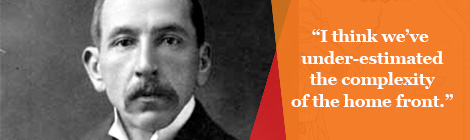
    “I think we’ve under-estimated the complexity of the home front and also under-estimated and under-reported on the abuses of executive power the government was prepared to make in order to win the war.”
    Prof Gare says there are chilling echoes of Hughes’ tactics in the last decade, with successive governments rolling out surveillance and restrictions on citizens’ rights in the name of the war on terror.

    She says a greater understanding of the past will put those moves into a greater perspective and perhaps get more people questioning them.

    Historian Deborah Gare has uncovered dramatic information that may alter our perception of Australian history. She is giving a talk at the National Trust Heritage Festival at the WA state library on May 14.

    by STEVE GRANT
    880 Parliament House 8x2

  • Nearly playtime

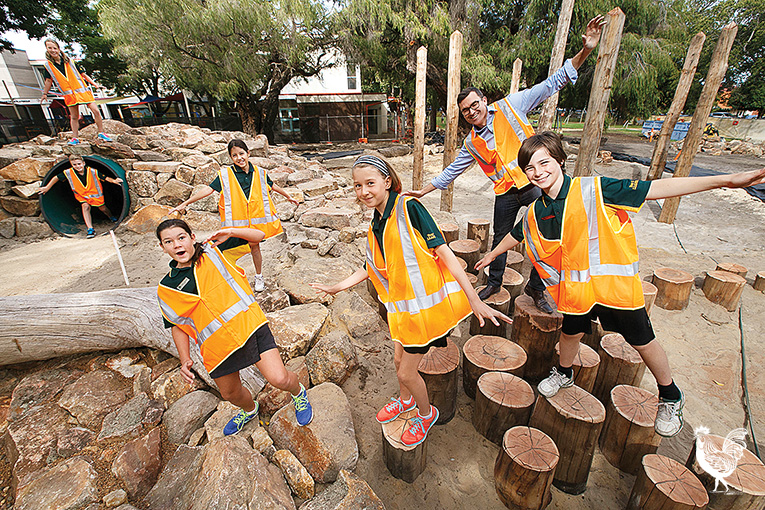
    CURIOUS little heads are poking over the fence down at Braithwaite Park with the massive half-million-dollar nature playground well under construction.

    There’s a fair chunk of play equipment aimed at the little-uns around Vincent, but this one’s being built for older kids, aged 10 to 14. The nature play ethos gets kids away from the sterile and super-safe surrounds of regular playgrounds and gets them to muck around in the dirt a bit, with research showing it improves cognitive function, creativity, and being exposed to a bit of nature even stimulates the immune system.

    08. 880NEWS
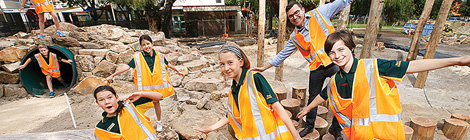
    • Mount Hawthorn primary school kids waiting for the open sign to be hung out. Josie Harch (top left), Sam Evans (in pipe), Mikayla D’Cruz (rear centre) , Molly Timcke (front left), Sarah Bramley (front centre), John Carey and Patrick Gleeson. Photo by Matthew Dwyer

    Mayor John Carey says “I think it’s one of the most exciting projects that the city has done, and in fact what the contract companies tell me is that every day kids are lining up and parents are looking through the fence watching the playground move forward.

    “For us it’s about getting kids away from their TV sets and out enjoying the outdoors, but to do that you’ve got to provide nature playgrounds that are really interesting and exciting and have that risk factor, and I think this will be the best in the city.”

    Years 6s and 7s were asked to contribute to the design, tossing in ideas for what they’d want to see, and the final thing will have a flying fox, birds-nest swing, climbing cargo net, and teepees.

    It’s due to be finished around the middle to end of May.

    by DAVID BELL

    880 Loftus Rec Centre 10x7 #2

  • bikeclips
    09. 880BIKECLIPS
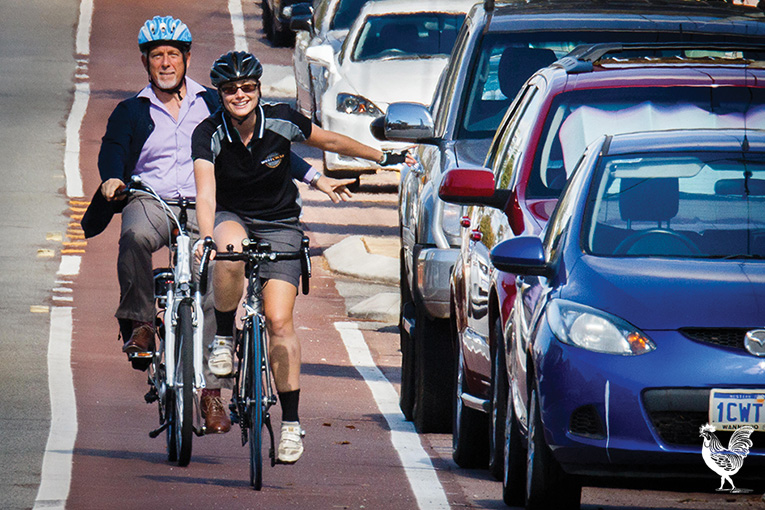
    •Westcycle coach Sarah Smith and Vincent travelsmart dude Francois Sauzier.

    CYCLISTS might soon be able to ride on the footpath under new state government legislation, but until then many newbie cyclists remain fearful of riding on the road. Westcycle and the RAC are holding adult bike skill sessions for folks who never learned the basic laws of helmets, bells and lights, road rules, or how to take off in a properly postured “power position”. There are three sessions (free for Vincent residents, $10 for aliens), May 16, 20 and 23 at the Loftus Street carpark, call 9273 6558 or email travelsmart@vincent.wa.gov.au to get on board.

    HAVING ushered in $2.5 million for bike lane work throughout Vincent, mayor John Carey’s a little concerned about the state government’s plans to let cyclists ride on footpaths. Currently only kids under 12 can do so, but the government looks likely to let adults on too. “I think it masks the real issue, which is that state and local government should invest more in dedicated bike lanes,” Mr Carey says, adding footpaths should only be ridden on “when you can’t do anything else. It’s just not the preferred option. I suspect seniors and children won’t feel safe walking down the path [with riders], where the real solution is strong investment in dedicated bike paths.”

    VOICE photographer Matthew Dwyer spotted a small hitch going on with the bike lanes along Oxford Street: drivers aren’t respecting rider space when they park their cars. He saw a couple of drivers parked out way too far, forcing cyclists to swerve into the roads. Vincent mayor John Carey says the council made the lanes much wider than industry standards required, in order to leave cyclists extra room. The council will embark on an education campaign and paint bikes on lanes for dopey drivers who can’t tell what they’re for.

    VIN001020964x109_P.pdf 880 COV 14x3

  • A tough job, but…

    RESEARCHING beer sounds like a dream job: one which, according to my wife, I undertake every evening with vigour.

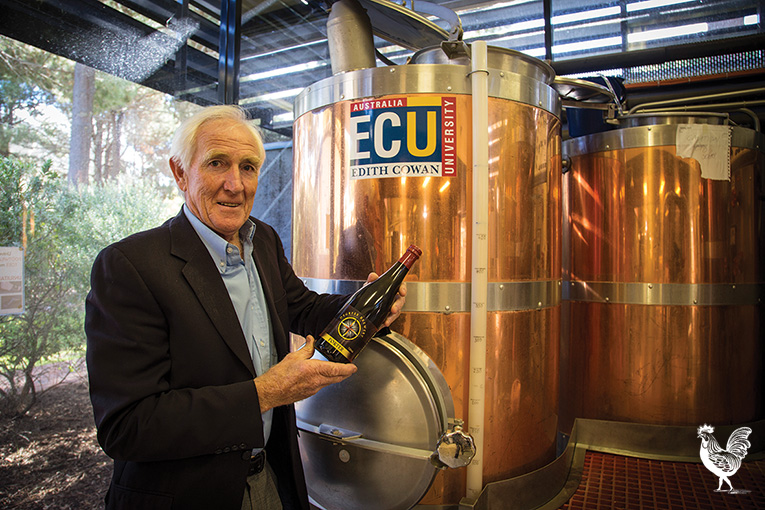
    ECU lecturer Nevil Alexander is living the dream and is taking on the heady task of researching the rise in popularity of sophisticated home-brewing.

    He says the days of men in sweaty blue singlets concocting nasty but cheap home-made piss in their wives’ laundry basins are all but gone.

    “I work as the chief steward at the Perth Royal Beer Show and over the past five years I have seen a dramatic surge in the quality and sophistication in the amateur section,” says the man who has been home-brewing more than 40 years.

    10. 880NEWS
    • Home brew guru Nevil Alexander. Photo supplied

    “We are now seeing everything from European style pilsners, to hoppy-style American beers and even the odd Belgian number. People are now spending up to $1500 on home-brewing equipment and really going for it.”

    Mr Alexander says several factors contribute to the craft’s growing popularity and sophistication.

    “People are generally becoming more educated about beer and realising that different beers taste better in certain seasons and go with certain types of food,” he says. “It has become trendy with young men and brewing has a big social element to it as well.

    “I would like beer to attain the level of sophistication and respect that wine has.

    “The research will hopefully establish why there has been an upturn in sophisticated home-brewing and how much it has grown.”

    An epiphenomenon of the home-brewing explosion has been the rise in the number of “brew-on” premises, such as Billabong in Myaree which, for a fee, provides the equipment and agrees to nurture your batch after you’ve set its wheels in motion.

    “It’s a good compromise for people who are busy and don’t have the time to commit to the full brewing cycle,” says Alexander, a former associate judge at the Australian beer awards who set up ECU’s Degrees brewery. He plans to complete his “research” by the end of the year.

    by STEPHEN POLLOCK

    880 Oxford Hotel 20x3.5

  • Permanent piazza a step closer

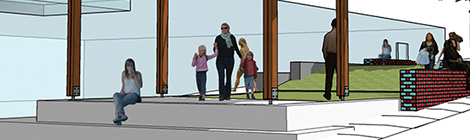
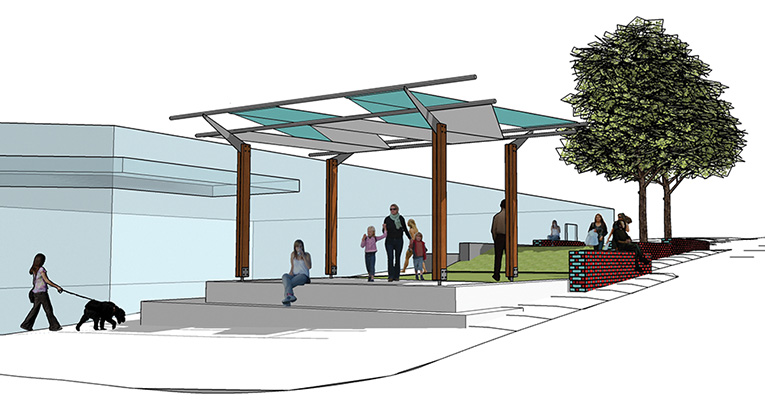
    THE Mary Street Piazza plan is full steam ahead, with Vincent council choosing a final plan for the open relaxation area on the Beaufort Street strip.

    Dean Cracknell from the Beaufort Street Network said it was just what the area needed: the place has plenty of good bars, restaurants and shops, but scant few public places to meet and relax.

    11. 880NEWS
    • A concept for the Mary Street Piazza.

    During a trial mock-up in the space last year it was wildly popular, with 302 people putting in their thoughts and 87 per cent giving it the thumbs up.

    Ex-councillor Dudley Maier, who came up with the idea when he was on council, said the council should do another round of consultation to see if the public likes the final design (as it did with the Newcastle Street piazza) instead of just steamrolling ahead with what councillors like. He said good new ideas could come out of it.

    But Mayor John Carey said all that would achieve is the same old argument about car spaces versus people spaces, and that debate had already been had.

    by DAVID BELL

    880 Match M24 15x7

  • Pop down to pop up garden

    INGLEWOOD ON BEAUFORT is continuing its funky makeover of the suburb by installing a pop-up garden.

    Hot off the back of running the inaugural Inglewood night markets, community group IOB is now turning its attentions to a community garden in the area.

    It will start with a more humble pop-up garden—basically a shipping crate filled with herbs and a lemon or olive tree—on the corner of Tenth Avenue and Beaufort Street.

    “The crate will packed with basil, chives, parsley, oregano, mint, sage, thyme and Rosemary,” says IOB member Alex Frankcombe.

    “Locals will be responsible for looking after it and watering it.

    “We are looking for some folk to come down on Saturday and help us plant.”

    12. 880NEWS

    Mr Frankcombe hopes the pop-up garden stimulates interest in a full-blown community garden.

    IOB is currently looking at sites beside Inglewood Library, and on Normanby Road and near Macauley Park on Hamer Parade.

    It has applied for $30,000 in funding with Stirling city council and the WA communities department.

    “We started looking at sites last year, but the search was derailed when we found out we couldn’t put a garden on land belonging to a council sport organisation,” Mr Frankcombe says.

    “So now we are having another look around and trying to get locals enthused about the idea again.”

    A North Perth community garden established in 2013 has been a rip-roaring success: it has around 55 families as members and includes a worm farm, frog pond, water-harvesting tank, reticulation and fruit and vegetables.

    Members can lease their own 3.5sqm plot or share a bigger plot with others.

    Mr Frankcombe hopes to open the Inglewood community garden next spring.

    by STEPHEN POLLOCK

    BR_Donna_Voice_AD 880 Mr Munchies Sushi 9x2.3

  • New bridge opens

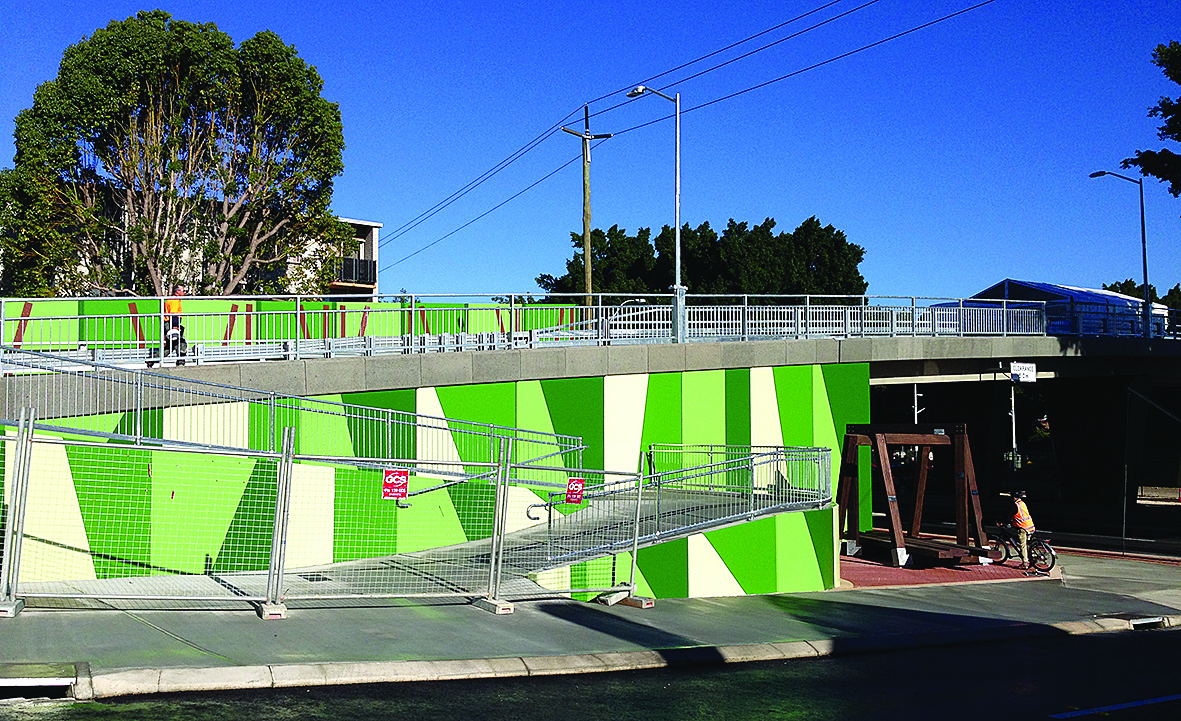
    THE new $9.3 million Seventh Avenue bridge opened this week.

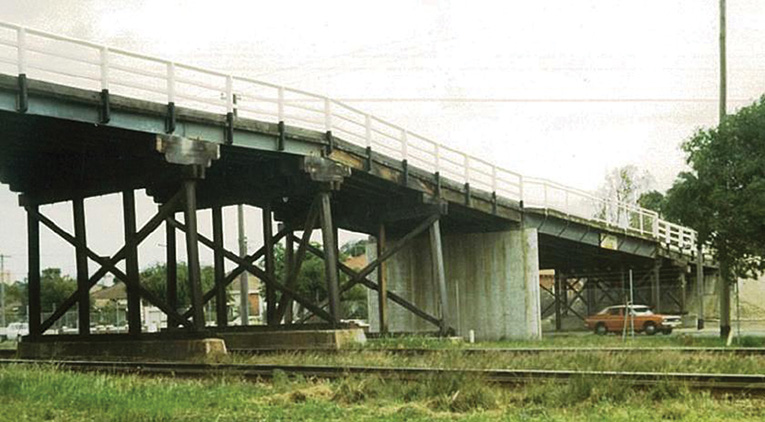
    It replaces the rickety 1913 timber bridge, which had an eight-tonne limit and carried around 3500 vehicles a day.

    The new bridge spans more than 80 metres and include footpaths, accommodation for four rail lines, bridge guard rails and increased capacity. The old eight-tonne load limit will not apply.

    13. 880NEWS 2
    • The new upgraded version. Photos supplied

    It also includes a public artwork by Jahne Rees, made from timbers from the old bridge.

    “This artwork recognises the bridge’s heritage significance and honours the role it has played in moving vehicles and people across the rail line for almost a century,” WA transport minister Dean Nalder says. “The old bridge served us well for more than 100 years.”

    Mr Nalder says the new bridge was built on-budget and slightly ahead of schedule.

    13. 880NEWS 1
    •The original 1913 wooden Seventh Avenue bridge

    In April Bayswater city council rejected a 367-signature petition from locals concerned about increased traffic and wanting Seventh Avenue made into a dead end.

    The council instead voted to look at installing traffic-calming measures and parking an illuminated trailer that tells drivers how fast they’re going.

    Work is due to start on the Third Avenue bridge by the end of 2016, with demolition and construction expected to take eight months.

    It is the first phase of a $22m project to replace bridges in the area.

    by STEPHEN POLLOCK

    GT15038 BAY003000315_A1_Poster.pdf

  • LETTERS 9.5.15

    14. 880LETTERSA win for that dem thing
    IT’S called democracy! Democracy is engaging with people, as the City of Canning is now doing with regard to ward boundaries, representatives, councillors and other issues affecting the residents.
    Unlike the undemocratic forced amalgamation shambles promoted by the Barnett government, which finally surrendered to common sense after an expensive and fierce opposition by concerned residents.
    Thank you to every person in all the councils who attended meetings, wrote letters, signed petitions and spoke against undemocratic amalgamations.
    William Booth
    Queen St, Bentley

    Labor’s NBN fantasy tale
    I SOMETIMES find it amusing to read claims from Labor party representatives about Australia having been on the cusp of a broadband revolution in September, 2013.
    From the way those such as the Member for Perth Alannah MacTiernan tell the story, every household in WA was about to be connected to superfast broadband and then—whoosh!—power was cruelly snatched from Labor’s hands.
    The facts, however, present a much different picture.
    And as disappointing as Ms MacTiernan may find it, the political slate was not magically wiped clean on the day she was elected as the Member for Perth. Indeed, if Ms MacTiernan is looking for answers, she should start by interrogating Labor colleagues like former communications minister Stephen Conroy, who was so underwhelming in his job that by the time of the last election, there were just 34 houses in Perth connected to Labor’s fibre-to-the-premises (FTTP) network in established neighbourhoods. In WA in total, just 75 houses were connected.
    This was the sum total of Labor’s efforts in WA, four-and-a-half years after the first Rudd government announced the full details of its NBN plan in April 2009. The situation was so dire and Labor’s management of the project so appalling the contractor responsible for the NBN rollout in WA, Syntheo, pulled out of the project under Labor’s watch.
    This meant there were 47 sites around WA listed on maps—which Labor used as a campaign tool—as being “under construction” when in fact there was no contractor in place, let alone any construction work occurring.
    While Labor figures are busy indulging their fantasies about the NBN they couldn’t actually deliver, the Coalition government has been getting on with actual delivery.
    In the first 18 months following the Coalition government’s election, 14,116 premises have been connected to the fibre network throughout WA in built-up suburbs, and an additional 10,351 premises signed up in new estates.
    In other words, the Abbott government has done vastly more to get the NBN rollout on track in WA in its first 18 months than Labor did in four-and-a-half years of the NBN project. Furthermore, claims about FTTP being the only way to unleash the NBN’s full benefits were demonstrably false.
    The present government modelled the economic costs and benefits of numerous broadband technologies and found the relative benefits of FTTP were low because of the high cost and long time-frame in deploying it. Furthermore, an independent cost-benefit analysis—which Labor pointedly refused to undertake—found that the Coalition’s multi-technology mix NBN model will deliver $18 billion in economic benefits, compared to only $2 billion under Labor’s model.
    The former Labor government’s plethora of political problems and its ultimate defeat came about, in large part, because it continually over-promised and under-delivered, seeming to care more about grabbing headlines than actually delivering for local residents.
    Although Ms MacTiernan was not in federal parliament for the disaster of the Rudd-Gillard-Rudd years, her claims and flagrant disregard for the facts regarding the NBN in Perth suggest she is yet to learn the lessons of those calamitous years. The suburbs within the Perth electorate about which Ms MacTiernan has made recent comment are actually included on the rollout schedule.
    The difference is that unlike Labor, this government only declares a site is “under construction” when the contracts are actually signed, and the project can actually be delivered.
    That is what transparency is all about—not pie-in-the-sky promises that can’t ever be delivered.
    Dean Smith
    Liberal Senator for WA

    Apeing beliefs
    IT is now known that human beings are indisputably evolved from a common ancestor with apes. Science has proved beyond doubt it’s a fact.
    Thank goodness we live in a democratic society, where we can debate with intellect. Not like these religion-owned societies which are constantly hostile to anyone who doesn’t believe in their particular beliefs.
    Darryl Kype
    Menora Village
    The Ed says: “Our Father, which art in heaven…thy will be done.” This pledge of religious servility launches Australia’s parliament each session, where the evolved apes we vote in clearly aren’t overly enamoured with science as it relates to climate change; nor in introducing marriage equality as desired by the overwhelming majority of voters.

    Job going
    SEEMS likely the UK’s frenzied election will herald a new era of democracy.
    This with minority voices giving politicians in general—to quote a Tory rebel, Zach Goldsmith—“a kick up the pants.” Urgently needed, someone to 2-up Colin Barnett’s pants.
    Charlie Benskin
    Jacob’s Ladder, Kings Park

    880 Irving & Keenan 15x7

  • REALESTATE 88

    ADVERTISEMENT: See the latest properties for sale from Realestate 88 below.

    880 RE88 back page 40x7