
• Historic lunch 

    “THE roof looks like a giant evaporative air-conditioner!”

    That was my initial reaction as I walked towards the new WA Museum Boola Bardip at the Perth Cultural Centre.

    I was probably being a bit harsh, and the architecture began to grow on me as we walked up the huge limestone concourse towards the entrance.

    My wife and I were going for lunch at the new museum cafe Epoch – a minimalist affair with jet-black tables, natural stonework and muted tones.

    It wouldn’t look out of place in a Bauhaus exhibition at PICA, but I liked the understatement and lack of pretension.

    The cafe was pumping on Wednesday lunchtime with a longish queue of people waiting to order at the counter.

    There was a “Grab and Go” display cabinet with sausage rolls, pies, filled rolls, quiche and tarts, as well as a menu with a nice range of light summer dishes.

    For those wanting something more substantial there was also meals like grass-fed beef burger and chips, and blue swimmer crab and saffron linguine.

    Epoch was so busy we struggled to secure a table inside, but after a bit of exploration we found a spot in the alfresco courtyard.

    It was a lovely shaded enclave with views of the stunning golden staircase contrasting with the heritage buildings outside.

    It wasn’t long before the waitress arrived with my grilled shio koji chicken salad ($26), which was beautifully presented on a handmade plate.

    The star of the dish was the tangerine vinaigrette; adding a lovely citrus burst to the thick slices of tender chargrilled chicken.

    The quinoa and assorted seeds added some texture, with the avocado and charred green onions keeping things nice and moist.

    Usually if I get a chicken salad, I often ask “Where’s the chicken?”, but in this case I wanted to know who absconded with the salad. 

    There was a distinct lack of greens on the plate and I felt the dish needed more leaves and less protein. It was a delicious fragrant dish, but for $26 I wanted a couple more ingredients to make it well-rounded and filling. 

    Across the table my wife was nibbling her beautifully presented tomato tart ($18).

    “It’s a nice summer dish with a tasty chickpea filling and light pastry shell,” she said.

    “The goat’s curd is a lovely salty diversion and complements the juicy tomatoes and olive oil dressing. My only complaint – for $18 it’s not big enough.”

    The cafe sells tea and coffee and is licensed with a small range of wines and beers, but we were happy with some spring water ($3) and Capi grapefruit juice ($4) from the fridge.

    The service was good with the waitress asking if our food was okay and if we wanted some water, so brownie points on that front.

    Epoch’s food was high quality and well presented, but I felt the price was a bit high for the portions we got. 

    The setting is lovely and it’s a pleasant pitstop after looking at fossils for hours on end.

    Ooga booga.

    Epoch Cafe
    WA Museum Boola Bardip Perth Cultural Centre

    Open seven days

    by STEPHEN POLLOCK

  • Brilliant Boola
    The Tjanpi Desert Weavers by Annieka Skinner, map of the Canning Stock Route, and a section of the route in 2007 by Tim Acker/FORM.

     TWO special exhibitions showcasing Aboriginal culture are some of the highlights at the new WA Museum Boola Bardip.

    The award-winning Songlines: Tracking the Seven Sisters is the culmination of more than five years of collaboration between Aboriginal communities and the National Museum of Australia.

    It has the world’s highest resolution six-metre-wide travelling dome, where visitors are immersed in images of Seven Sisters rock art from the remote Cave Hill site in South Australia, as well as animated artworks and the transit of the Orion constellation and the Pleiades star cluster. 

    Highly immersive and experiential, visitors journey along the ancestral routes of the Seven Sisters as they flee across deserts, pursued relentlessly by a lusty sorcerer known as Nyiru or Yurla. 

    It’s an epic tale of tragedy and comedy, obsession and trickery, desire and loss, solidarity and sorrow — a universal drama played out in the night sky by Orion and the Pleiades, with a terrestrial creation story where the land has a starring role. 

    The project leading to this exhibition was initiated by Aboriginal elders who wanted to preserve the Seven Sisters stories for future generations and custodians, while promoting a broader understanding of songlines.

    Songlines: Tracking the Seven Sisters features significant Western Australian stories, so it is fitting that WA Museum Boola Bardip is the first venue to present the exhibition outside Canberra, before it embarks on a global tour. 

    Yiwarra Kuju: The Canning Stock Route is about the expansion of the WA mining and pastoral industries in 1906, which led to the surveying of a 1850km cattle track from Kimberley stations to markets in the south.

    This track, and the wells that were created along its length, became known as the Canning Stock Route.

    Similar stock routes were established across Aboriginal lands throughout Australia.

    The artworks in the exhibition depict the story, disruption, and diabolical impact of one such track, told from the perspectives of diverse Aboriginal peoples whose country it crossed.

    It is a story of contact with kartiya (white people), of conflict and survival, of exodus and return. Above all, it is a story of family, culture, country and resilience.

    Yiwarra Kuju means ‘one road’ in Mandiljarra, a shared language used by the 10 Aboriginal language groups who participated in the making of the exhibition. Songlines closes on April 26 and Yiwarra Kuju in November next year. 

  • Club house 

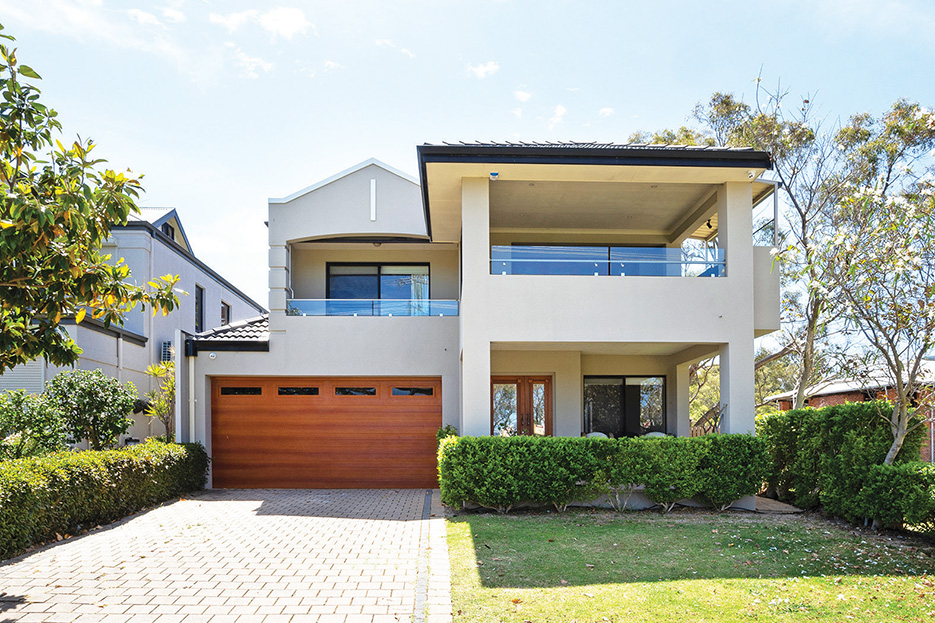
    IF you’re into golf then this could be your dream home.

    It’s situated opposite the Peninsula Golf Course in Maylands, with relaxing views of the fairways and glimpses of the city in the distance.

    But there’s far more to this three bedroom, two bathroom home than birdies and hole-in-ones, it’s a lovely two-storey abode with loads of space and natural light.

    On the ground floor is a relaxing open plan dining/living area with rich wooden floors and high ceilings.

    Down the back is a large kitchen with loads of bench space and cupboards, and a breakfast bar with room for three bar stools.

    There’s also a massive laundry on the ground floor with masses of white cupboards, and a washing machine and tumble dryer.

    Your plus fours will never be dirty in this house!

    I really like the main bedroom upstairs, which has a warm colour scheme, a walk-in robe and a balcony with lovely views of the city. 

    I could imagine sitting out here with a nice glass of vino at sunset, watching the city lights and golfers shanking shots into the rough.

    The two others bedrooms have built-in robes and share a renovated family bathroom.

    Conveniently, there’s a private study/office up here, and another large living area.

    One of the highlights of the house is a spacious balcony that has great views and lots of rooms for entertaining.

    There’s a low-maintenance garden out the back, and a cute little courtyard off to the side with a sheltered alfresco.

    The house includes loads of storage and a double garage with a shopper’s entry.

    Situated on Swan Bank Road, this home is near Maylands primary school, Noggo’s cafe and the Eighth Avenue cafe strip.

    This is a stylish family home in a great suburb close to the city.

    So go grab your clubs and get driving.

    18 Swan Bank Road, Maylands
    From $899,000
    ACTON Mt Lawley 9272 2488
    Agent Paul Owen 0411 601 420

  • Homeless at the big house
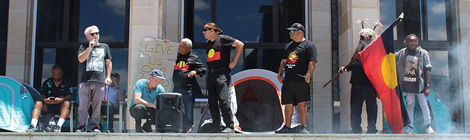
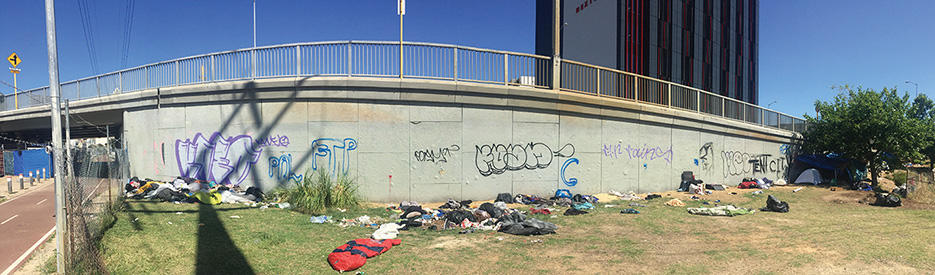
    Residents of Tent City and their allies take their protest to the steps of Parliament. Photo by Kelly Warden.

    SETTING up tents under the noses of WA’s leaders, 30 of Perth’s homeless residents and allies brought the issue of poverty to the doorsteps of Parliament on Wednesday.

    Indigenous outcry and political promises made by the newly appointed Opposition leader Zac Kirkup saturated the steps, as rough sleepers from East Perth’s ‘Tent City’ appealed for their human right to shelter. 

    “I promise you there is nobody more passionate about making sure we look after people who find themselves without a home, than the Liberal Party,” Mr Kirkup said. 

    “We will make sure in 108 days’ time, that we provide policies that look after each and every West Australian equally and recognise the disadvantage that you have.”

    Socialist Alliance member Petrina Harvey, who joined the protestors, noted Mr Kirkup’s promise came with little detail, but praised him for addressing the crowd.

    “I’ve been coming down to Parliament House in solidarity with Noongar people for years; it’s almost like every weekend sometimes we’re out here rallying… and this is the first time I have ever seen anybody from the Liberal party come down and express any sense of care.”

    Meanwhile premier Mark McGowan and his communities department came under fire for  a “woefully inadequate” effort on  social housing over the last four years.

    “What we have seen is a reduction in the amount of social housing,” north metropolitan Greens MLC Alison Xamon said. 

    In June 2017 there were 44,087 social and community houses available, but it has dropped to 42,953 this year while 15,000 people still languish on the waiting list.

    Fraud

    Ms Xamon said despite the huge numbers on the list, the McGowan government was only promising to increase its social housing stock by about 2,500 in the next decade. Ms Xamon said the multi-million fraud committed by former department assistant director general Paul Whyte had been money slated for families in need. 

    Demonstrators such as Daniel Garlett said while politicians talked, life on the street got tougher.

    “They always come out this time of the year,” Mr Garlett said.

     “I was born and raised on the streets …there’s been no changes, it’s actually got a lot worser,”  the 46-year-old said.

    He compared the government’s attempts at ending homelessness to fixing a bitumen road. 

    “They’ll fix the surface, but they won’t fix the problem that lies underneath,” he said. 

    “The underlying issues really need to be faced and met, and we need to hold governments accountable”.

    Tent City resident Raymond spoke about the impact on Indigenous people as a result of their over-representation in WA’s prisons.

    Criminal records

    I got a criminal record before I even knew what a criminal was,” the 47-year-old said. 

    “It’s a hard life to live like that when you’re a child; you’re a criminal before you even get a chance to get a license or anything, so how do you get a job, let alone a house?” 

    In Australia, children can be convicted from the age of 10, and according to the Raise the Age Campaign, close to 600 children aged 10 to 13 were locked up in one year.

    “Aboriginal and Torres Strait Islander children are disproportionately impacted, accounting for 70 per cent of these younger children as a result of differential treatment and the criminalisation of disadvantage,” a campaign report noted.

    Domestic violence is a leading cause of homelessness for women in Australia, and once on the streets their safety is further compromised. 

    One of the demonstrators, Felicia, said she’d been on the streets for 23 years and had been a victim of domestic violence “for a whole two years”.  

    “I’m five month’s pregnant,” she said. 

    “I’m trying to change my life for me and my family… all we just need is more support”.

  • Bin ban ‘lacks decency’
    Perth council has refused to give Tent City residents a skip for their rubbish.

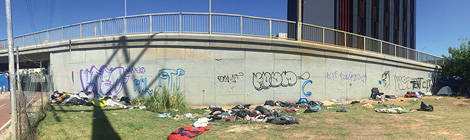
    PERTH council has refused to provide bins for homeless people living in Tent City, forcing them to live amongst mounds of rotting rubbish.

    Tent City resident Raymond said the council’s repeated knockback to requests for a skip bin lacked “basic human decency”.

    “The people here want to live somewhere that is clean and healthy,” he said. 

    “They’re doing what they can but there’s nowhere for the rubbish to go”. 

    Raymond says the city’s hardline stance was in contrast to it’s April decision to send in rubbish removal to clean up the camp – during the height of the Covid-19 lockdown.

    “They’ve removed rubbish from that spot at the end of Aberdeen Street before,” he said. 

    “It’s not too much to ask; it would improve their sense of themselves and their wellbeing if we could get rid of this rubbish”. 

    The bin ban comes after the council ordered the Salvation Army to stop mobile food deliveries to Tent City, saying they had no approval.

    Earlier this month the council approved a $575,000 refit to 160 Hay Street, East Perth as a Safe Night Space for women. 

    by KELLY WARDEN

  • Get a quick hit out of high art

    IF beach sand in your socks, sunburn and yelling kids isn’t your idea of a great gallery experience, it might be time to ditch Cottesloe’s seaside spectacle and try out some new public art in The Pickle District.

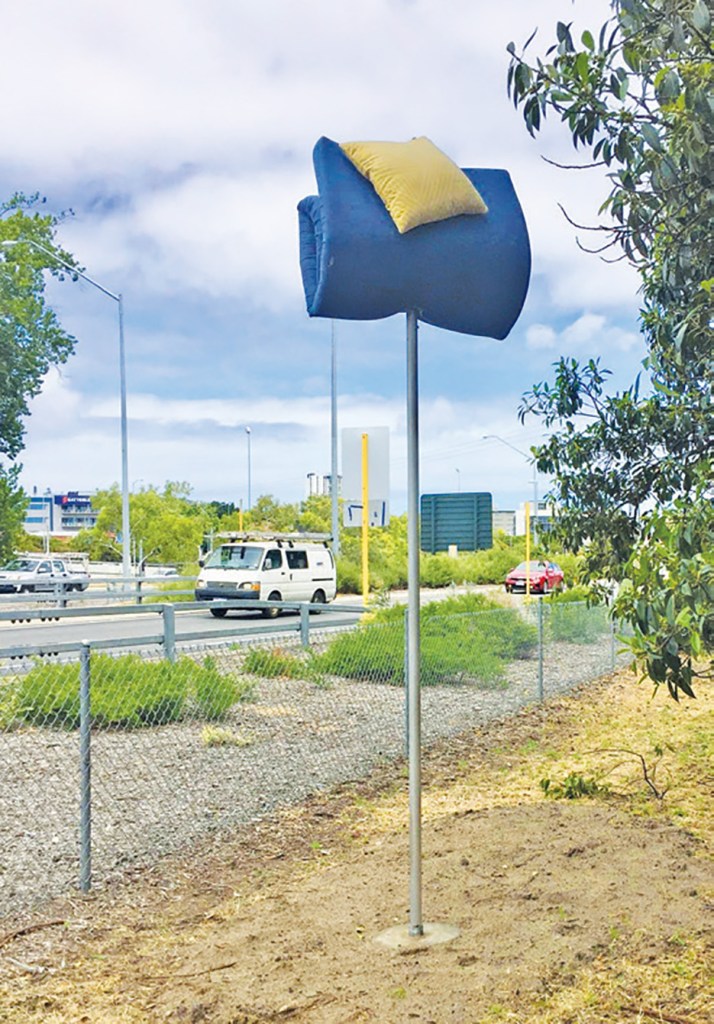
    Viewers won’t even have to leave the air-conditioned comfort of their cars to see the latest exhibition by 12 artists from Voxlab and The Pickle District art collective; though in a twist on the old slogan “get in quick”, Sculptures by the Freeway is best seen while nipping into the Northbridge tunnel.

    The idea for the poletop sculptures was hatched in Voxlab, a creative hub on Old Aberdeen Place founded by established metal sculptor Jon Denaro and his artist partner Bec Juniper, and managed by Linton & Kay Galleries director Linton Partington.

    • Paul Caporn’s A Hard Night’s Sleep “points to the rising problem of homelessness in WA”. Caporn has donated 60 per cent of his fee to St Vinnie’s Tom Fisher House on Beaufort Street.

    Contributing sculptor Andrew Thornton Hick’s piece pays homage to mining.

    “Mining has fuelled WA’s economy and industry for the last century,” Hick says.

    “This work is about how the land gives and the land takes; it pays homage to life cycles, and the indigenous six seasons of revolution through its folds in construction.”

    “It is a unique poly-tessellation form that makes a circular gateway to a new precinct on the edge of the freeway.”

    Artwalk

    The exhibition has been supported by the City of Vincent after scoring funding through its Arts Advisory Group, which assessed it as “contributing toward the long-term goal of an urban artwalk spanning from The Pickle District into central Leederville”.

    The Pickle District is an emerging arts precinct nestled between the city, Leederville and Northbridge. Formerly a light industrial area, it takes its name from Tandy’s Preserves and Pickle Factory which once operated in the area.

    In 2018 as the number of artistic organisations moving in started to grow, the local Town Team helped create the non-profit organisation West End Arts Precinct, which was rebranded The Pickle District a year later.

  • Govt slammed for ‘tin pot’ response

    VICTORIA’S $5.3 billion social housing package has exposed the McGowan government’s 10-year strategy as the work of a third world “backwater” says a WA-based homeless advocacy group.

    House the Homeless says just 260 new homes will be built for low-income families in WA over the next decade – less than half what the Andrews government will build in Victoria next year alone.

    Calling it a missed opportunity, HtH says the McGowan government should prioritise housing the 15,000 families who are currently on Homeswest’s waiting list.

    “Spot purchasing provides immediate safety and relief for families in crisis,” HtH spokesperson Betsy Buchanan said.

    “Under previous governments this practice was widespread, and we need to see a return to the practice of purchasing properties off the open market.

    “This not only provides a release on the overstretched private rental market, it also creates a financial asset for the government at a time of historically low property prices, particularly in regional and rural areas.”

    Dr Buchanan said the Gallop and Carpenter governments had previously provided housing to support families of child sex abuse victims, which needed to be reintroduced.

    National Suicide Prevention and Trauma Recovery Project director Megan Krakouer said Victoria’s model would mostly benefit the women and children who make up most of waiting lists.

    “However, when we compare Victoria’s response to Western Australia, our government remains the backwater of this nation – doing next to nothing for our most vulnerable.

    “The humble gesture by the Victorians has made the WA government look like a tin pot, mean spirited, morally corrupt third world nation.”

  • Building memories
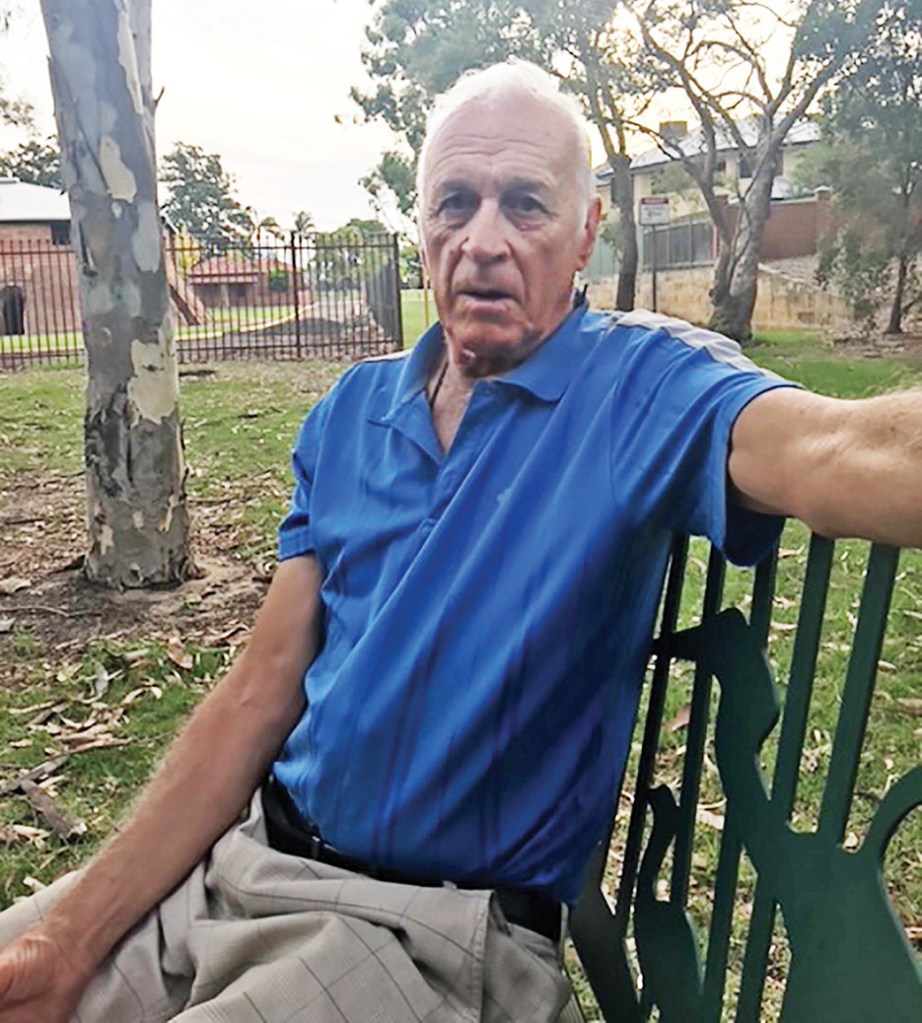
    David Weatherhead. Photo courtesy Kathryn Lance, Friends of Maylands Brickworks.

    IN the lead up to the Maylands Brickworks open day, former worker David Weatherhead made a surprise visit to the heritage site to rekindle some old memories.

    “I worked there a couple of times, first in 1963 and later on it would have been about 1980,” Mr Weatherhead, now 84, recalls.

    “It was a job,” he says, and one he was thankful to have as “the employment situation wasn’t good” back then.

    It could be dangerous work at times, though more so in the early years. There were a couple of fires in 1948 and 1952, some injured workers over the years, while local children would sometimes wander into the site to play and get burned by hot ashes or suffer mishaps playing with the brick-moving rail trucks.

    In 1938, worker Alexander Humble died in a sand collapse. It was notoriously dangerous work and smaller landslides had happened before; Humble himself had been partly buried twice in recent months.

    On the day he died he remarked about the danger, with papers of the day saying he told his workmate “if I get buried, don’t bother about digging me out. Just place two shovels in the form of a cross on the sand, and write on them ‘Killed in Action’ or Died Doing His Duty’.”

    His premonition came true moments later and he was buried in 150 tons of sand. Frantic digging by 50 men couldn’t save him in time. 

    Mr Weatherhead, who now lives in Midvale, says there were still some workplace dangers decades later: “The most dangerous thing … the clay came up to the machine on a little railway line from a clay pit. They bring it up a railway line in these little trucks, and one of these trucks got derailed and we had to get it up on the rails. 

    Slippery

    “You’re up there on these slippery rails and down about 20 feet below you there’s old wreckage, old machinery there, if you slipped and went down on top of that stuff you’d be in a lot of trouble.”

    There were a lot of characters on site – some jokers, some irascible. 

    “It was a mixture. I remember a bloke named Jimmy MacLennan, he could fight, he was a tough character. He had red hair, a big mop of red hair. And Phil Simpson who was a drawer – he drew the bricks out of the kiln after they’d been burnt – Phil Simpson addressed Jimmy as ‘Strawb’, a reference to his red hair.

    “Jimmy left his face looking like it’d been through a mincer. So that quietened Phil down after that.”

    The plant closed at the end of 1982, and there’s “probably a handful of blokes” still around, he says.

    “It’s a few years ago now. Most of the blokes that I knew are no longer with us.”

    During his recent visit he bumped into the Friends of Maylands’ Brickworks member Kathryn Lance.

    “I just walked around the outside fence, just to have a bit of a gander at the old joint, and everything had completely changed. Where the old claypits used to be there’s a big lake, it’s all water now.”

    Looking around the old buildings he says “it’s all neat and tidy. Not like when I was there”.

    The Friends of Maylands Brickworks are holding an open day on December 13 from 1-4pm, and are hoping to hear from former workers, their families, or anyone with a connection to the historic site. Get in touch via their “Friends of Maylands Brickworks” Facebook page or call 0439 491 585.

    By DAVID BELL

  • Path fix earns caution

    VINCENT council has been issued a caution after carrying out unauthorised works at an Aboriginal heritage site near Banks Reserve.

    A Department of Planning, Lands and Heritage investigation found “legislative non-compliance” in path repairs carried out near Windan Bridge, which is named for one of Yellagonga’s wives.

    The DPLH tells us the works occurred within an Aboriginal heritage site requiring approval, but “an application for the section 18 consent was not made prior to starting the works”. 

    Breaching the Aboriginal Heritage Act carries a penalty of $50,000 if it’s deemed someone has excavated, destroyed, damaged, concealed, or altered an Aboriginal site, but in this case the department just issued a caution. 

    Being on the Swan River foreshore, the works also required approval from the Department of Biodiversity, Conservation and Attractions, and Vincent did remember to lodge that application. 

    Council CEO David MacLennan says “the City of Vincent has a deep and longstanding commitment to respecting Aboriginal culture and heritage.

    “In this instance, the city undertook urgent path works (the removal of an existing damaged path and the construction of a new path) adjacent to the Windan Bridge in East Perth.”

    He says “the City has scheduled staff training to raise awareness of the approvals process required under the Aboriginal Heritage Act 1972 and a process will be implemented to ensure any required s18 approvals are obtained before works start on Aboriginal Sites”.

    By DAVID BELL

  • The Rev’s a real star
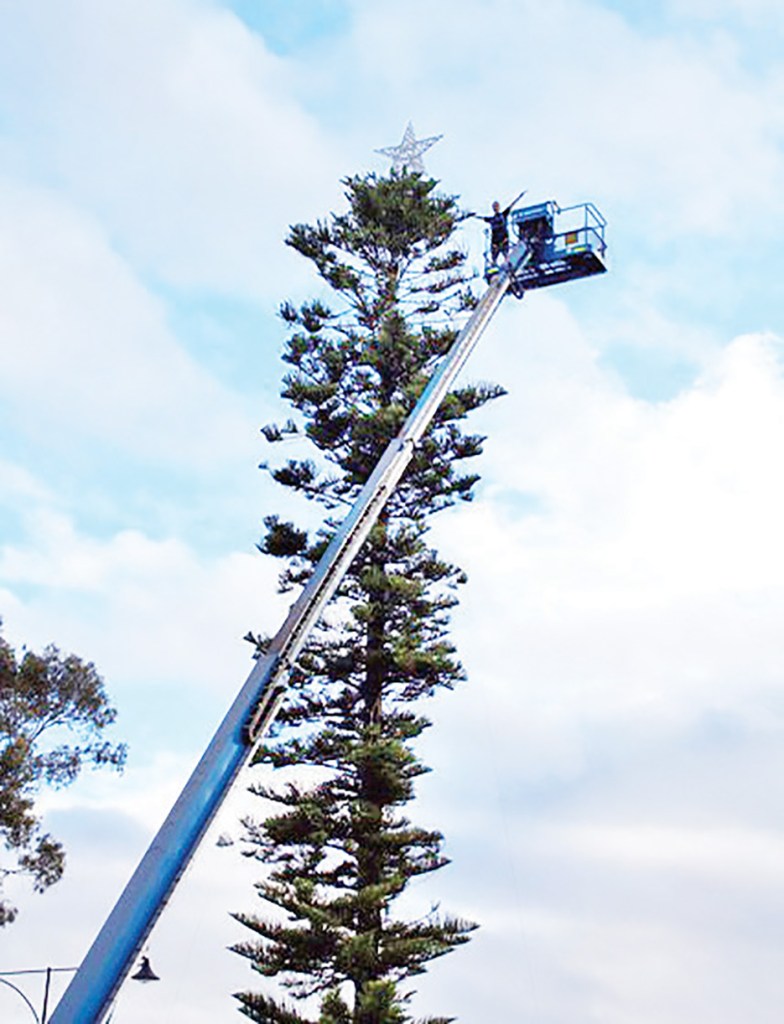
    Fr Stephen Conway adds the star to Mt Lawley’s Christmas tree.

    BEAUFORT STREET now has its own Christmas tree with star.

    In preparation for the Christmas Festival in Beaufort Street tomorrow (Sunday November 29) Anglican rector Stephen Conway recently braved some rough weather to ride a crane to the top of the massive pine tree in front of St Patrick’s in Mt Lawley.

    Fr Conway wrapped the tree in Christmas lights and placed the giant star at the top of the tree.

    “Considering the weather forecast,” he said to his congregation the previous day, “you might well read in the Voice next week: ‘No angel: Priest hit by lightning!’.”

    Rumour has it St Patrick’s could be the highest Christmas tree in the southern hemisphere.